DbcultAccessing Vault...
Cult Review
Senior Film Conservator
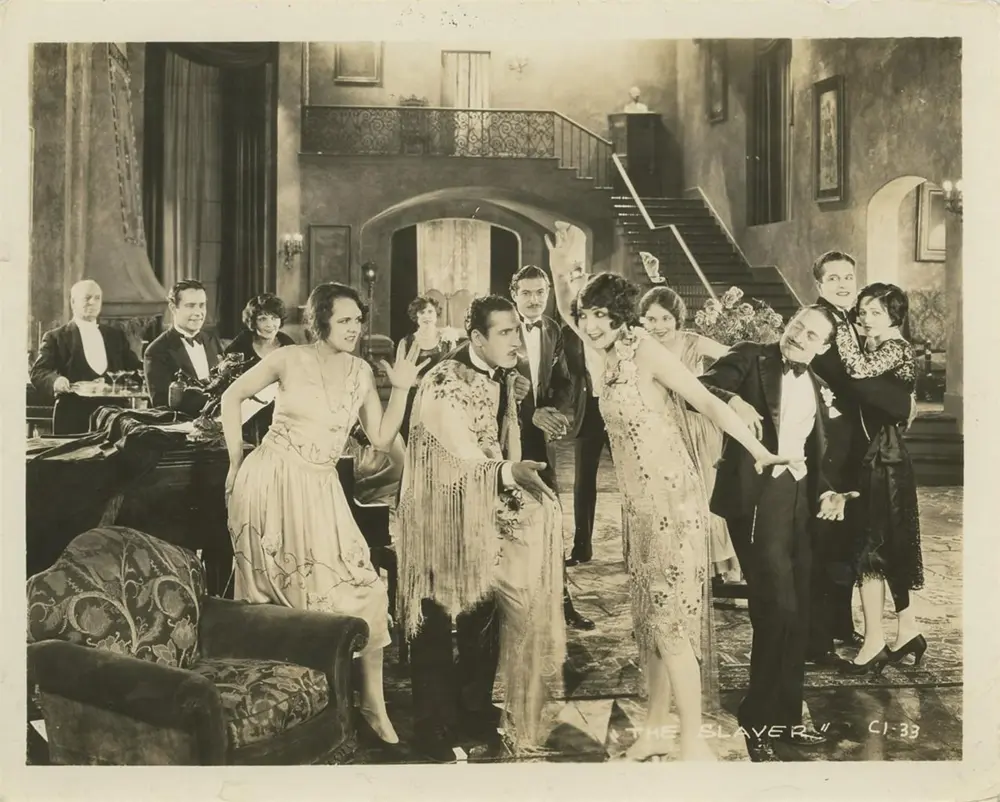
Is The Slaver worth watching today? Short answer: only if you are a dedicated historian of silent cinema or a fan of early adventure pulp. This film is for viewers who appreciate the raw, unpolished mechanics of 1920s storytelling. It is emphatically NOT for those who require fast pacing, modern sensibilities, or high-definition visual fidelity.
The Slaver is a difficult recommendation for the casual viewer. It is a slow-burn maritime drama that relies heavily on the tropes of its era. If you are looking for a masterpiece of the silent age, this isn't it. However, if you want to see a specific snapshot of how adventure stories were told before the arrival of sound, it offers some value. It is a film of its time, for better and mostly for worse.
At the heart of the film is a transaction that would be considered abhorrent by any modern standard. The captain, played with a sneering intensity by John Miljan, is the personification of maritime corruption. He isn't just a bad leader; he is a predator. His decision to sell a captive woman is treated with a chilling matter-of-factness that defines the film's tone.
This film works because John Miljan delivers a performance that anchors the stakes, making the threat feel genuine even when the production values falter. This film fails because the central protagonist, the cabin boy, is written with such naive simplicity that it often undermines the tension of the plot. You should watch it if you are interested in the works of James Oliver Curwood and how his rugged outdoor stories were adapted for the screen.
The plot of The Slaver is straightforward, almost to a fault. There are no subplots to distract from the central mission: the cabin boy must stop the captain. This linear approach keeps the focus tight, but it also makes the film feel longer than its runtime. In an era where films like South Sea Love were exploring similar exotic themes with more flourish, The Slaver feels somewhat stagnant.
The writing by Mabel Z. Carroll attempts to inject some moral weight into the proceedings, but the dialogue (via title cards) often leans too heavily on melodrama. For example, when the cabin boy first discovers the captain's plan, the title cards use exclamation points with a frequency that feels desperate. It’s an attempt to manufacture urgency that the direction doesn't always support.
John Miljan is the standout here. While many silent actors relied on wild gesticulations, Miljan uses his eyes to convey a sense of calculating malice. In the scene where he counts the gold offered by the chief, his movements are slow and deliberate. He makes the audience believe that he values those coins more than any human life on his ship. It’s a masterclass in silent-era villainy.
Philip Sleeman, as the cabin boy, has a harder task. He has to play the 'moral compass' in a world that is fundamentally broken. Unfortunately, Sleeman often falls into the trap of over-acting. His expressions of shock and horror are frequently too big for the frame. It contrasts sharply with Miljan’s more grounded approach. It works. But it’s flawed.
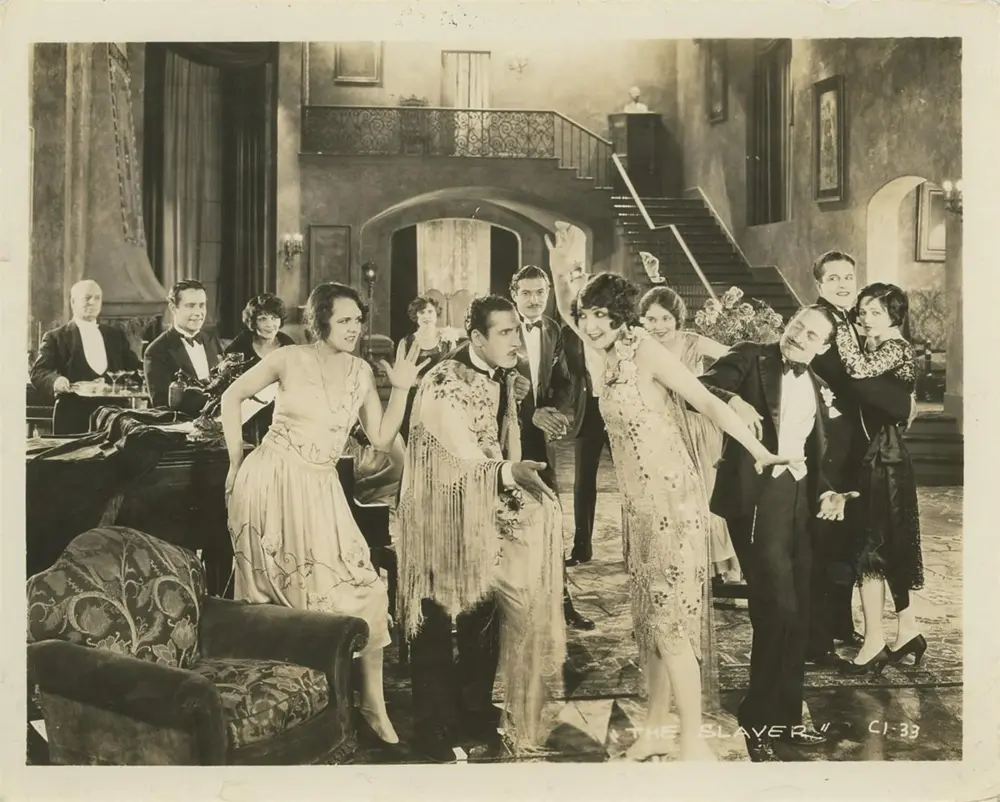
Carmelita Geraghty is unfortunately given very little to do other than look terrified. As the captive woman, she is the object of the plot rather than a participant in it. This was common for the time, seen in other films like Dark Secrets, but it remains a frustrating element for a modern audience. Her performance is functional, but she is never allowed to be more than a damsel in distress.
Director J.P. McGowan was known for his work in action serials, and that sensibility is present in The Slaver. He knows how to stage a confrontation. The scenes on the ship’s deck feel cramped and claustrophobic, which heightens the sense of danger. However, the 'African coast' locations—likely filmed on a California beach—lack any real sense of place. There is no atmosphere of the 'exotic' or the 'unknown' that the script clearly wants to evoke.
The cinematography is stark. There is a heavy use of high-contrast lighting, especially during the nighttime scenes on the boat. This creates some visually interesting moments, such as the silhouette of the cabin boy moving through the shadows to reach the captive's quarters. It’s effective, but it doesn't compare to the more experimental work found in films like Guilt from the same period.
1927 was a pivotal year for cinema. While The Slaver was being released, the industry was on the cusp of the sound revolution. This film feels like a relic of an era that was already passing. Its reliance on broad archetypes and simple moral binaries makes it feel older than it actually is. Compared to the technical sophistication of other 1927 releases, The Slaver feels like a B-movie throwback.
The pacing is, frankly, glacial. In the middle act, the film spends an inordinate amount of time on the logistics of the ship's arrival. While this adds a sense of realism, it kills the momentum. A modern editor would have cut twenty minutes from the runtime without losing a single plot point. It’s a slog, and you have to be prepared for that.
James Oliver Curwood was a massive name in early 20th-century literature. His stories usually focused on the North American wilderness, so The Slaver is a bit of a departure. The film retains his signature focus on individual heroism against a harsh environment, but the transition to a maritime setting loses some of the rugged charm found in his other adaptations. The script feels like it’s trying to fit a square peg into a round hole.
The Slaver is not a hidden gem. It is a functional, somewhat grim adventure film that serves as a reminder of the limitations of mid-tier silent productions. While John Miljan is excellent, he cannot save the film from its own lethargic pace and repetitive structure. It is a historical curiosity, nothing more.
"A film that sails into the dark waters of human greed but lacks the narrative wind to reach a truly satisfying destination."
Final Score: 4/10. It’s a rough watch. But for the right kind of cinema historian, it’s a necessary one to understand the breadth of 1927's output.
IMDb —
1927
Community
Log in to comment.