DbcultAccessing Vault...
7.4/10
Senior Film Conservator
A definitive 7.4/10 rating for a film that redefined the boundaries of cult cinema. The Big Adventure remains a cornerstone of transgressive art.
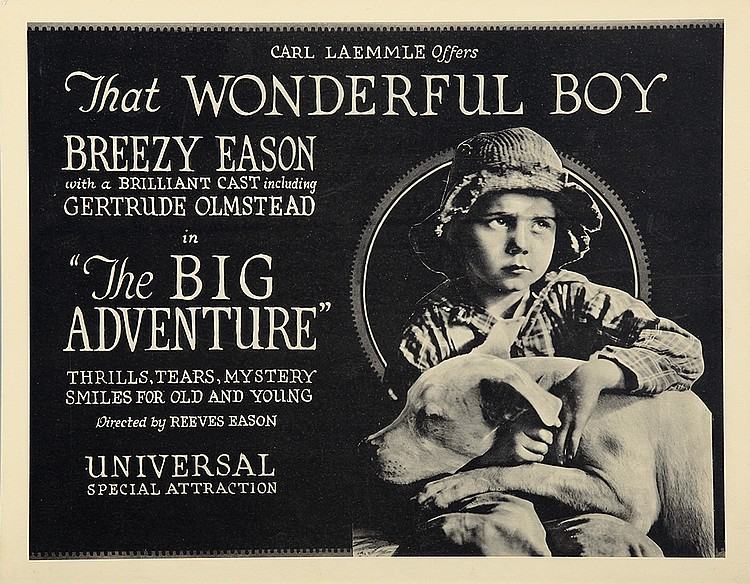
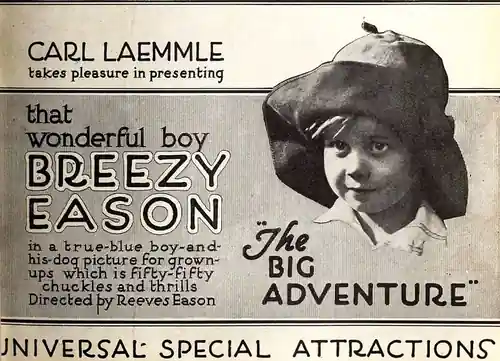
The Big Adventure is a relic of an era when cinema pulsed with the raw energy of unfiltered human struggles, and yet its heart beats with a timeless cadence. This 1920 gem, starring B. Reeves Eason Jr. as the eponymous Patches, is a masterclass in silent film storytelling, where every glance, gesture, and fleeting expression carries the weight of a thousand words. The film’s narrative, though rooted in the archetypal 'boy vs. villain' framework, transcends cliché through its vivid characterizations and unflinching depiction of social inequity.
At its core, the film is a study in contrasts: the squalor of the slums versus the pastoral serenity of Mrs. Lane’s home, the brutality of Old Whiskers versus the quiet dignity of Patches. Eason Jr. delivers a performance of remarkable nuance, his wide-eyed vulnerability masking a steely resolve that defines his arc. Supporting actor Lee Shumway, as the callous stepfather, is a grotesque yet compelling antagonist, his gaunt features and jerky movements evoking a primal menace. The chemistry between Eason and his canine co-star, a scruffy terrier mix, is a highlight, their bond serving as an emotional anchor in scenes of peril.
Visually, the film is a feast of chiaroscuro lighting and dynamic staging. The opening sequence, set in the grimy alleyways of the slums, uses shadows to evoke claustrophobia, while the transition to Mrs. Lane’s sunlit parlor bathes the screen in golden warmth. The editing, though primitive by modern standards, is effective in building tension during the kidnapping subplot. One particularly striking scene involves Patches’ escape from captivity—a sequence shot through a narrow corridor, with the camera tracking his frantic movements as he fumbles for a key. The lack of dialogue here amplifies the suspense, relying instead on the audience’s ability to read the boy’s desperation in his trembling hands and darting eyes.
Thematically, *The Big Adventure* grapples with the duality of human nature. Patches, forced into a life of crime by necessity, is portrayed not as a delinquent but as a product of systemic neglect. His moral ambiguity is a quiet commentary on the cyclical nature of poverty, a theme that resonates with films like The Girl Who Wouldn't Quit, where perseverance is both a burden and a virtue. The film also explores familial bonds, albeit fractured, drawing parallels to Billy’s Fortune, where inherited wealth and loss shape generational destinies.
The score, a haunting blend of piano and violin, underscores the film’s emotional beats without overpowering the visuals. During the climax, as Patches leads the posse through a storm-lashed forest to rescue Sally, the music swells with a tragic grandeur, elevating the stakes. The final confrontation between Patches and Old Whiskers is both a physical and symbolic battle, with the latter’s defeat signifying the triumph of empathy over cruelty. Yet, unlike many of its contemporaries, the film resists tidy resolutions—the scars of Patches’ ordeal linger, a reminder that redemption is often a slow, arduous journey.
Technically, the film is a marvel of early cinematography. The use of deep focus in the courtroom scenes allows the audience to absorb both the judge’s stern demeanor and the anxious expressions of the onlookers. The freight car escape, shot in a single unbroken take, is a testament to the era’s ingenuity, with the camera swaying to mimic the train’s motion. These technical choices, while simple, enhance the narrative’s authenticity, grounding the story in a tangible reality.
However, the film is not without its limitations. The pacing, particularly in the second act, occasionally lags as the plot pivots between locations. The character of Sally, though pivotal to the conflict, is underdeveloped, her role reduced to that of a damsel in distress. This narrative choice feels at odds with the otherwise progressive portrayal of Patches, whose agency drives the story. Nonetheless, these flaws are contextualized within the gender norms of the time, making the film a valuable artifact for historians of cinema and society alike.
Comparisons to later works like Under Southern Skies reveal how *The Big Adventure* laid groundwork for the underdog narrative in American cinema. Its emphasis on personal resilience over institutional support prefigures the themes in La capanna dello zio Tom, though the latter’s moral didacticism is more overt. The film’s influence is also evident in the heist subgenre, particularly in its depiction of theft as a means of survival rather than greed—a motif explored more fully in The Gold Cure.
In conclusion, *The Big Adventure* is a cinematic milestone that balances social commentary with thrilling action. Its enduring appeal lies in its unflinching portrayal of hardship and the indomitable spirit of its young protagonist. For modern viewers, it serves as both an educational relic and a poignant reminder of storytelling’s power to transcend time. Whether analyzed through the lens of film history or enjoyed for its narrative craftsmanship, this film remains a vital piece of Hollywood’s silent era legacy.
IMDb —
1936
Community
Log in to comment.