DbcultAccessing Vault...
Cult Review
Senior Film Conservator
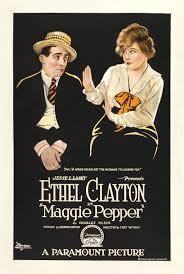
Stepping back into the cinematic landscape of 1919, one encounters a fascinating tapestry of storytelling, often characterized by grand gestures, moral clarity, and an earnest belief in the power of individual agency. Among these treasures, 'Maggie Pepper,' a vehicle for the luminous Marcia Manon, stands out not merely as a relic of a bygone era, but as a surprisingly potent narrative that continues to resonate with contemporary audiences willing to look past the absence of spoken dialogue. This isn't just a film; it's a meticulously crafted character study, a social commentary, and a heartwarming romance all rolled into one, demonstrating the sophisticated narrative capabilities of the silent era.
At its core, 'Maggie Pepper' is a testament to the indomitable spirit of its titular character, brought to life with remarkable vivacity by Marcia Manon. Maggie is not merely a saleswoman in a dry goods store; she is a force of nature, a woman whose sharp wit and keen observational skills are matched only by her unwavering moral compass. From the outset, we see her as a protector, a surrogate mother to her deceased brother's daughter, Claire. This foundational relationship immediately establishes Maggie’s core values: responsibility, sacrifice, and an almost primal need to shield innocence from the harsh realities of the world. Her nemesis, Claire's biological mother Ada, is a stark counterpoint – a figure of moral decay, entangled in a life of petty crime and negligence. The film masterfully sets up this dichotomy, painting a clear picture of the forces at play for Claire's future, a struggle that forms the emotional backbone of the entire narrative.
Maggie's journey from an astute saleswoman to an innovative business partner is one of the film's most compelling arcs. Her initial encounter with Joe Holbrook, the store's owner, is a stroke of narrative genius. Unaware of his true identity, Maggie, with characteristic candor and an impressive grasp of retail strategy, boldly shares her ideas for improving the store's operations. This scene, devoid of dialogue, relies entirely on Manon's expressive performance and the subtle reactions of Clyde Benson as Holbrook, creating a palpable sense of Maggie's intelligence and Joe's intrigued admiration. It’s a classic underdog moment, where raw talent challenges entrenched bureaucracy. When the insecure manager, threatened by her brilliance, fires her, it feels like an injustice, but one quickly rectified by Holbrook's enlightened intervention. Reinstated as his assistant, Maggie's innovations swiftly lead to the store’s burgeoning prosperity, positioning her as a proto-feminist figure whose professional acumen is celebrated rather than suppressed. This narrative thread, exploring social mobility and the recognition of talent regardless of gender, feels remarkably prescient for its time, perhaps even echoing the struggles and triumphs seen in films like Only a Factory Girl, though Maggie's ascent is more about entrepreneurial vision than sheer endurance.
The dry goods store itself functions as more than just a setting; it's a microcosm of society, a place where different classes intersect, where commerce and human drama unfold simultaneously. Maggie's improvements—from merchandising to customer service—aren't just about profit; they represent a progressive vision, a belief in efficiency and human connection. It's a subtle but powerful statement on the potential for positive change, even within the seemingly mundane confines of retail.
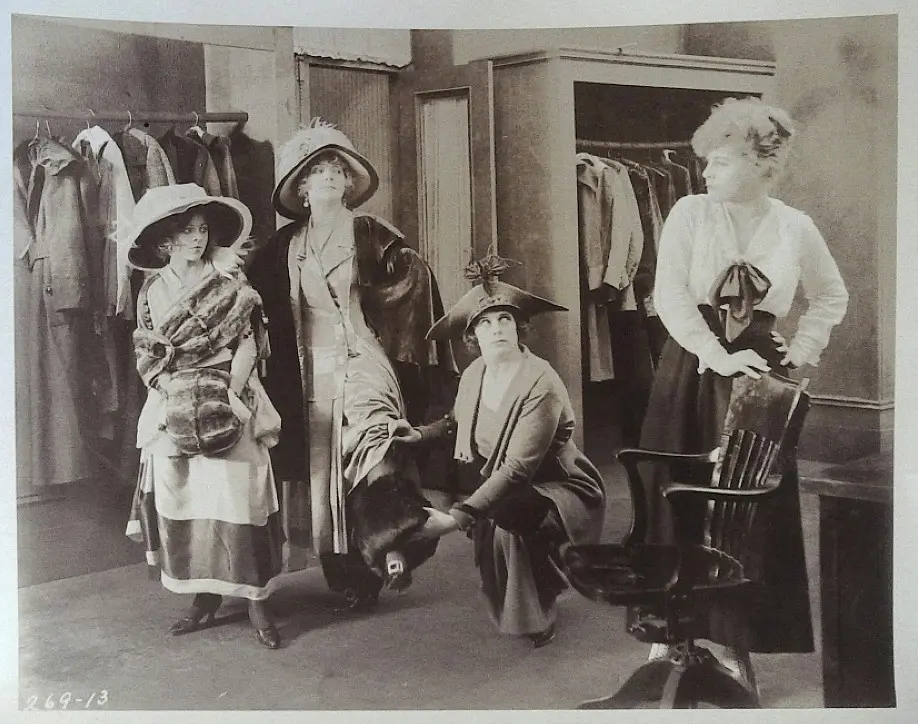
Just as Maggie finds her stride professionally and romantically, the specter of Ada and her new husband, Sam Darkin, casts a long shadow. This criminal duo represents the antithesis of everything Maggie stands for. Ada, portrayed with a chilling lack of maternal affection by Fay Holderness, embodies moral decay, while William Elmer’s Darkin is a predatory force, a clear and present danger. Their decision to reclaim Claire and indoctrinate her into the dark art of pickpocketing is a heart-wrenching twist, plunging the innocent child into a moral quagmire. The film doesn't shy away from depicting the devastating impact of such a life on a child, highlighting the stark contrast between Maggie's nurturing environment and Ada's corrupting influence. This battle for Claire's soul lends the film a profound emotional weight, transforming it from a simple romance into a gripping drama about the very essence of family and responsibility. The inherent danger and the stakes involved for a child's welfare resonate with the themes of vulnerability and rescue found in films like Perdida, albeit through a different cultural lens.
The inevitable confrontation, unfolding within Joe’s very store, is a masterclass in silent film tension. The apprehension of Ada and Claire, the subsequent imprisonment of the mother, and the return of Claire to Maggie’s care, provide a temporary but hard-won victory. It’s a moment of relief, yet the audience knows, as Maggie does, that the threat from Darkin lingers. This constant underlying menace adds layers of suspense, reminding us that evil, once introduced, is not easily vanquished. The criminal element, though perhaps not as overtly dark as in a film like Satan's Private Door, is nonetheless a palpable threat to the domestic bliss Maggie strives to create.
The romantic thread between Maggie and Joe is woven with subtlety and conviction. It's not a whirlwind passion but a slow-burn romance built on mutual respect, shared purpose, and admiration for each other's character. Joe Holbrook, portrayed with understated charm by Clyde Benson, evolves from a discerning employer to a devoted suitor. His recognition of Maggie's worth extends beyond her business acumen; he sees her heart, her strength, and her unwavering loyalty. The moment Maggie realizes Joe’s interest in her has led to the dissolution of his prior engagement is a pivotal turning point. Her subsequent decision to quit her job and take Claire to Pittsburgh isn't an act of petulance but one of profound self-awareness and protection. She understands the complexities of their situation and chooses to remove herself from any potential scandal or further entanglement, placing Claire's safety and her own integrity above personal happiness. This selfless act elevates her character even further, showcasing a depth of moral fortitude comparable to protagonists in films like The Victory of Conscience.
The relocation to Pittsburgh, however, only delays the inevitable. Darkin, a persistent and sinister presence, tracks them down, leading to the climactic kidnapping attempt. Joe’s timely arrival and heroic rescue of Claire cement his role as the quintessential leading man. The ensuing minor wound, which Joe shrewdly exaggerates into a serious injury, is a delightful touch of romantic melodrama. It’s a classic trope, allowing Maggie to nurse him through the night, creating an intimate space where their unspoken affections can finally blossom. This act of tender deception, far from feeling contrived, serves to highlight Joe's deep affection and his desire to secure Maggie's care and presence. It’s a moment that, while perhaps a little theatrical, perfectly encapsulates the romantic sensibilities of the era, reminiscent of the unexpected intimacy found in a film like Stranded in Arcady, where circumstances force two people together, leading to deeper connection.
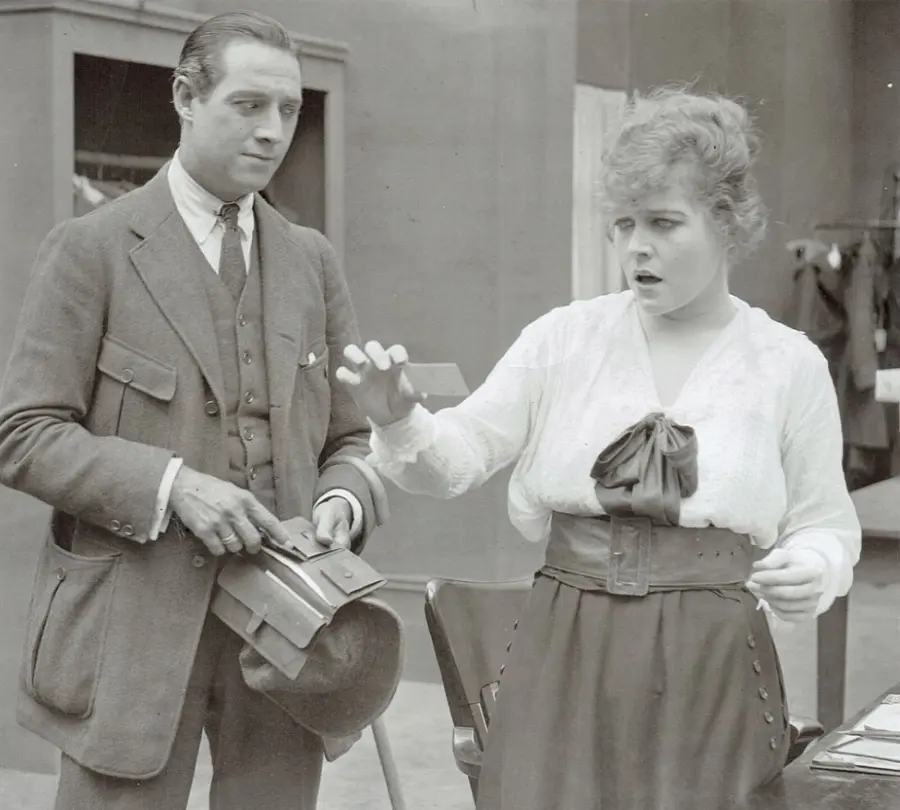
The proposal the next day is the satisfying culmination of their journey. It's a union forged not just from attraction, but from shared trials, mutual respect, and a profound understanding of each other's character. Maggie's acceptance isn't just about finding a husband; it's about securing a family, a protector for Claire, and a partner who truly sees and values her. The narrative, penned by Gardner Hunting and Charles Klein, demonstrates a keen understanding of character development and plot pacing, building suspense and emotional resonance without relying on spoken words, a testament to their skill in crafting stories for the silent screen.
Marcia Manon, in the role of Maggie Pepper, delivers a performance that transcends the limitations of silent film acting. Her expressiveness, through nuanced facial gestures and body language, conveys a wide spectrum of emotions—from steely determination to tender affection, from shrewd intelligence to quiet despair. She truly embodies the strength and vulnerability of a woman navigating a challenging world. Clyde Benson as Joe Holbrook provides a steady, reliable counterpart, his portrayal evolving from a somewhat aloof proprietor to a passionate, protective lover. The supporting cast, including Edna Mae Wilson as Claire and the menacing duo of Fay Holderness and William Elmer, fill their roles admirably, each contributing to the rich tapestry of the film’s world. Even smaller roles, such as those played by Clarence Geldert or Raymond Hatton, contribute to the overall atmosphere and credibility of the narrative.
The direction, though uncredited in the plot summary, likely emphasizes clear visual storytelling, a hallmark of the era. The use of intertitles is effective, providing necessary dialogue and exposition without disrupting the flow of the narrative. The cinematography, while perhaps not groundbreaking by today's standards, efficiently conveys mood and action, particularly in the more dramatic sequences like the kidnapping attempt, which carries the suspenseful weight often found in adventure films like The Hero of the Hour or even the perilous journeys depicted in The Ship of Doom.
In conclusion, 'Maggie Pepper' is more than just a historical artifact; it’s a vibrant, engaging film that speaks to timeless themes of courage, love, and the enduring human spirit. It celebrates the strength of women, the power of ingenuity, and the triumph of good over the forces of darkness. For those willing to immerse themselves in the artistry of silent cinema, this film offers a deeply rewarding experience, proving that a compelling story, well-told, needs no words to resonate across generations. It’s a testament to the fact that compelling characters and universal themes are the true language of cinema, a language that 'Maggie Pepper' speaks fluently and beautifully.
IMDb 6.4
1935
Community
Log in to comment.