DbcultAccessing Vault...
6.6/10
Senior Film Conservator
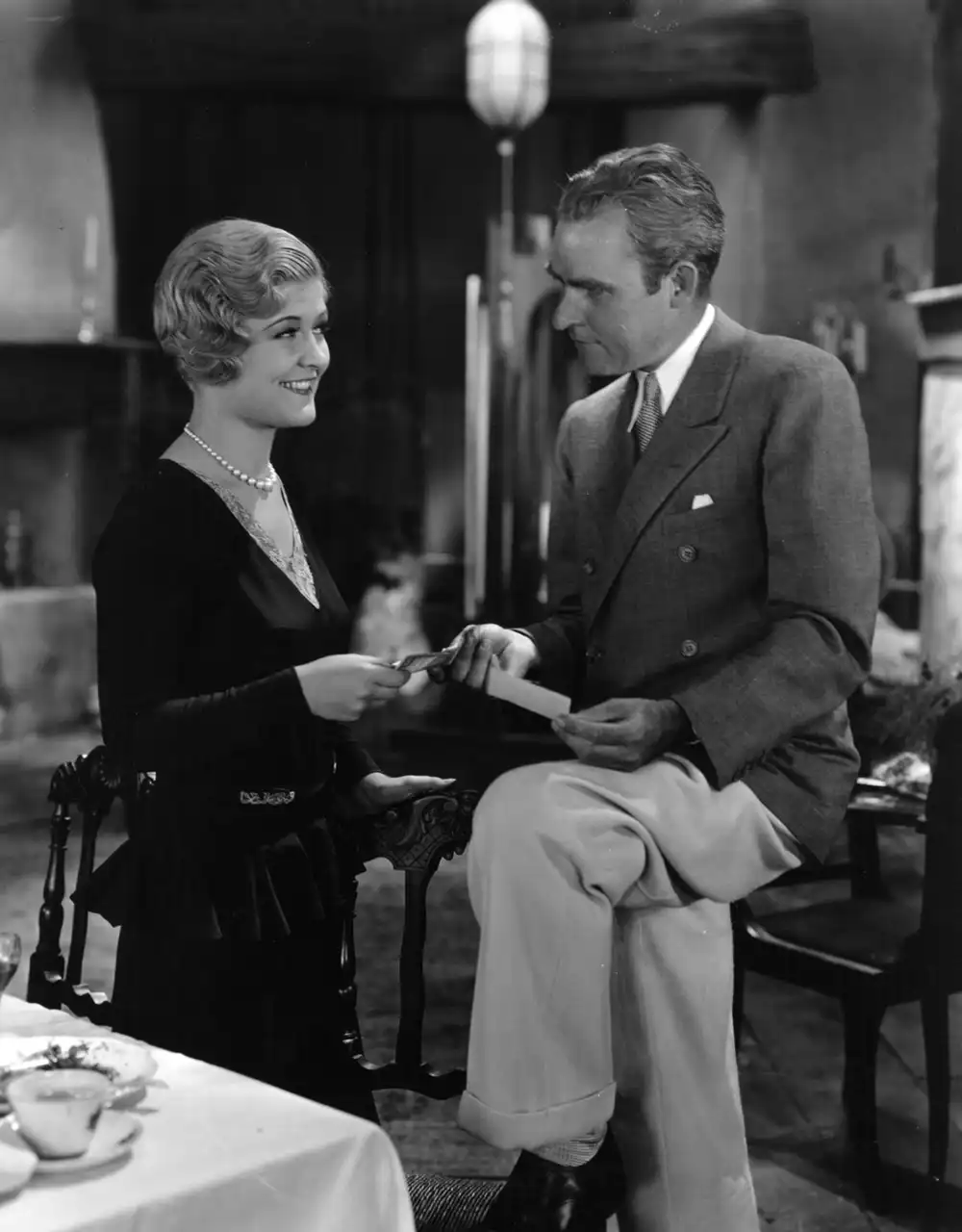
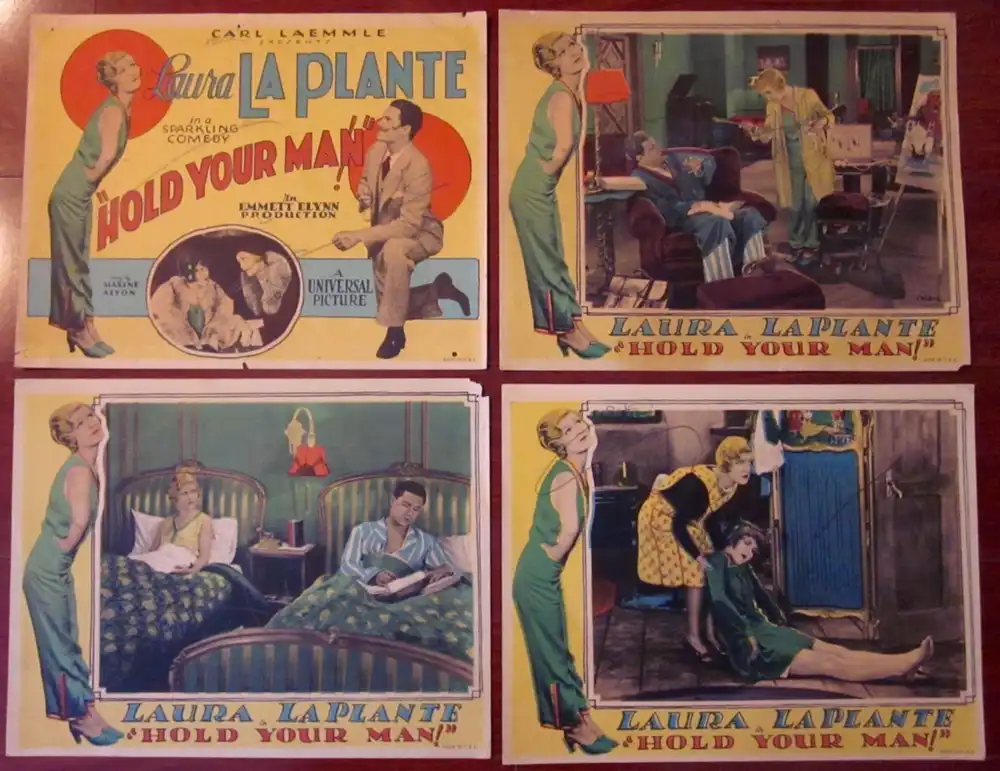
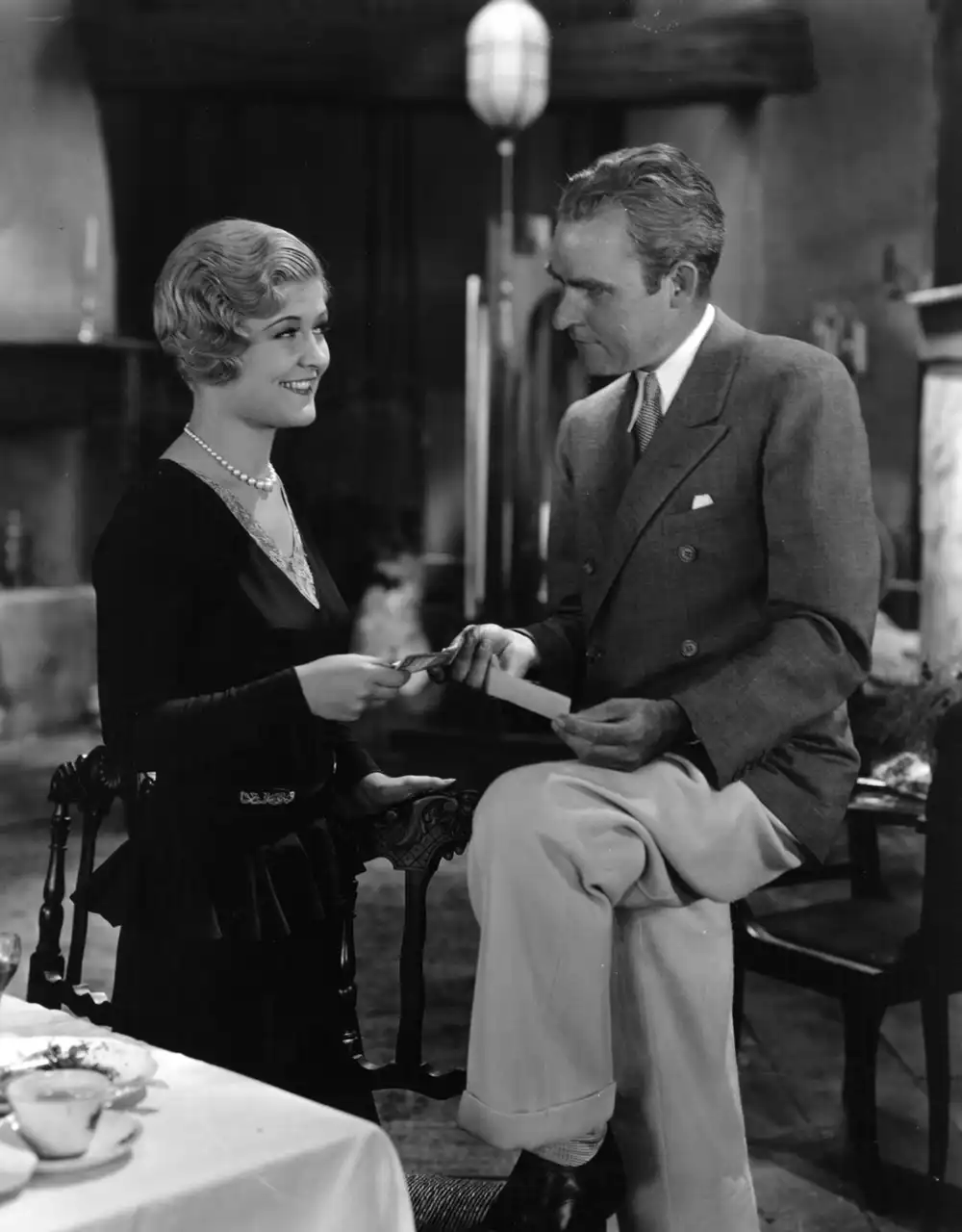
A definitive 6.6/10 rating for a film that redefined the boundaries of cult cinema. Hold Your Man remains a cornerstone of transgressive art.
Alright, so, "Hold Your Man" – it’s a peek into a different era, for sure. If you're a serious silent film buff, or just curious about how stories played out on screen before sound became standard, you'll probably find something interesting here. It's a bit of a melodrama, classic style.
But if you need quick pacing, crisp dialogue, or plots that mirror today's nuanced relationships, you might find yourself checking your watch. 🕰️ It’s *definitely* not for everyone.
The whole thing kicks off with Mary Hopkins deciding Paris and painting are more her speed than her husband, Jack. You see her packing up, and there’s this look on her face – not exactly sad, more like determined. Almost a little too determined, if you ask me. Like she's trying to convince herself more than anyone else.
Jack, bless his heart, seems a bit blindsided. He’s left alone until his old sweetheart, Rhea, pops back up. And wow, Rhea. She’s got that classic villainess vibe, you know? All smiles and then you can practically see the wheels turning behind her eyes. She practically pushes him to go to Paris, supposedly for a divorce. But you just know her true motives are… less pure.
When Jack finally gets to Paris, the film spends a bit too much time showing Mary doing art things. We see her sketching, frowning at a canvas, but never really get a sense if she’s actually *good* at it. It’s more about the idea of her being an artist, which felt a little surface-level.
The real drama, the part that made me raise an eyebrow, is when Mary confesses an imaginary affair to Jack. Yeah, you read that right. An imaginary one. The scene plays out with such sincerity from Mary, you almost believe she believes it herself. And Jack’s reaction? It's a whole silent film spectacle of shock, hurt, and then… a strange kind of relief?
It's meant to make him want her back, to fight for her. And it *works*. You can feel the film trying to sell this as a clever, desperate move, rather than a completely bizarre one. It’s a bold narrative choice, certainly, and one you probably wouldn't see today without a lot of winking at the camera.
Rhea, naturally, gets her comeuppance. It happens fairly quickly, almost like the plot needed her out of the way so the real couple could get back to their odd reconciliation. There's not a lot of fanfare, she's just kinda… discredited. Poof, gone. 👋
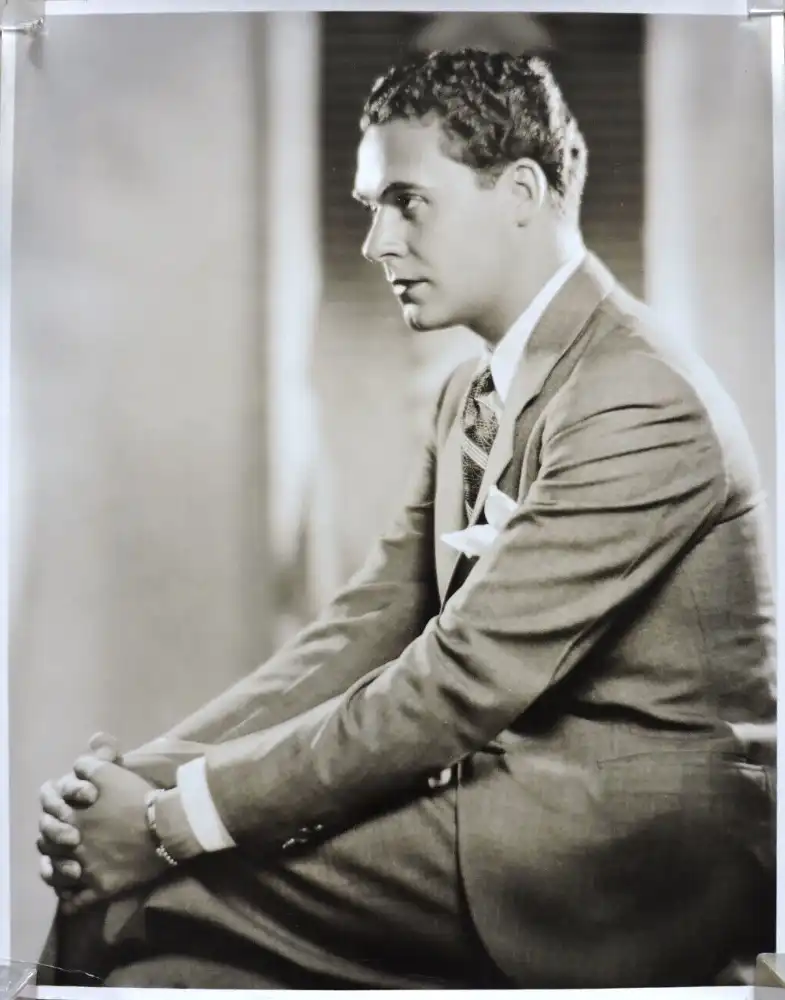
The ending, with Jack and Mary reunited, feels a little too tidy after all the emotional gymnastics. It’s like, okay, so an imaginary affair is the secret to getting your husband back? It just leaves you wondering about the actual foundation of their relationship going forward. Like, what if she gets bored with painting again?
Honestly, the whole thing is more interesting for its historical context than for its groundbreaking storytelling. It’s a good example of how early filmmakers tackled complex emotions with exaggerated gestures and very direct plot points. You really get a sense of the acting styles of the time; sometimes a little over the top, but always clear what they're *trying* to convey.
If you enjoy seeing how film language has evolved, how expressions and simple titles carried entire emotional arcs, then give "Hold Your Man" a look. Otherwise, it’s probably one for the academic types and the truly devoted silent movie fans. It’s a curiosity, a little time capsule, but maybe not a hidden gem for everyone.
IMDb —
1919
Community
Log in to comment.