DbcultAccessing Vault...
Cult Review
Senior Film Conservator
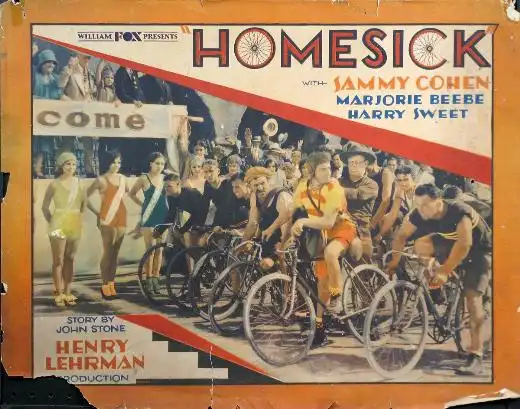
Is this worth watching today? Honestly, only if you’re the kind of person who keeps a spreadsheet of every surviving silent film or if you have a very specific fetish for 1920s bicycle technology. If you’re looking for a lost masterpiece of physical comedy, this isn’t it. You’ll probably hate it if you don't have a high tolerance for Sammy Cohen’s specific brand of facial gymnastics.
The whole thing is built around a cross-country bike race from New York to California. It’s one of those plots that exists purely to justify a travelogue. We get a lot of shots of dusty roads, small-town storefronts, and the kind of American landscape that doesn't really exist anymore. That’s probably the best part of the movie, actually—just looking at the background. The actual comedy is a lot thinner.
Sammy Cohen is the lead, and he’s... a lot. He has this way of mugging for the camera where he tries to use every muscle in his face at the same time. It’s impressive for about five minutes, and then it starts to feel like he’s shouting at you without making a sound. There’s a scene early on where he’s trying to impress Marjorie Beebe, and the way he vibrates with nervous energy is genuinely stressful to watch. You want him to just sit down and breathe for a second.
Marjorie Beebe is fine, I guess. She’s playing the standard love interest who doesn't have much to do besides look concerned or encouraging depending on which way the wind is blowing. She had a lot more spark in Hot Heels, but here she feels like she’s just waiting for the race to be over so she can go home. Can't really blame her.
The pacing is where things really fall apart. There is a sequence involving a flat tire and a series of "mishaps" on a dirt road that feels like it happens in real-time. You can almost feel the director, Henry Lehrman, off-camera telling them to stretch the bit for another three minutes because they didn't have enough footage to fill the reel. It stops being funny and just becomes a document of a guy struggling with a bicycle.
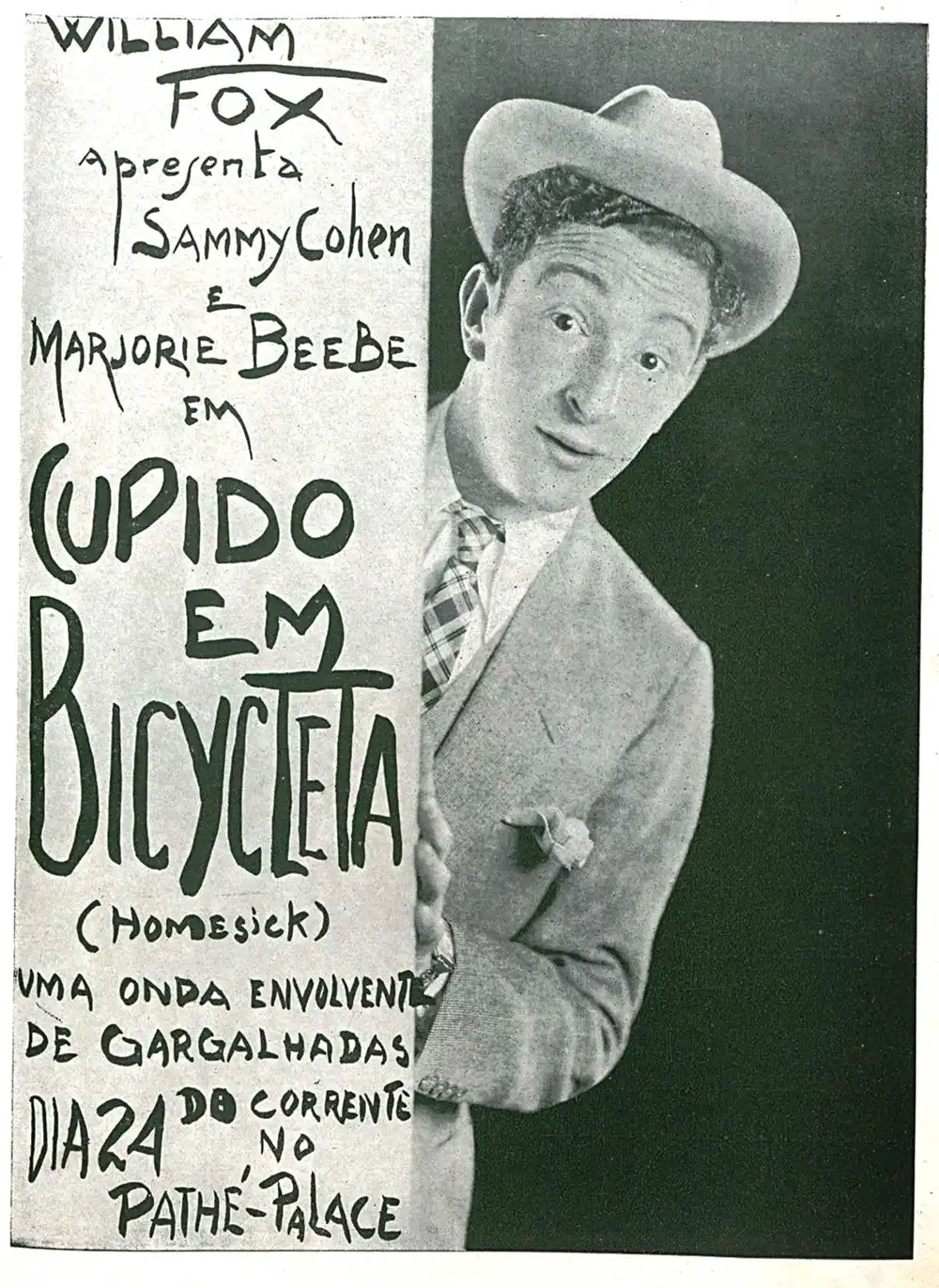
One thing that did catch my eye was Henry Armetta. He shows up and does his usual routine, and for a few minutes, the movie actually feels like it has a pulse. He has this natural, chaotic timing that makes Sammy Cohen look like he's trying way too hard. There’s a brief moment of interaction between them near a roadside rest stop that actually made me chuckle, mostly because Armetta looks genuinely confused by whatever Cohen is doing with his eyebrows.
The editing is pretty rough in spots. There are these jumpy transitions where a character will be on one side of the road and then suddenly they’re twenty feet further down in the next frame. It’s not experimental; it just looks like they lost some frames or didn't care about the continuity. In one shot, Cohen’s hat is practically falling off, and in the immediate reverse shot, it’s pinned perfectly to his head. It’s the kind of small stuff that reminds you this was a B-picture cranked out to fill a slot.
I kept thinking about Stage Struck while watching this, mostly because of how much better that film handles the balance between personality and slapstick. Homesick feels like it’s missing a middle gear. It’s either standing still or screaming at 100 miles per hour, with nothing in between.
The ending is exactly what you think it is. There’s no subversion here. The race finishes, the guy gets the girl, and the audience gets to go stretch their legs. It’s not a bad way to spend an hour if you’re a silent film completionist, but for anyone else, it’s just a lot of dust and squinting.
One weird detail: watch the extras in the New York scenes at the start. Half of them are looking directly at the camera with this "what is this idiot doing?" expression while Cohen is performing. It’s the most honest part of the whole movie.
IMDb 5.2
1935
Community
Log in to comment.