DbcultAccessing Vault...
Cult Review
Senior Film Conservator
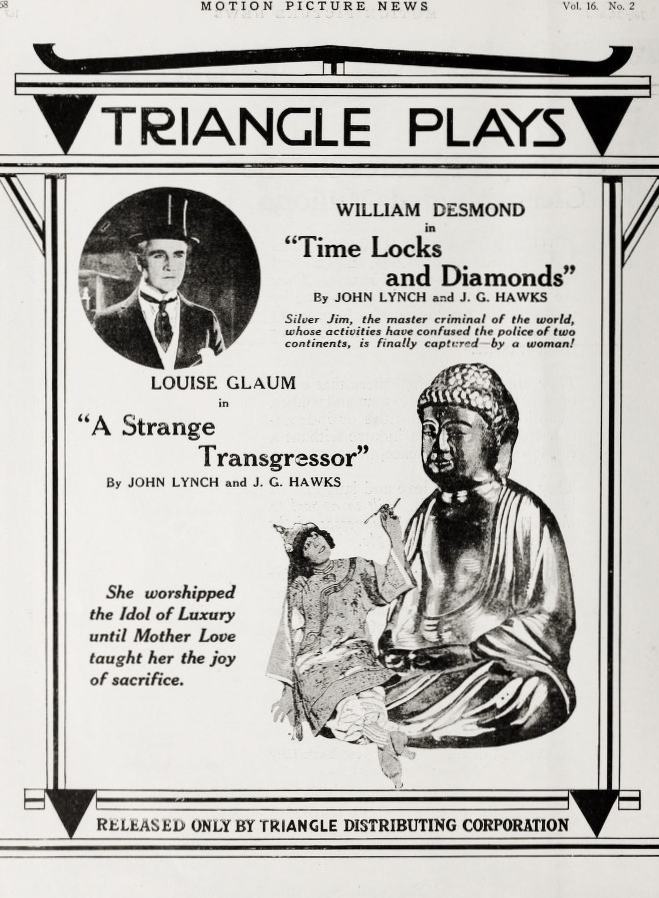
There’s a peculiar allure to the silent era, a cinematic language spoken through exaggerated gesture, expressive physiognomy, and the evocative power of a well-placed intertitle. 'Time Locks and Diamonds,' a compelling drama from a bygone age, epitomizes this unique charm, weaving a tale of redemption, loyalty, and the inescapable gravitational pull of a shadowed past. From the moment the flickering images grace the screen, viewers are drawn into the morally ambiguous world of 'Silver Jim' Farrel, a character whose journey from international criminal to suburbanite is fraught with peril and poignant choices.
The narrative artistry of J.G. Hawks and John Lynch is immediately apparent in their construction of Farrel. He’s not merely a reformed thief; he's a man living a carefully constructed lie, a fragile peace built upon the deliberate erasure of a notorious identity. Tom Guise, in the titular role, delivers a performance that, even through the veil of time and the limitations of silent acting conventions, conveys a profound internal struggle. His eyes, even in repose, hint at the vigilance of a man constantly looking over his shoulder, a ghost of his former self lingering just beneath the surface of his respectable demeanor. This duality is the very heartbeat of the film, setting the stage for the inevitable collision between his present tranquility and the demands of his history.
The film masterfully establishes Farrel's comfortable suburban existence with Marjory, his sister, played with earnest sweetness by Margaret Thompson. Their domestic scenes, bathed in a gentle light, serve as a stark contrast to the dark undercurrents that soon disrupt their peace. This initial portrayal of normalcy is crucial; it allows the audience to invest in Jim's newfound honesty, making his reluctant descent back into criminality all the more impactful. It's not a return to vice for personal gain, but an act of desperate loyalty, a testament to the bonds forged in a life he thought he had abandoned. This theme of a past commitment forcing a character back into a dangerous world resonates deeply, much like the intense personal stakes found in dramas such as The Woman Pays, where characters are often trapped by the repercussions of earlier decisions.

The catalyst for Jim's relapse is a friend in dire straits, facing the grim prospect of incarceration. This moral imperative, rather than avarice, elevates the ensuing jewel heist beyond mere criminality into a complex act of self-sacrifice. The film doesn't glorify the act but portrays it as a necessary evil, a painful concession to an old code of honor. The heist itself is staged with a captivating tension, a testament to the era's nascent understanding of suspense filmmaking. The meticulous planning, the silent execution, and the looming threat of discovery are all conveyed with remarkable clarity, even without dialogue.
What makes this sequence particularly compelling is Jim's unwavering determination to keep Marjory and his sweetheart blissfully unaware of his illicit activities. This protective instinct adds another layer to his character, painting him not as a villain, but as a flawed hero, a man willing to dirty his hands to preserve the innocence of those he loves. The visual storytelling here is paramount; we see Jim's furtive glances, his careful movements, the way he compartmentalizes his life, building an invisible wall between his two worlds. It's a delicate balancing act, one that keeps the audience perpetually on edge, wondering when and how these two realities will inevitably collide.
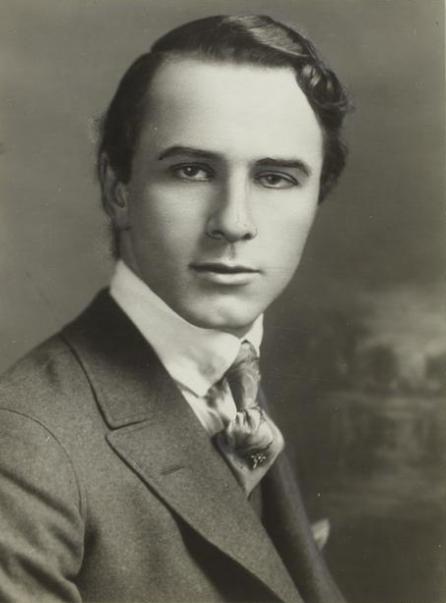
The film's dramatic apex arrives with Marjory's wedding, a scene ripe with both joyous celebration and simmering dread. The juxtaposition is exquisite: the pristine white of the ceremony against the dark secret Jim carries. The entrance of Edgar Seymour, the son of the robbed jeweler, injects an immediate, palpable tension. William Desmond, as Edgar, portrays a man whose recognition of Jim is slow, dawning, and ultimately terrifying. The moment of realization, captured through a subtle shift in his expression, is a masterclass in silent film acting, conveying volumes without a single spoken word.
The ensuing confrontation, or rather, the *prevention* of one, is a stroke of narrative genius. Jim's swift, silent action of jabbing a gun into Edgar's back during the proceedings is a breathtaking moment of high-stakes improvisation. It's a testament to Jim's quick thinking and his enduring criminal instincts, even in his reformed state. This scene is a microcosm of the film's larger themes: the past relentlessly encroaching upon the present, the desperate measures taken to maintain a façade, and the inherent fragility of peace. The tension is almost unbearable, a silent scream beneath the wedding vows, reminding one of the profound, almost operatic dramatic irony found in tales like Othello, where public ceremony masks private treachery and burgeoning disaster.
The film's resolution is perhaps its most original and morally complex aspect. Instead of a straightforward escape or capture, Jim orchestrates a confrontation with the senior Seymour, the robbed jeweler. This meeting is not about begging for mercy, but about leveraging a past injustice. Jim reminds Seymour of a time when the jeweler swindled him, causing him to serve time for another's crime. This revelation recontextualizes Jim's actions, blurring the lines between right and wrong, crime and retribution. It suggests that his initial foray into a life of crime might have been catalyzed by Seymour's own unscrupulous behavior, adding a layer of tragic irony to the narrative.
This narrative twist is incredibly sophisticated for its time, moving beyond simple good-vs-evil dichotomies into a more nuanced exploration of justice and karmic consequence. It forces the audience to reconsider their judgment of 'Silver Jim,' transforming him from a simple criminal into a man seeking a peculiar form of balance. The return of the jewels, therefore, becomes not an act of capitulation, but a strategic maneuver, a way of settling a score that transcends the immediate theft. The film deftly navigates these moral ambiguities, much like the intricate moral landscapes explored in other contemporary dramas such as The Folly of Sin, where the consequences of past actions often define present predicaments.
The final act of Jim's escape from police detection is a classic silent film flourish, relying on clever staging and visual trickery. The use of a sliding trick door and a conveniently placed safe underscores Jim's enduring ingenuity and his mastery of his criminal craft. It’s a moment that elicits a satisfying gasp from the audience, a testament to the power of well-executed illusion. This sequence, while brief, is pivotal; it allows Jim to truly sever ties with his criminal identity, not through capture or death, but through a final, triumphant act of evasion that allows him to return to his quiet, honest existence, his slate, for now, wiped clean.
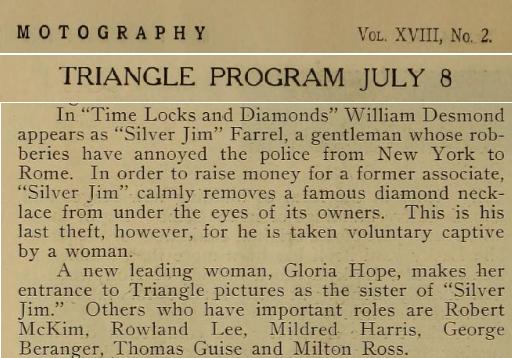
The direction, though uncredited in some records, demonstrates a keen understanding of visual pacing and dramatic emphasis. The camera work, while static by modern standards, is employed effectively to frame the action and highlight character reactions. The use of close-ups, though sparing, is impactful, drawing attention to the subtle facial expressions that communicate fear, determination, and relief. The film relies heavily on its actors to convey emotion, and the ensemble cast, including Robert McKim, Darrell Foss, and the formidable Kate Bruce, rise to the occasion, embodying their roles with the characteristic intensity of the era. Even in minor roles, figures like Gloria Hope and Mildred Harris contribute to the film's rich tapestry, their presence adding depth to the world Farrel inhabits.
'Time Locks and Diamonds' is more than just a crime drama; it's a fascinating character study wrapped in the guise of a thrilling caper. It asks profound questions about identity, the possibility of true redemption, and whether one can ever truly escape the shadows of their past. The film's enduring appeal lies in its ability to transcend its silent era origins, speaking to universal human experiences. It reminds us that even when silence reigns, stories can be told with astonishing power and emotional depth. The careful construction of the plot, the nuanced characterizations, and the surprising twists make it a compelling watch for anyone interested in the foundational narratives of cinema.
The film's impact, though perhaps not as widely recognized as some of its more famous contemporaries, is significant. It showcases the burgeoning sophistication of storytelling in the early 20th century, demonstrating a willingness to explore moral complexities that would become hallmarks of later film noir. It’s a testament to the raw talent of its writers and actors, who, without the aid of spoken dialogue, managed to craft a narrative that still resonates today. The film challenges our perceptions of heroes and villains, presenting a protagonist who is both a criminal and a man of honor, a figure whose actions, though illegal, are driven by a deeply personal, almost noble, code.
In an age dominated by sound and spectacle, 'Time Locks and Diamonds' serves as a potent reminder of cinema's fundamental power: to tell a story, evoke emotion, and provoke thought through the sheer artistry of moving images. It's a film that deserves to be rediscovered, appreciated not just as a historical artifact, but as a vibrant piece of dramatic storytelling that continues to shine with its own unique brilliance, much like the very jewels that drive its intricate plot.
IMDb 6.1
1936
Community
Log in to comment.