DbcultAccessing Vault...
5.8/10
Senior Film Conservator
A definitive 5.8/10 rating for a film that redefined the boundaries of cult cinema. Honey remains a cornerstone of transgressive art.
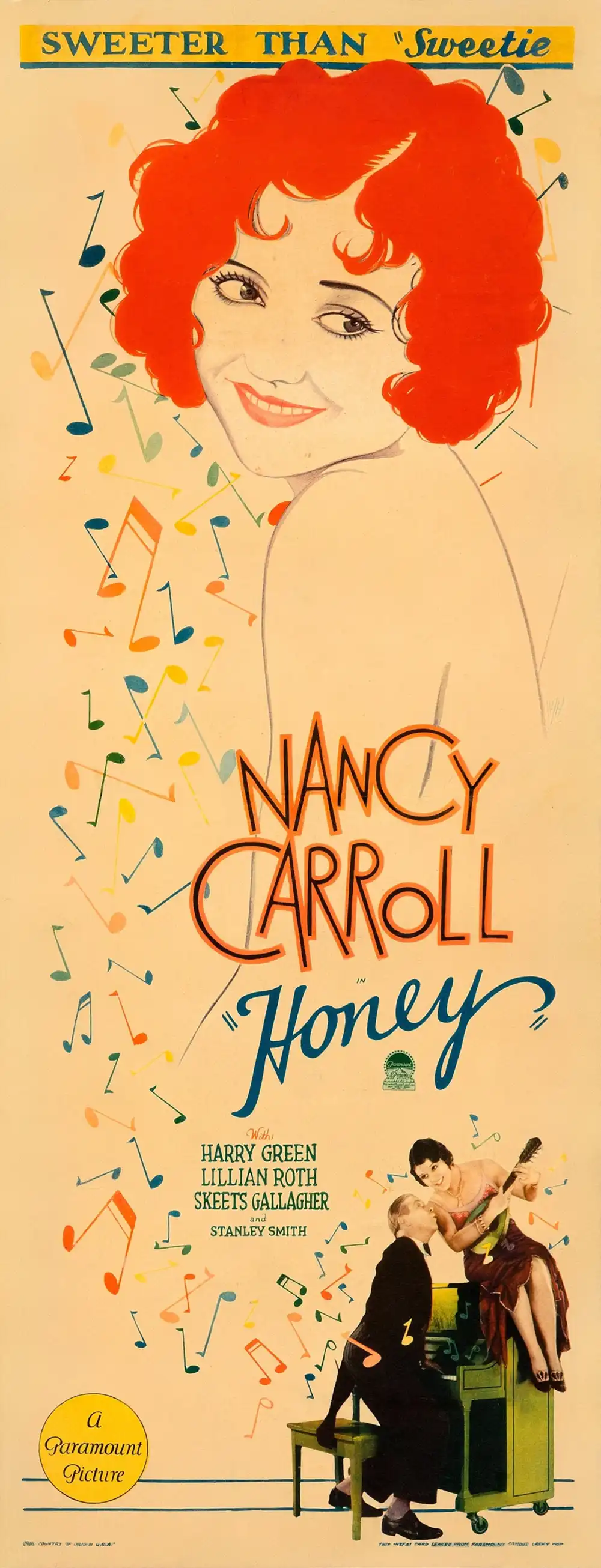
Alright, so 'Honey' (1930) isn't exactly a groundbreaking cinematic masterpiece. But is it worth a watch today? For folks who get a kick out of early talkies, the slightly stiff acting, and that particular pre-Code charm, absolutely. If you're expecting modern pacing or high-octane drama, you'll probably hate it. This one's for the old film buffs and the curious.
The whole premise is pretty neat: a brother and sister, Cynthia and Charles, lose all their money, but they just can't bear to leave their old Southern mansion. So, they rent it out to some new money folks, pretending they're the new cook and butler. It's a classic setup, right? And it kicks off with a kind of gentle, almost naive humor.
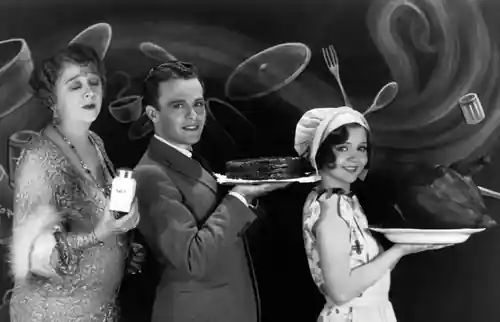
You can tell it's 1930 right away, the way everyone kinda… waits for their turn to talk. The dialogue feels a bit like a stage play at times, which makes sense for the era. But there are these little glimpses of personality that shine through.
Richard 'Skeets' Gallagher plays Charles, the brother, and he's got this hangdog look that really sells the 'rich guy trying to be a servant' bit. There's one scene where he's attempting to serve drinks, and he just looks so utterly bewildered by the tray. Like he's never touched one before. It's a small moment, but it’s genuinely funny.
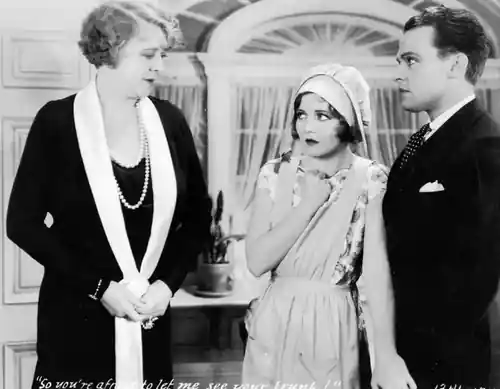
And then there's Zasu Pitts. Oh man, Zasu Pitts. Her character, Mrs. Pottle, pops up, and honestly, the film just gets a little jolt. Her voice, that anxious flutter, the way she moves with that unique sort of hesitant energy – it's unmistakable. She plays the new mistress of the house, and she's just a hoot. Every time she's on screen, the whole movie feels a little less… precious.
The musical numbers are, well, they're there. It's 1930, so you expect a song or two. Lillian Roth, playing the actual 'Honey' of the title, has a lovely voice. The songs themselves are pretty standard fare for the time. Not exactly catchy, but they fit the vibe.
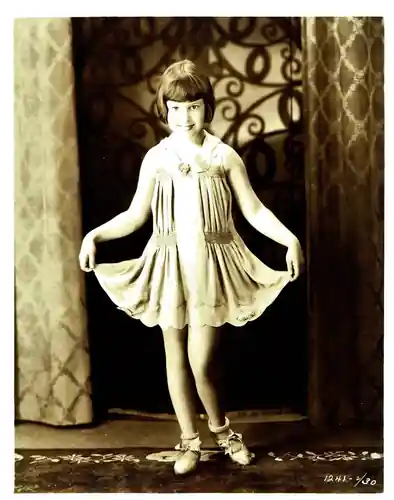
The mansion itself is supposed to be this grand Southern estate, but sometimes in the background, you catch a glimpse of a slightly peeling wall or a corner that looks a bit less pristine. It adds a weird bit of realism to the whole 'lost fortune' idea. Or maybe it was just the set budget. 🤷♀️
There's a lot of running around and hiding from old friends who might recognize Cynthia and Charles. This leads to some predictably awkward situations. The best bits are when they're almost caught, and they have to improvise some ridiculously flimsy excuse.
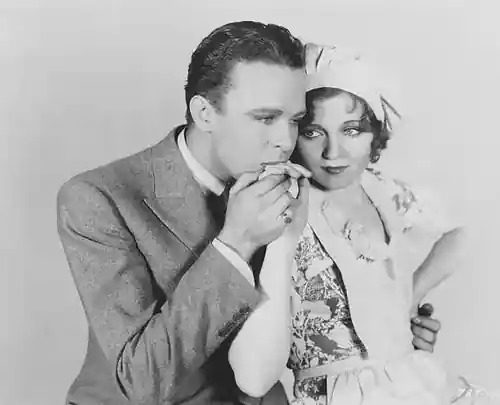
Nancy Carroll, as Cynthia, tries her best to look put-upon but also dignified. She pulls it off mostly. But when she and Skeets Gallagher share a look of utter desperation over some servant task, that's when it really works. Their silent communication is often stronger than the actual dialogue.
Also, big shout-out to Louise Beavers and Clarence Muse, who play actual, seasoned household staff. They bring a groundedness to the film that the main characters, for all their comedic efforts, sometimes lack. They feel like real people, navigating the antics of their new, very amateur 'colleagues.' You kinda want to see *their* story.

The film moves along at a leisurely pace. It’s not trying to rush you. You get to hang out in this world for a bit, watch these people stumble through their new roles. It’s got a sweet, almost innocent charm to it, even when the plot threads get a little tangled.
By the end, everything wraps up a little *too* neatly, as these sorts of films often do. But you're left with a sense of having visited a particular moment in film history. It's a gentle, pleasant diversion, especially if you appreciate the quirks of early sound pictures.
IMDb 7.6
1934
Community
Log in to comment.