DbcultAccessing Vault...
Cult Review
Senior Film Conservator
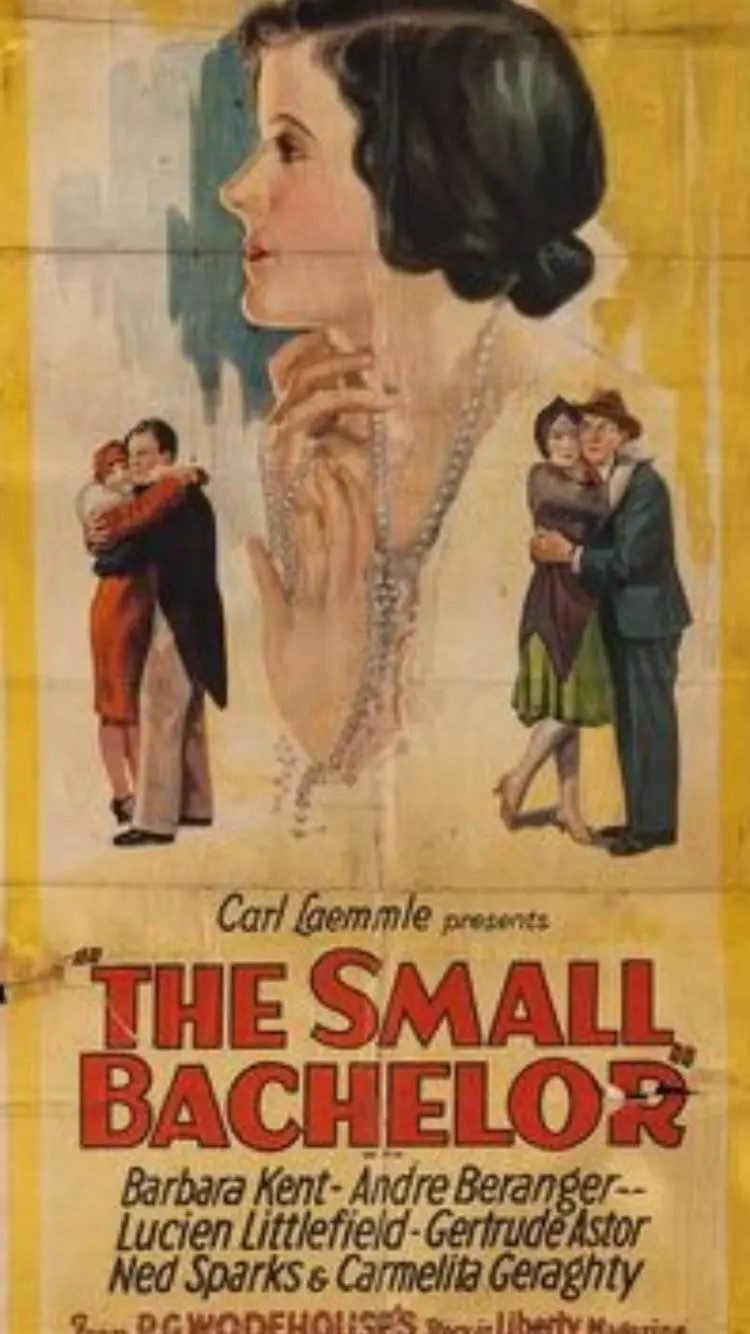
Is The Small Bachelor worth watching today? Short answer: yes, but with a significant asterisk attached, primarily for those with a specific appreciation for silent-era comedies, particularly those adapted from the whimsical mind of P.G. Wodehouse. This film is an absolute delight for cinephiles eager to explore early cinematic interpretations of beloved literary figures and for anyone who finds charm in the era's unique brand of physical comedy and melodramatic romance. However, it is decidedly not for viewers accustomed to modern pacing, complex character arcs, or dialogue-driven humor, who might find its conventions quaint to the point of tedium.
Let’s get straight to it.
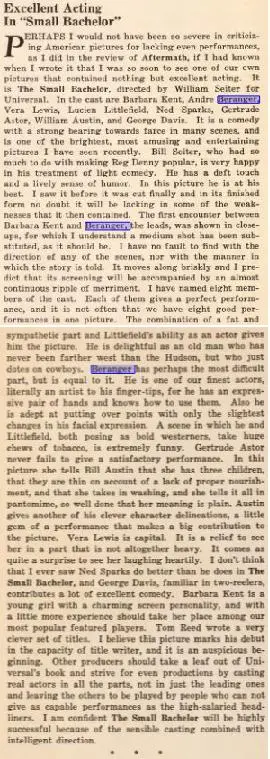
At its heart, The Small Bachelor is a classic P.G. Wodehouse setup: a young couple in love, an imposing matriarch, and a nefarious plot to separate them, all culminating in a chaotic, yet ultimately satisfying, resolution. The plot, adapted by Walter Anthony, John B. Clymer, P.G. Wodehouse himself, and Rex Taylor, revolves around a society mother’s fervent desire to marry off her daughter to a fortune-hunting lord, a scheme continually undermined by the daughter’s unwavering devotion to an artist. It’s a premise ripe for comedic misunderstandings and social satire, and the film leans into this with gusto.
The pacing is undeniably of its era. Silent films often demanded a different kind of engagement, relying on exaggerated gestures and clear visual storytelling to convey emotion and plot points without dialogue. Here, the narrative unfolds with a deliberate, almost theatrical rhythm. Key plot developments are often telegraphed well in advance, and the comedic beats, while effective for the period, might feel protracted to a modern viewer. For instance, the repeated attempts by the mother and the lord to separate the lovers, while varied in their execution, eventually settle into a predictable pattern of elaborate schemes followed by inevitable failure.
Yet, within this framework, there’s a certain charm. The film doesn't rush; it allows its comedic situations to breathe, drawing out moments of physical comedy and dramatic irony. This slow burn can be rewarding, particularly when viewed through the lens of historical context, offering a glimpse into how narratives were constructed and consumed almost a century ago. The relatively straightforward narrative ensures that even without spoken words, the audience is never lost, a testament to the clarity of silent film storytelling when done right. It’s simple. But it works.
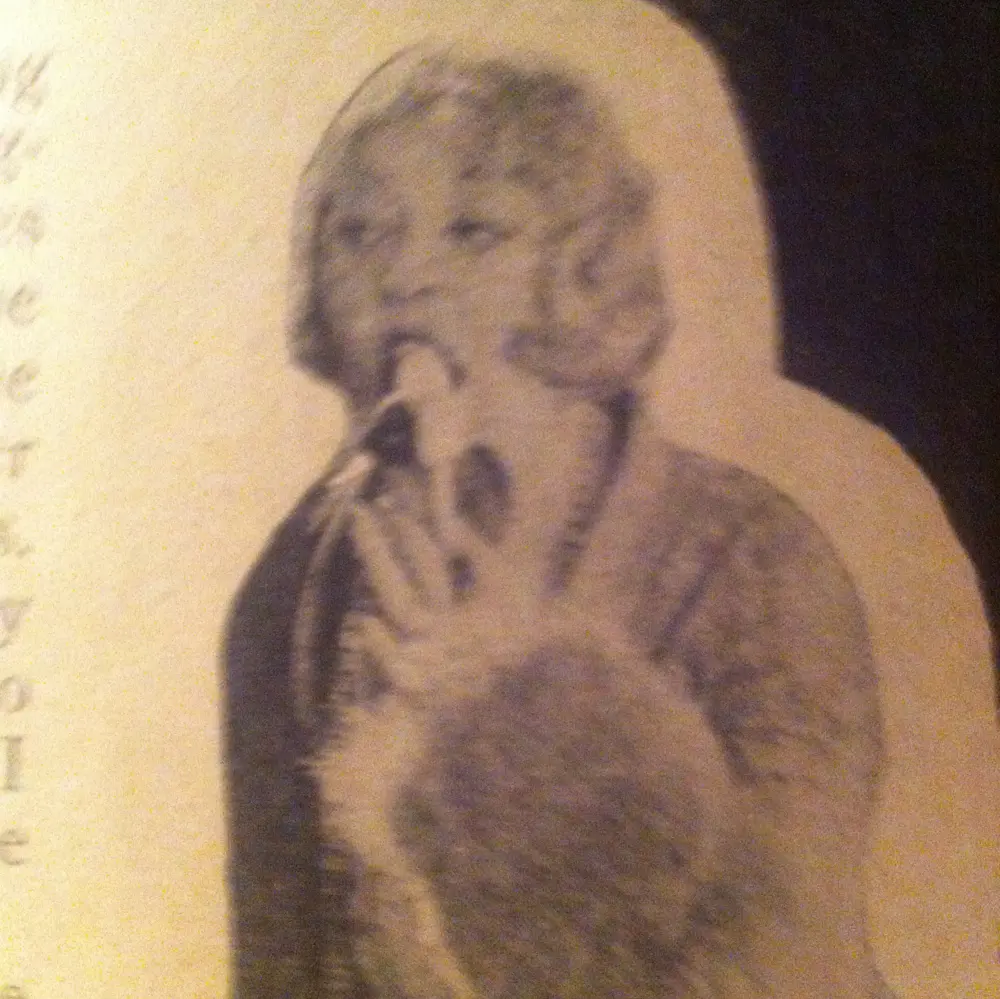
The strength of The Small Bachelor rests heavily on its cast, who, despite the limitations of silent film, manage to imbue their characters with personality. Gertrude Astor, as the formidable society mother, is a particular standout. Her performance is a masterclass in silent-era villainy, complete with dramatic eye rolls, imperious postures, and a general air of aristocratic disdain. Every gesture, from the slight tilt of her head to the dismissive wave of her hand, speaks volumes, making her character both a formidable antagonist and a source of considerable comedic relief. Her chemistry, or rather anti-chemistry, with the fortune-hunting Lord, played by William Austin, is palpable, creating a delightfully conniving duo.
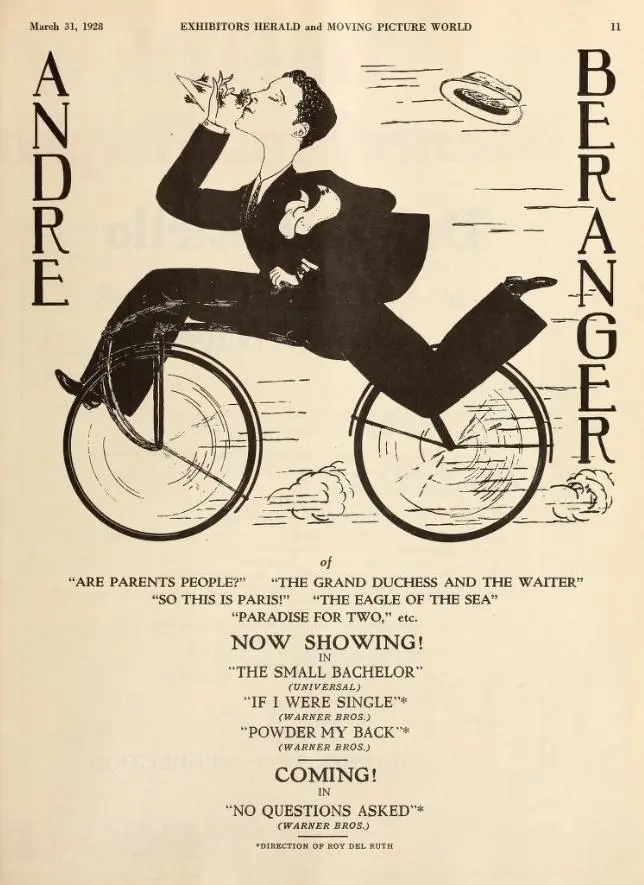
Barbara Kent, as the daughter torn between duty and love, brings a youthful exuberance and earnestness to her role. While her character is less overtly comedic than Astor's, Kent conveys a convincing sense of romantic longing and defiant spirit. Her interactions with George Beranger’s artist character are tender and believable, providing the emotional anchor for the film’s central conflict. Beranger himself embodies the charming, slightly bewildered artist archetype, his expressions often shifting between hopeful adoration and comical despair as he navigates the mother’s machinations.
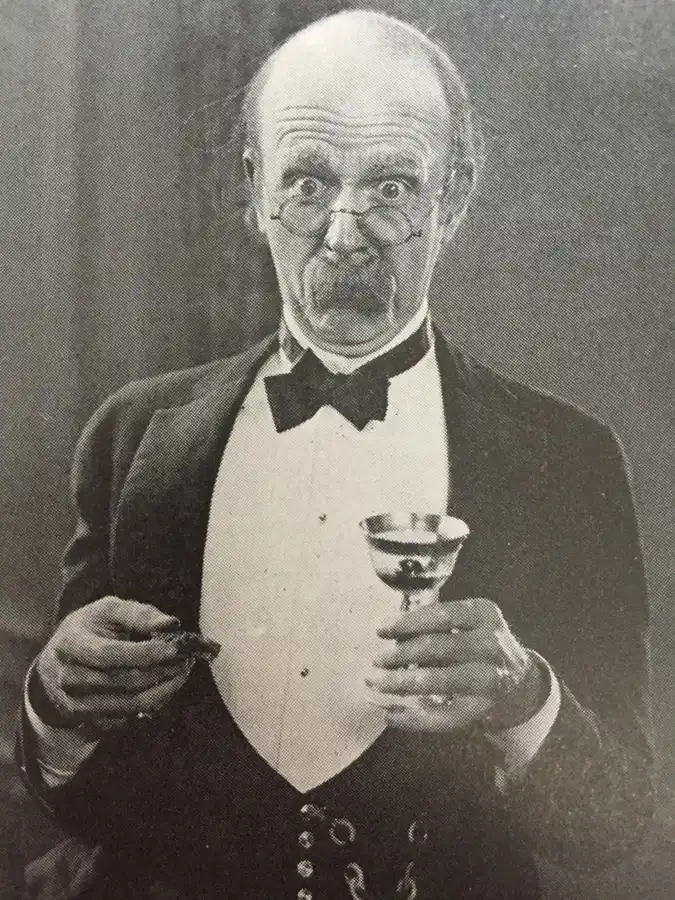
Supporting players like Lucien Littlefield, Carmelita Geraghty, and Vera Lewis contribute to the film’s bustling atmosphere, each adding their distinct flavor to the ensemble. Ned Sparks, for example, delivers several memorable reaction shots that perfectly capture the befuddlement or exasperation of an observer caught in the crossfire of the main plot. While some performances lean into the broader, more exaggerated style common in silent films, they collectively form a cohesive and entertaining whole. It’s a shame modern audiences rarely get to appreciate the specific craft of silent acting – it’s a language all its own.
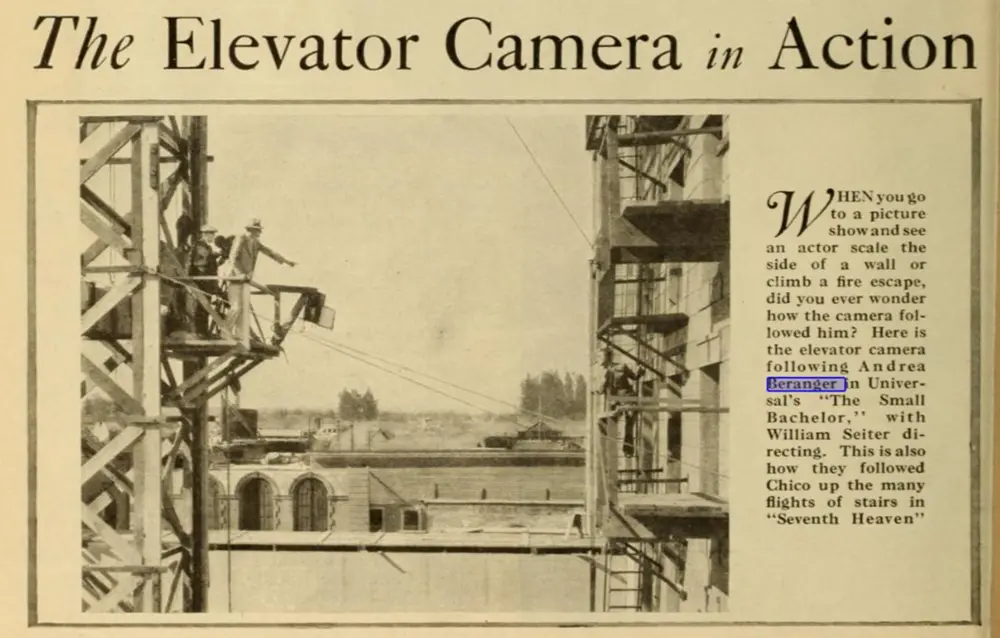
Walter Anthony’s direction of The Small Bachelor is competent and adheres well to the conventions of silent comedy. The film’s visual language is clear, prioritizing the conveyance of plot and emotion through action and expression rather than intricate camera work. This isn't a film that pushes the boundaries of cinematic artistry like, say, Parisette or The Living Image, or the Lady of Petrograd. Instead, it focuses on effective staging and character blocking to deliver its comedic beats.
The cinematography, while not groundbreaking, serves the story well. Shots are generally well-composed, ensuring that the audience can easily follow the action and identify the key players in any given scene. There's a particular sequence involving a chase that, while simple by today's standards, effectively builds tension and provides a dynamic visual break from the more static interior scenes. The use of close-ups is judicious, often employed to highlight a character's reaction or a critical piece of information conveyed through an intertitle, ensuring emotional clarity.
One could argue that the film occasionally suffers from a certain flatness in its visual style. There are few moments that truly 'pop' or leave a lasting visual impression beyond the performances themselves. However, this simplicity also means the film remains accessible and free from overly complex stylistic choices that might detract from its lighthearted narrative. It’s a functional approach to filmmaking, prioritizing clarity and comedic timing over aesthetic innovation. For a Wodehouse adaptation, perhaps that's exactly what's needed – let the absurdity of the situation speak for itself.
The prevailing tone of The Small Bachelor is one of lighthearted romantic comedy, infused with a distinct touch of social satire. It’s a world where wealthy society figures are often depicted as comically self-absorbed or ridiculously scheming, while genuine affection is portrayed as the ultimate, albeit elusive, prize. This satirical edge is a hallmark of Wodehouse’s work, and the film translates it effectively, even without the author’s witty prose directly. The absurdity of the mother’s schemes, contrasted with the simple sincerity of the lovers, provides much of the film’s humor.
Themes of class distinction and the pursuit of wealth versus true love are central. The film implicitly critiques the societal pressures that prioritize advantageous marriages over personal happiness, a common thread in many romantic comedies of the
IMDb 6.5
1932
Community
Log in to comment.