DbcultAccessing Vault...
Cult Review
Senior Film Conservator
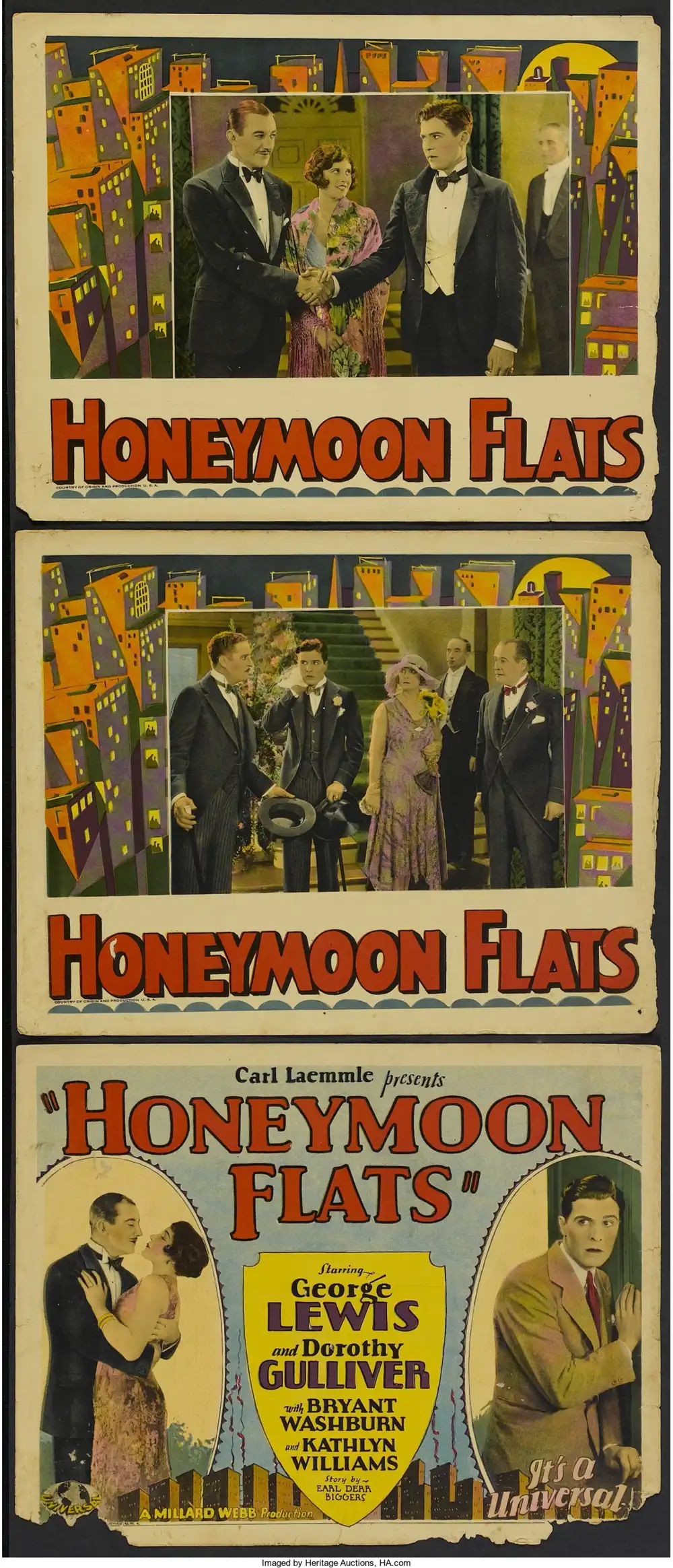
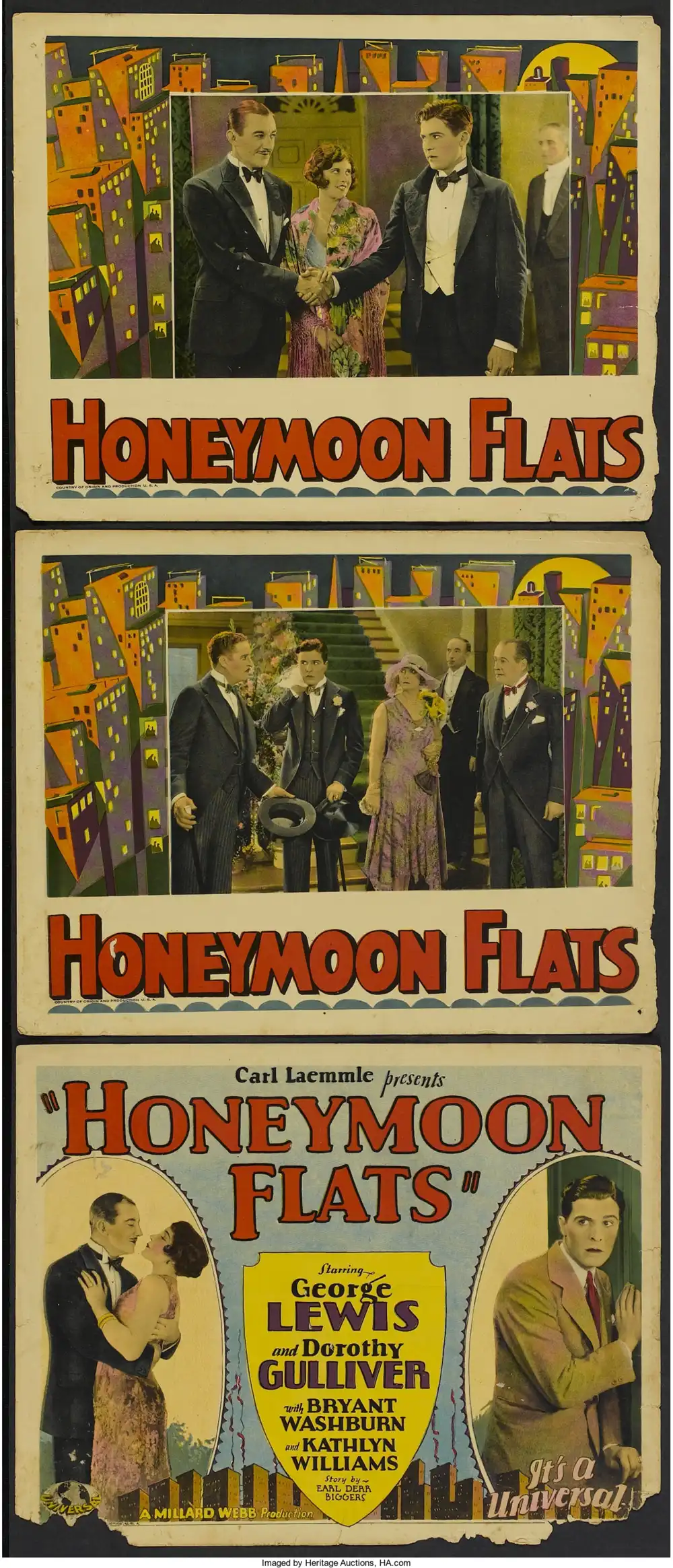
This one, Honeymoon Flats, is a curious little silent picture. If you're into seeing how folks dealt with family drama way back when, or just appreciate the craft of a well-shot silent, yeah, give it a whirl. But if you need car chases or snappy dialogue, you’ll probably find yourself checking your watch. It’s a domestic squabble through and through, dressed up in period finery.
The whole thing kicks off with Lila Garland, played by Dorothy Gulliver, going against her folks, particularly her mother. Mrs. Garland, played with a truly magnificent scowl by Kathlyn Williams, really wanted Lila to marry someone rich. So, when Lila picks Jim Clayton, a perfectly nice but not-wealthy fellow, the stage is set for some serious passive aggression. Or, well, active aggression, depending on how you read silent film acting.
Their new place, "Honeymoon Flats," is practically a character itself. It’s presented as this perfectly fine but decidedly un-fancy suburban development. You can almost feel the movie going, "See? See how humble it is?" Mrs. Garland just can’t stand it. Her whole goal seems to be making Lila miserable with her choice of modest digs. Honestly, it’s a bit much. I mean, the poor couple just wants to live their lives.
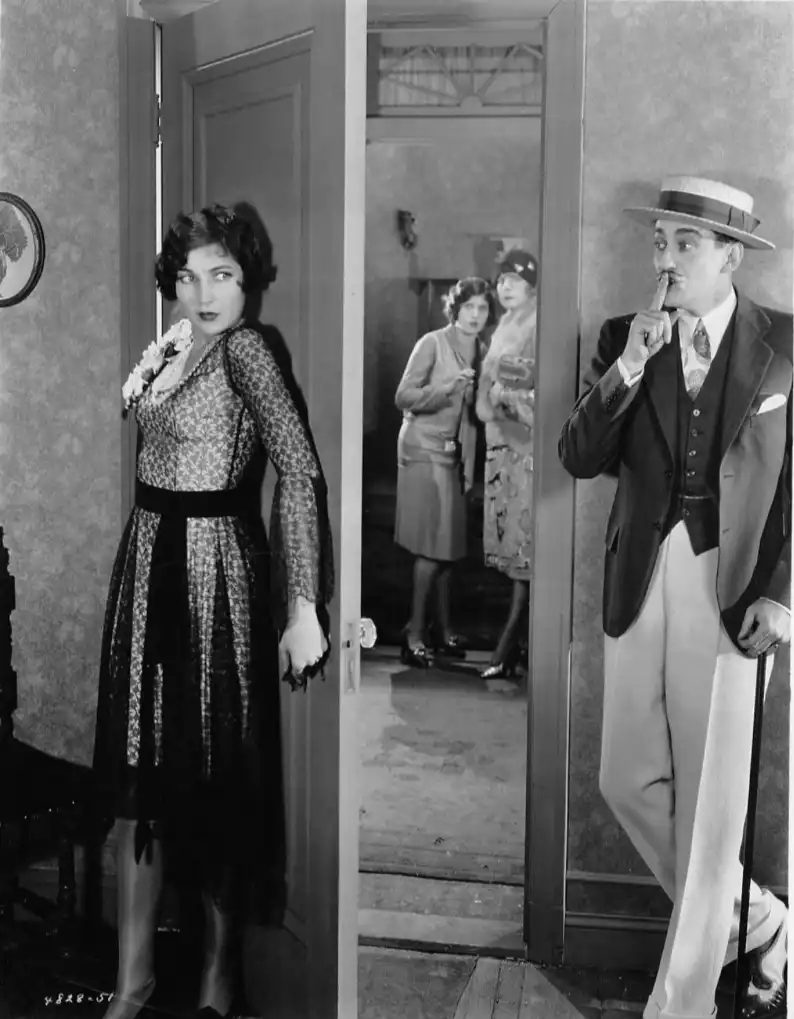
Then there’s Anthony Weir, Lila’s old flame. Ward Crane plays him with this kind of sneaky charm. He just pops up, often right when things are already tense. His visits are never quite explained in a way that feels totally above board. It’s like, what are you even doing here, dude? Just stirring the pot? It certainly felt like it.
Lila and Jim, for their part, try to navigate all this nonsense. George Lewis as Jim has this earnestness about him, but you can feel him getting ground down by the constant parental pressure. Lila, too, seems caught in the middle. There’s a scene where she’s just staring out a window, and you can practically feel her frustration. It’s not flashy acting, but it gets the point across.
The film does a good job of showing how external pressures can really chip away at a new marriage. You see the joy of their early days, then the slow creep of doubt thanks to Mrs. Garland's constant put-downs. She’s really the villain here, not Weir. Weir’s just a distraction.
But then, the ending. Oh, the ending. Suddenly, everything just... resolves. Weir and the Garlands decide to pack up and go to Europe. Problem solved! Poof! It's a little too neat, almost as if the writers just threw up their hands and said, "Let's send them on a boat." It feels a bit like they ran out of ways to logically untangle the mess they’d created. I kept thinking, "Wait, that's it?"
Still, there’s something charming about it. The simple morality play, the clear lines between good and bad intentions. It’s not trying to be anything more than it is. The shots of the Flats themselves, these little identical homes, really stuck with me. It’s a very specific vision of early suburban life, even if the drama inside them is timeless.
It’s definitely a product of its time, but if you’re curious about silent films or just a good old-fashioned family melodrama, you could do worse than spending an hour in Honeymoon Flats. Just don't expect a nuanced conclusion. Sometimes, people just get on a boat.

IMDb 5.4
1928
Community
Log in to comment.