DbcultAccessing Vault...
6.8/10
Senior Film Conservator
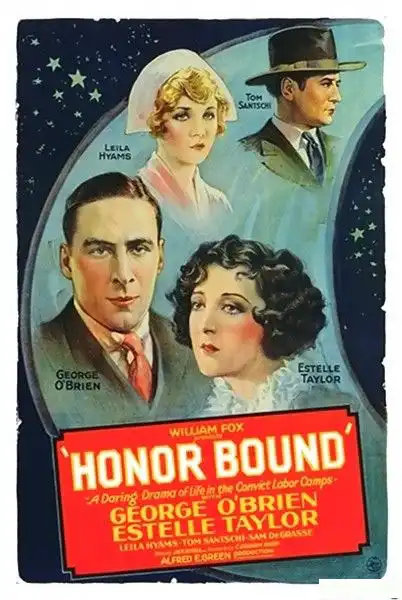
A definitive 6.8/10 rating for a film that redefined the boundaries of cult cinema. Honor Bound remains a cornerstone of transgressive art.
So, should you watch Honor Bound today? Honestly, it’s a qualified yes. If you’re already into silent films, or you’re curious about early Hollywood and want to see how melodrama played out on screen before sound, then absolutely, give it a go. You’ll find some things to appreciate. But if you're coming in cold, expecting something to sweep you away like a modern epic, you'll probably find it a bit of a slog. It’s for the patient, the curious, and maybe those who just want to spot a very young Jean Harlow in a tiny role.
The core premise is pure silent-era gold: noble sacrifice for love. George O’Brien plays Robert Hawley, who steps up to take the rap for the actual culprit, the brother of his sweetheart, Mary (Leila Hyams). This kind of grand, self-sacrificing gesture is the bread and butter of these old stories, and O’Brien certainly looks the part. He’s got that stoic, square-jawed hero thing down. Sometimes, though, it’s a bit too stoic. There are moments where you just want him to react a little more, to let a bit more of the inner turmoil show on his face instead of just a general expression of grim determination.
Leila Hyams, though. She’s the one who really catches your eye. Her performance as Mary feels more nuanced, less like she’s hitting a mark for the camera and more like she’s genuinely feeling the weight of everything. There’s a scene early on, after the incident, where she’s just sitting there, not even looking at O’Brien, and you can practically feel her trying to process the enormity of what’s happened. It’s a quiet moment, but it speaks volumes, and it’s one of the film’s stronger points.
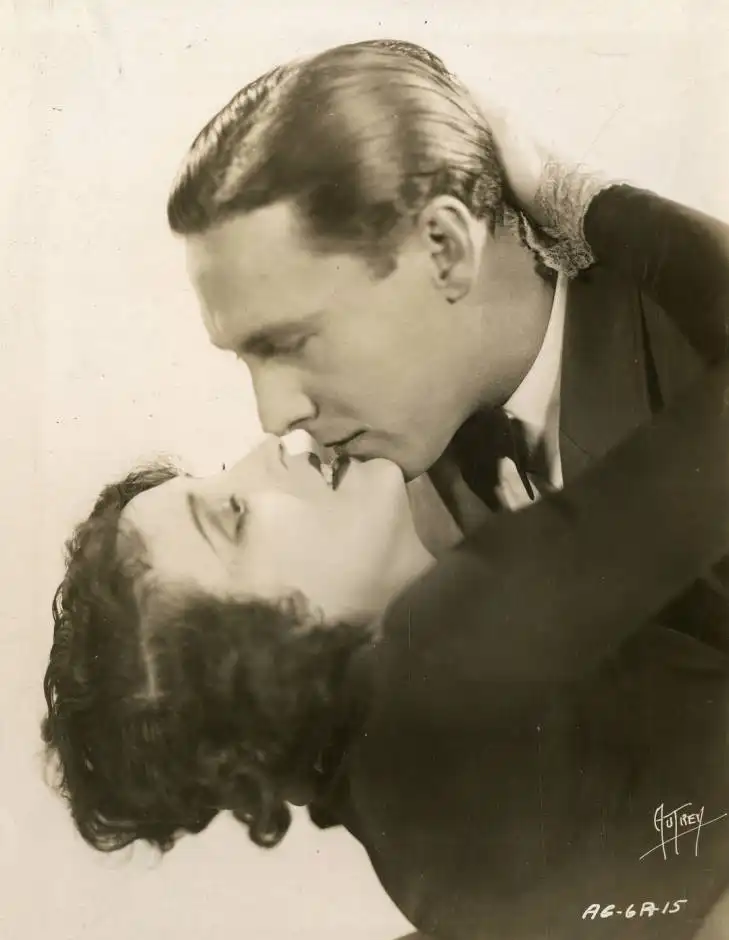
The pacing, unfortunately, is a bit uneven. The beginning rushes through the setup, almost too fast to build real emotional stakes for O’Brien’s sacrifice. Then, once he’s in prison, things slow down dramatically. And I mean dramatically. There are a few too many shots of him looking forlorn in his cell, intercut with Hyams looking distraught outside. It starts to feel repetitive, like the film is trying to stretch out the suffering rather than deepening it. You almost feel the movie trying to convince you this moment matters, instead of just letting it happen.
And speaking of prison, the sets are… functional. They get the job done, but you don’t get much sense of the oppressive atmosphere or the grim reality. It’s a stage, and the actors are performing on it. Which, for 1928, is often the case, but some films from the era manage to pull off a bit more atmosphere.
The intertitles are another mixed bag. Some are genuinely poetic and add to the mood, while others feel a bit clunky, explaining things that are already clear from the action or the actors' expressions. It’s a constant battle with silent films, balancing visual storytelling with the need for text, and Honor Bound doesn't always find the sweet spot. There's a particular stretch of dialogue where the intertitles just keep coming, one after another, and you lose the visual thread for a moment.
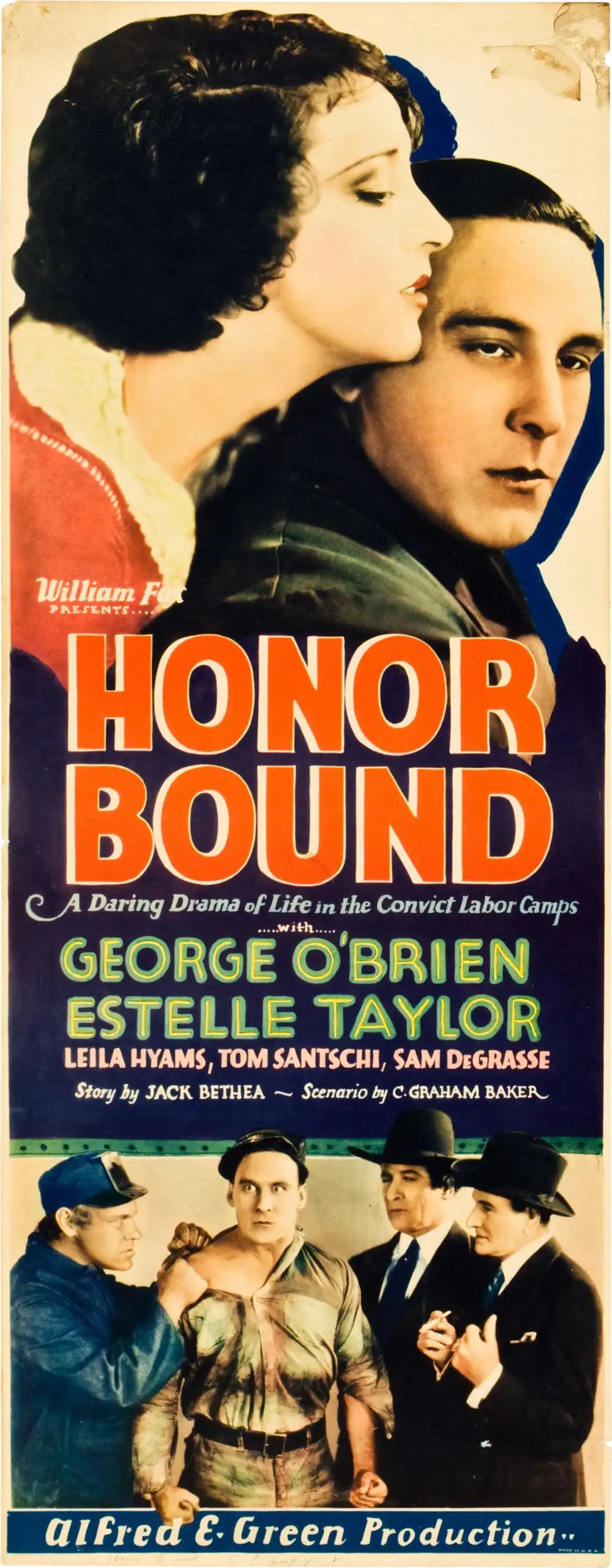
Oh, and Jean Harlow. She's in it, for sure. Her appearance is a tiny, tiny role, almost a walk-on. If you blink, you'll miss her. But it’s a fun little piece of film history, seeing her so early in her career. You can already see a hint of that screen presence, even if she's not given much to do here besides look pretty in the background of a few shots. Her hair is already quite striking, even in black and white, catching the light in a way that hints at her future stardom.
The film does have a few surprisingly effective visual moments. There's a close-up on a hand reaching out, or a specific angle during a tense confrontation, that really works. These moments are fleeting, though. They show a glimpse of what the film could have been if it had maintained that visual ambition throughout.
The ending, as often happens with these old melodramas, wraps things up perhaps a little too neatly. After all the suffering and separation, the resolution feels almost rushed, tying up loose ends with a bow that feels a bit too perfect. It’s satisfying in a simplistic way, but it doesn’t quite earn the emotional payoff it aims for after the long, drawn-out middle section.
Overall, Honor Bound is an interesting watch for what it is: a product of its time. It’s not going to redefine your understanding of cinema, but it offers a solid example of silent-era storytelling, complete with its charms and its flaws. Just go in with the right expectations, and maybe a cup of coffee for the slower bits.
IMDb —
1920
Community
Log in to comment.