DbcultAccessing Vault...
Cult Review
Senior Film Conservator
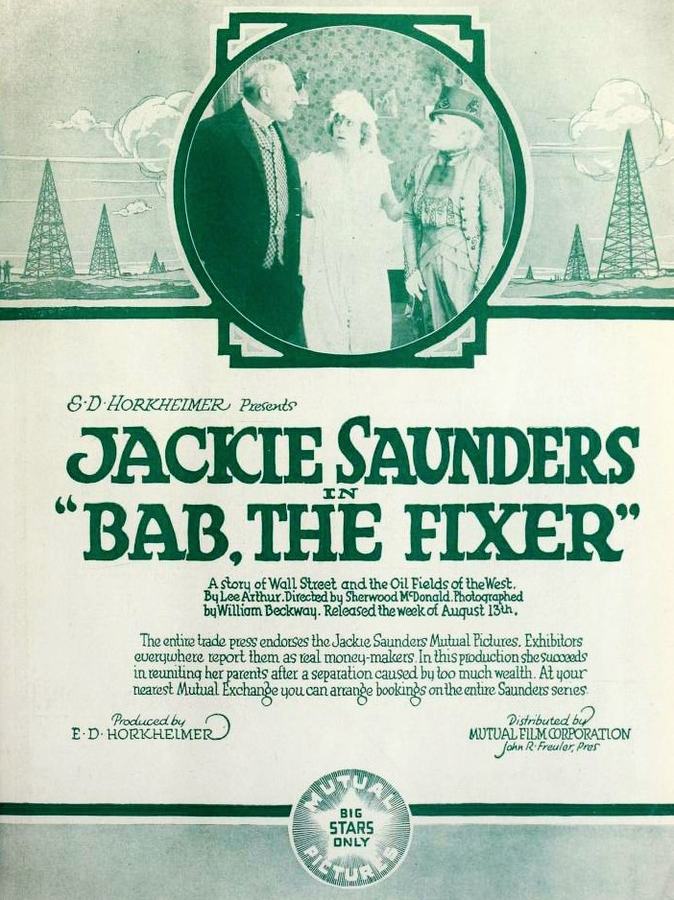
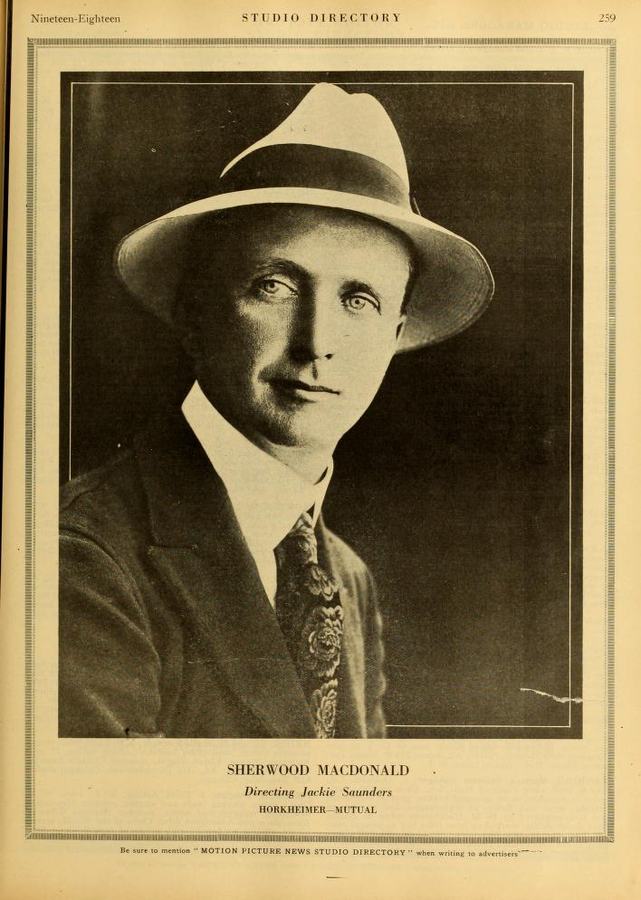
There's a peculiar magic in rediscovering the silent era, a cinematic landscape often overlooked by modern audiences, yet teeming with stories that resonate with surprising contemporary relevance. Among these forgotten gems, Bab the Fixer, a 1917 production, emerges as a particularly engaging testament to the power of a spirited heroine and the timeless allure of family drama intertwined with the rugged individualism of the American West. Directed by Sherwood MacDonald and featuring the multi-talented Jackie Saunders not only in the starring role but also as a co-writer, this film offers a fascinating glimpse into the social dynamics and moral compass of its time, all wrapped in a narrative that champions agency and determination.
The film opens on a familiar, yet perpetually compelling, premise: the precipitous fall from grace. John Porter, a man once accustomed to the dizzying heights of financial prosperity, finds his world unraveling due to ill-advised speculation. This isn't merely a personal tragedy; it's a societal one, reflecting the precariousness of wealth and the often-brutal realities of capitalism. With his wife, a woman still clinging to the vestiges of her lost social standing, and their young daughter, Bab, in tow, Porter embarks on a forced pilgrimage westward. This journey, a common trope in American narratives, from the early pioneers to the Dust Bowl migrants, symbolizes both a retreat from failure and a hopeful venture towards reinvention. The West, in this context, isn't just a geographical location; it's a crucible, a place where fortunes are forged anew, and, crucially, where character is tested and transformed.
Ten years elapse, and the transformation is palpable, particularly in Bab. No longer the delicate Eastern child, she has blossomed into a veritable cowgirl, her spirit as untamed and resilient as the landscape she inhabits. This evolution of Bab is central to the film's appeal. It speaks to a nascent feminism, a celebration of a woman who finds strength and identity not in societal expectations of domesticity or refined manners, but in the practical, often arduous, life of the frontier. Her hands are calloused, her gaze direct, her resolve unwavering. This portrayal stands in stark contrast to her mother, who, despite their rustic surroundings, remains fixated on social climbing, a yearning for the very world of superficiality and status they left behind. This generational and ideological schism sets the stage for much of the film's ensuing conflict.
It is amidst this backdrop of rugged independence and simmering social ambition that Bab encounters Richard Sterling. Sterling, like Bab, is a product of the West’s transformative power, a former clerk who, through sheer acumen and shrewd maneuvering, has amassed a considerable fortune. Their connection is immediate and profound, rooted in a shared understanding of self-made success and an appreciation for genuine character over inherited status. Their romance, however, becomes another battleground for Bab's mother. Her social aspirations, undimmed by years on the ranch, deem Sterling an unsuitable match, presumably due to his perceived lack of 'old money' pedigree or perhaps simply because he doesn't fit into her grander, more stratified vision for Bab's future. This tension between love and social ambition is a theme that echoes through countless narratives, from classic literature to contemporary cinema, highlighting the eternal struggle between personal happiness and external validation.
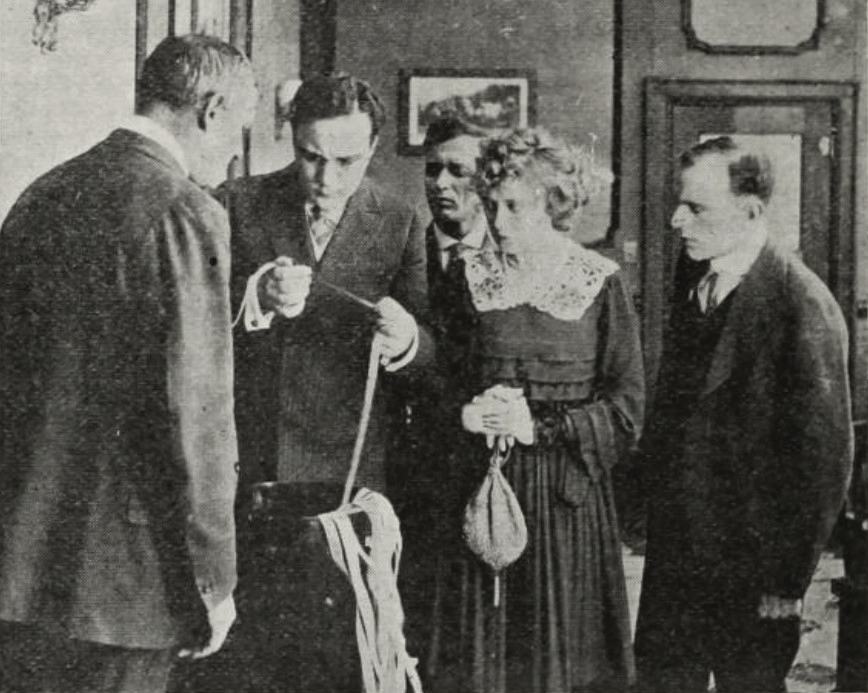
The narrative takes a dramatic turn with the discovery of oil on the Porter ranch. This sudden influx of wealth acts as a catalyst, exacerbating existing tensions and providing Bab's mother with the perfect lever to implement her long-held social designs. For her, the oil isn't just money; it's a ticket back to the East, a means to re-enter the very circles she felt she belonged to. Seizing this opportunity, she dispatches Bab to a finishing school, a strategic move designed to 'civilize' her daughter, to polish away the frontier grit, and to mold her into the kind of woman who could secure a socially advantageous marriage. This forced separation from Sterling and her beloved Western life is a poignant moment, underscoring the power dynamics within the family and the mother's unwavering, if misguided, determination.
Upon her return for vacation, Bab is confronted with a new, equally devastating reality: her parents have separated. The very ambition that drove her mother to send Bab away has, ironically, fractured the family unit. This revelation serves as Bab's call to action, transforming her from a character acted upon to the titular 'fixer.' Her mission is dual-pronged and deeply personal. First, she resolves to mend her parents' fractured marriage, a task that requires navigating their individual grievances and rekindling a lost connection. This element of the plot delves into the complexities of marital strife and the often-unseen emotional labor involved in familial reconciliation. Secondly, and with equal determination, she sets out to secure her own union with Sterling, asserting her right to choose her own path and partner, irrespective of her mother's social dictates.
Bab's journey is not merely about achieving happy endings; it's a powerful narrative about agency. In an era where women's roles were often circumscribed, Bab stands out as a proactive force, taking charge of her destiny and, indeed, the destinies of those around her. She embodies a strength and resourcefulness that transcends the conventional expectations of her time. Her efforts to 'fix' everything are not born of naivete, but of a deep-seated conviction in the power of love, connection, and self-determination. The film, through Bab's character, subtly critiques the superficiality of social climbing and champions the authentic bonds of family and genuine affection.
One cannot discuss Bab the Fixer without acknowledging the formidable talent of Jackie Saunders. Not only did she deliver a captivating performance as Bab, embodying both the character's rugged charm and her unwavering resolve, but she also contributed to the film's screenplay alongside Lee Arthur. This dual role as both star and writer is significant, offering a glimpse into the creative control and influence some actresses wielded during the silent era. Saunders' involvement in shaping Bab's character undoubtedly imbued the role with an authenticity and depth that might have been absent otherwise. Her portrayal of Bab is nuanced, depicting a young woman who, despite her rough-and-tumble exterior, possesses a keen emotional intelligence and a profound sense of loyalty. This kind of multifaceted female protagonist was not always common, making Bab a character ahead of her time, akin to the strong female leads seen in later films like The Valley of the Moon, where women often navigate complex social and personal landscapes with remarkable resilience.
The thematic tapestry of Bab the Fixer is rich and varied. At its core, it explores the enduring American fascination with social mobility and the pursuit of wealth. John Porter's initial downfall and Richard Sterling's rise from clerk to magnate highlight the fluid nature of fortune in a rapidly industrializing nation. Yet, the film subtly critiques the emptiness of wealth divorced from genuine connection, a sentiment echoed in narratives like The Law of Compensation, which often explored the moral dimensions of financial success and failure. Bab's mother's relentless social climbing, in contrast to Bab's grounded pragmatism, serves as a cautionary tale about prioritizing appearances over substance. The East vs. West dichotomy is also powerfully rendered; the East represents old money, rigid social structures, and superficiality, while the West symbolizes opportunity, authenticity, and a more meritocratic society.
From a cinematic perspective, Bab the Fixer, like many silent films, relied heavily on visual storytelling, exaggerated gestures, and intertitles to convey emotion and plot. While specific details about cinematography or direction by Sherwood MacDonald are scarce without direct access to the film, one can infer the use of sweeping Western landscapes to emphasize Bab's connection to nature and freedom. The contrast between the open expanses of the ranch and the presumably more confined, ornate settings of the Eastern finishing school would have visually underscored the film's thematic concerns. The acting style, typical of the era, would have been more theatrical, emphasizing clear emotional expressions to compensate for the lack of dialogue. Yet, within these conventions, talented actors like Saunders managed to convey profound internal states, drawing audiences into Bab's emotional journey. The narrative's clear progression and strong character arcs are indicative of a well-structured screenplay, a testament to Saunders and Arthur's writing.
In an era that often glorified masculine heroes and tales of adventure, Bab the Fixer presents a compelling counter-narrative, placing a resourceful young woman at the center of its universe. Bab's proactive approach to resolving her family's issues and securing her own happiness feels remarkably modern. She doesn't wait for a hero to rescue her; she takes matters into her own hands, demonstrating a tenacity that would inspire audiences then and now. Her journey from a child of misfortune to a self-assured woman who orchestrates her own destiny is a powerful testament to the human spirit's capacity for resilience and self-determination. This theme of a strong, independent female character taking charge of her own fate can be observed in other silent films, such as The Lifted Veil, which often explored women's struggles and triumphs in a society undergoing rapid change.
The film’s resolution, with Bab successfully mending her parents' marriage and uniting with Sterling, provides a satisfying sense of closure, but it's the journey, rather than just the destination, that truly captivates. It's a journey filled with the clash of values, the pain of separation, and the triumph of genuine affection over superficial ambition. Bab the Fixer, therefore, is more than just a silent Western romance; it’s a story about finding one's true self, asserting one's will, and, ultimately, fixing not just external problems, but the very fabric of one's life. It reminds us that even in the absence of spoken words, the power of a well-told story, driven by compelling characters and universal themes, can transcend the decades, offering insights into both the past and the enduring human condition. Its enduring relevance lies in its portrayal of a young woman who refuses to be a passive observer of her own life, choosing instead to be its principal architect, a 'fixer' in the truest and most empowering sense of the word. Much like the complex familial dynamics explored in films like Madame X, though in a different context, the emotional core of family reconciliation and self-sacrifice remains profoundly impactful in 'Bab the Fixer,' making it a timeless narrative that continues to resonate with audiences interested in the evolution of cinematic storytelling and the enduring power of human connection.

IMDb —
1934
Community
Log in to comment.