DbcultAccessing Vault...
Cult Review
Senior Film Conservator
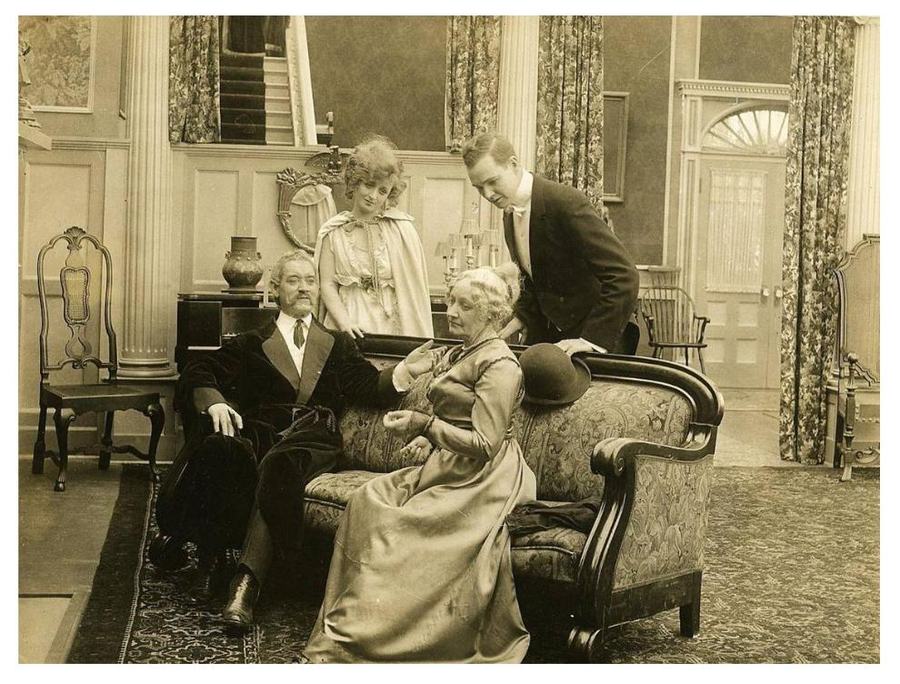
Stepping back into the hallowed halls of early cinema, one often encounters narratives that, despite their age and the absence of synchronized sound, resonate with a profound, almost primal emotionality. J.G. Hawks's Honor Thy Name is precisely such a film, a silent era masterpiece that delves into the intricate tapestry of Southern aristocracy, the seductive pull of forbidden love, and the crushing weight of familial duty. Released during a period when societal values were in flux and the rigid structures of tradition were beginning to chafe against burgeoning modern sensibilities, this picture offers a fascinating glimpse into the moral quandaries that defined an era. It's a story steeped in the grand, melodramatic traditions of its time, yet it manages to transcend mere spectacle to deliver a poignant exploration of sacrifice, reputation, and the enduring, often tragic, complexities of the human heart.
The narrative unfurls within the stately confines of a proud Southern family, a lineage whose very existence is predicated upon the unblemished preservation of its name and standing. Here, we meet a young man, portrayed with a compelling blend of youthful idealism and naive vulnerability by Charles Ray, who is the veritable torchbearer of his aristocratic heritage. He embodies the hopes and dreams of generations, a living testament to the virtues his family holds dear. His future, meticulously charted and universally anticipated, promises a continuation of the family's esteemed legacy, a life lived within the protective embrace of tradition and societal approval. Every gesture, every aspiration, every prospective alliance is meticulously scrutinized, not merely for personal happiness, but for its potential impact on the collective honor of the clan. The Southern setting itself is more than just a backdrop; it is a character in its own right, a repository of deeply ingrained customs, codes of conduct, and an almost sacred reverence for lineage and reputation. This is a world where a name is not just an identifier, but a covenant, a sacred trust passed down through time. To tarnish it is to commit an unforgivable transgression, a betrayal not just of living relatives, but of all who came before.
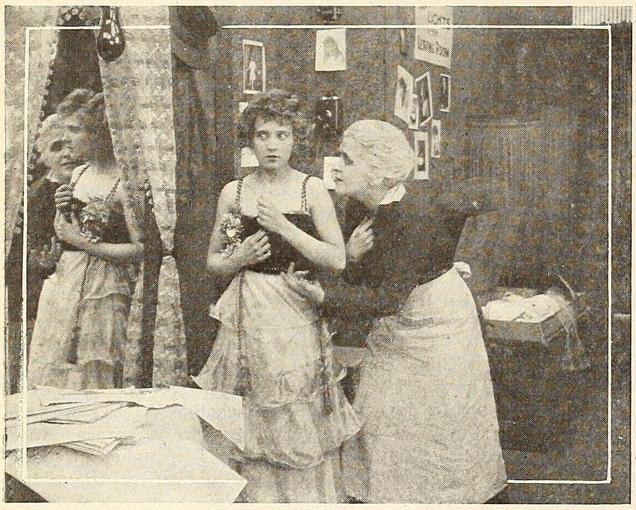
However, this meticulously constructed edifice of expectation is destined to crumble under the intoxicating influence of an external force: the Broadway vamp known only as "The Moth." Louise Glaum, in a performance that crackles with dangerous allure, embodies this character with a captivating intensity that makes her an unforgettable presence. "The Moth" is not merely a woman; she is a symbol, an embodiment of the vibrant, perhaps even scandalous, energy emanating from the burgeoning urban centers, particularly New York's theatrical world. Her very existence is a stark antithesis to the staid, genteel world of the Southern aristocracy. She represents a different kind of freedom, one unburdened by ancestral mandates or the suffocating weight of social convention. Her theatrical background, her flamboyant persona, and her reputation as a "vamp" — a term loaded with moralistic judgment in the early 20th century — make her an irresistible, yet ultimately destructive, force. She is the exotic bloom in a garden of cultivated roses, a creature of dazzling light and shadow that promises excitement but threatens to scorch all it touches. The silent film era had a particular fascination with the vamp archetype, often portraying these women as both objects of desire and agents of moral decay. Glaum's portrayal here is reminiscent of other powerful female figures of the time, though perhaps with a more explicit edge of danger than a character like Marguerite Gautier in Camille, who, despite her societal standing, often elicits more sympathy than outright condemnation. "The Moth" is designed to be a disruptive force, a living embodiment of the temptations that can lure a man away from his prescribed path, and Glaum plays her with an exquisite balance of charm and calculated manipulation. Her allure is not just physical; it is an allure of a different life, a life free from the suffocating demands of ancestral honor.
The young man, caught in the web of "The Moth's" enchantment, is tragically ill-equipped to resist her siren song. Charles Ray masterfully conveys his character's profound naivete and the intoxicating power of first love, or perhaps, infatuation. His decision to marry "The Moth" is not merely a personal choice; it is an act of seismic rebellion, an unforgivable affront to everything his family holds sacred. The marriage shatters the carefully constructed future his family had envisioned for him, transforming their pride into a gaping wound of shame and disillusionment. He is an unwitting pawn in a larger game, a man blinded by passion, oblivious to the far-reaching consequences of his impulsive actions. His descent into a life so utterly alien to his upbringing is painted with broad, expressive strokes, highlighting the chasm that opens between his past and his new, scandalous present. This dramatic shift underscores the rigid expectations of the time; a man of his standing simply did not marry a woman of "The Moth's" ilk without severe social repercussions. The film effectively portrays this societal condemnation, not through dialogue, but through the reactions of his family, the hushed tones, the averted gazes, and the palpable sense of disgrace that permeates their once-proud home. His story, in a way, echoes the tragic trajectory of individuals who, in challenging entrenched norms, often find themselves ostracized, a theme explored in various forms across early cinema, sometimes with a more sympathetic lens, as seen in The Foolish Virgin, though here the focus remains on the family's perspective.
It is the father, portrayed with towering gravitas and a heart-wrenching intensity by Frank Keenan, who becomes the true tragic hero of Honor Thy Name. His performance is a masterclass in silent film acting, conveying a maelstrom of emotions — dignity, despair, unwavering love, and a profound sense of patriarchal duty — with remarkable subtlety and power. For him, the son's scandalous marriage is not just a personal disappointment; it is an existential threat to the very fabric of his family's honor, a stain that must be expunged at all costs. His love for his son, however, remains paramount, driving him to concoct a desperate and morally ambiguous plan to rescue the young man from "The Moth's" perceived clutches. This is where the film delves into its most profound ethical dilemmas. What is a father willing to sacrifice to save his son, not just from a woman, but from a life of perceived ignominy? The patriarch's burden is immense, a crushing weight of responsibility that forces him to confront the limits of his own morality. He is a man caught between an unyielding code of honor and an equally unyielding paternal affection. His machinations are not born of malice, but of a deeply ingrained belief in the sanctity of his family's name and the future of his progeny. This internal conflict, the silent torment etched onto Keenan's face, is arguably the most compelling aspect of the entire film. It’s a performance that speaks volumes without uttering a single word, a testament to the power of visual storytelling and the actor's ability to convey complex emotional states. The father's desperate measures can be seen as a distorted reflection of the protective instincts found in films like The Battle of Hearts, where familial bonds drive extreme actions, but here, the stakes feel even higher, intertwined with the very identity of a Southern dynasty.
The father's plot, meticulously conceived and executed, culminates in a profound and ultimately heart-rending personal sacrifice. The specifics of this sacrifice are best experienced within the film itself, but its impact is universal: it is an act of selflessness so profound that it paradoxically both upholds and irrevocably tarnishes the very honor it seeks to preserve. The irony is excruciating. In striving to restore his family's untarnished reputation, the patriarch is compelled to undertake actions that, in another context, would themselves be considered dishonorable. This creates a powerful and tragic paradox, forcing the audience to grapple with the complex nature of morality and the often-unforeseen consequences of noble intentions. Does the end justify the means when the stakes are so high? The film leaves this question hanging in the air, a testament to its thematic depth. The sacrifice is not merely a plot device; it is the emotional core of the narrative, a poignant exploration of the lengths to which love and duty can drive an individual. It’s a moment that resonates with the kind of profound, almost religious, self-denial seen in the most impactful dramas of the era, elevating the film beyond simple melodrama. This profound act of self-abnegation, undertaken for the sake of a greater, familial good, is a recurring motif in human storytelling, sometimes celebrated, sometimes lamented, but always leaving an indelible mark. It forces the audience to consider the true cost of legacy and the often-painful choices demanded by an unwavering sense of duty, a theme that might find distant echoes in the ultimate choices made in films like The Price of Tyranny, where personal sacrifice challenges established power structures.
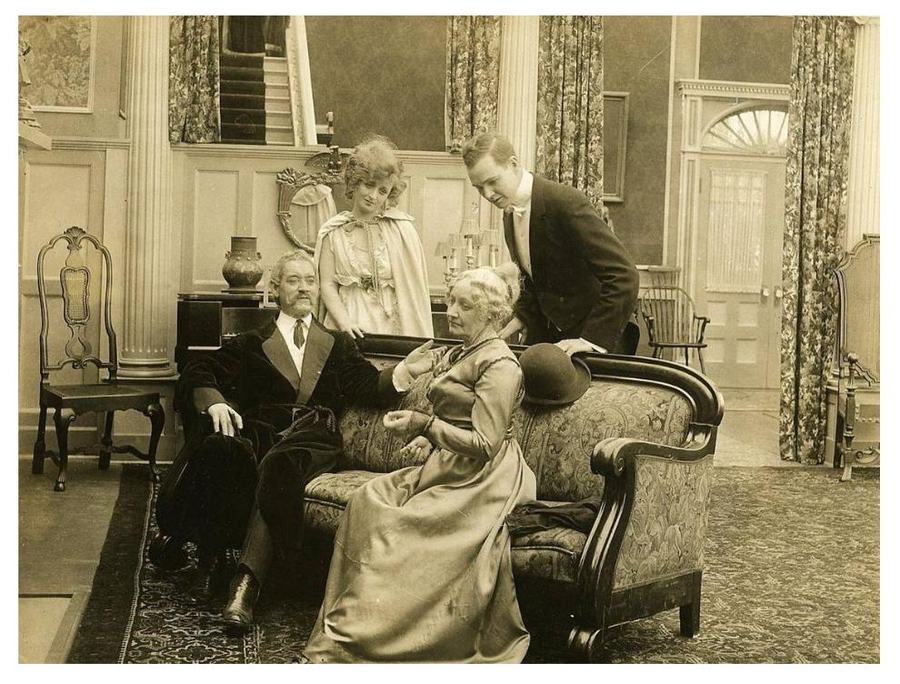
At its heart, Honor Thy Name is a gripping study of honor versus love and desire. The film starkly contrasts the rigid adherence to societal expectations and the passionate, often destructive, pull of individual yearning. The young man's desire for "The Moth" flies directly in the face of his family's cherished honor, setting in motion a chain of events that exposes the fragility of reputation when confronted with raw human emotion. This fundamental conflict is universal, transcending the specific historical context of the film. Moreover, the narrative provides a compelling commentary on class and societal expectations. The chasm between the aristocratic Southern family and the Broadway vamp is not just cultural; it is a symbol of the deeply entrenched social stratification of the era. "The Moth" embodies the perceived moral laxity of the urban entertainment world, a direct threat to the perceived purity and tradition of the Southern gentry. The film explores how these societal boundaries, while seemingly unyielding, can be breached by individual choices, albeit with devastating consequences. The generational clash, the struggle between old money and new ideas, between tradition and modernity, forms a powerful undercurrent throughout the entire story. It is a microcosm of the larger societal shifts occurring in America at the time.
Beyond these, the film delves deeply into the theme of parental duty and sacrifice. The father's actions, however extreme, are undeniably motivated by a profound love for his son and an unwavering commitment to his family's legacy. His sacrifice is the ultimate expression of this duty, a poignant testament to the lengths a parent will go to protect their child, even from themselves. This aspect of the narrative elevates the film from a simple melodrama to a more profound meditation on familial bonds and the burdens they entail. The question of redemption and consequences is another central pillar of the film's thematic architecture. Does anyone truly achieve redemption in this narrative? Or are the consequences of their actions, particularly the father's sacrifice, so profound that they leave an indelible mark on all involved, perhaps even precluding true absolution? The film forces its audience to ponder whether certain choices, once made, can ever be fully undone, or if their reverberations are felt for generations. The very concept of the "vamp" archetype, epitomized by "The Moth," also serves as a thematic lens. She is a fascinating, if morally ambiguous, character who challenges the prescribed roles for women in society. Her independence, her allure, and her agency, however manipulative, represent a departure from the demure ideals often celebrated in earlier narratives. Her presence forces a re-evaluation of what constitutes 'good' and 'bad' behavior, particularly for female characters, a conversation that would continue to evolve throughout cinema history. This exploration of the 'vamp' as a cultural phenomenon is a compelling aspect of the film, highlighting societal anxieties about female empowerment and changing moral landscapes.
The brilliance of Honor Thy Name lies not just in its compelling narrative, penned by J.G. Hawks with a keen understanding of dramatic tension and human foibles, but also in the extraordinary performances of its cast. Frank Keenan, as the tormented patriarch, delivers a performance that transcends the limitations of silent film. His expressive face, his deliberate gestures, and his commanding presence convey a depth of emotion that is utterly captivating. He embodies the weight of tradition and the agony of paternal love with remarkable authenticity. Louise Glaum, as "The Moth," is equally magnetic. Her performance is a masterclass in silent film sensuality and calculated charm. She uses her eyes, her posture, and her subtle smiles to convey a complex character who is both alluring and dangerous, a true femme fatale of the era. Her ability to project such a vivid persona without uttering a single word is a testament to her acting prowess, allowing her to stand alongside other iconic silent screen sirens. Charles Ray, as the impressionable son, perfectly captures the youthful idealism and eventual despair of his character. His transition from a proud scion to a man entangled in a scandalous affair is portrayed with nuanced vulnerability.
The supporting cast also contributes significantly to the film's rich tapestry. John Vosper, Gertrude Claire, George Fisher, Aggie Herring, Blanche White, Harvey Clark, and Dorcas Matthews, though perhaps with less screen time, each contribute to the authentic portrayal of the Southern aristocratic world and the broader societal reactions to the central drama. Their collective presence helps to ground the more melodramatic elements of the plot in a believable social context. The direction of the film, characteristic of its era, relies heavily on visual storytelling, expressive acting, and the strategic use of intertitles to convey dialogue and crucial plot points. The cinematography, while perhaps not groundbreaking by today's standards, effectively uses light and shadow to create mood and emphasize emotional states. The pacing, typical of silent features, allows for a deliberate unfolding of the drama, giving the audience ample time to absorb the emotional impact of each scene. The use of close-ups, particularly on Keenan's and Glaum's faces, is highly effective in conveying their characters' inner turmoil and machinations. The film’s ability to sustain such intense dramatic tension without spoken words is a hallmark of the finest silent cinema, and Honor Thy Name certainly belongs in that distinguished company. It captures a specific moment in cinematic history when the art of visual narrative was being honed to its keenest edge, relying solely on image, gesture, and the evocative power of music (often performed live during screenings) to tell its profound story. Its narrative construction, while adhering to the conventions of its time, still manages to deliver a powerful emotional punch, demonstrating the enduring craft of J.G. Hawks and the entire production team. Films like Milestones of Life and Saints and Sorrows similarly relied on strong performances and dramatic narratives to captivate audiences, underscoring the era's focus on moral dilemmas and human struggle.
Even a century after its release, Honor Thy Name retains a remarkable power to captivate and provoke thought. Its exploration of themes such as the crushing weight of expectation, the intoxicating nature of forbidden desire, the profound sacrifices made for family, and the complex interplay between honor and love remains as relevant today as it was in the silent era. The film serves as a powerful reminder of the enduring human dilemmas that transcend time and technological advancements in filmmaking. It stands as a testament to the artistry and emotional depth achievable in silent cinema, proving that a story well told, with compelling characters and universal themes, needs no dialogue to resonate deeply within the human psyche. It invites modern audiences to look beyond the perceived limitations of silent film and discover the rich, nuanced storytelling that defined this foundational period of cinematic history. This enduring appeal is a marker of truly great art, an ability to speak across generations, fostering understanding of past eras while reflecting on the timeless aspects of the human condition. It reminds us that while the societal norms may shift, the fundamental struggles of love, duty, and identity remain constant, making it a valuable piece for anyone interested in the evolution of dramatic storytelling. Just as From the Manger to the Cross offered a timeless spiritual narrative, Honor Thy Name offers a timeless secular one, firmly embedding itself in the cultural consciousness of its time and beyond.
In its grand, tragic sweep, Honor Thy Name offers more than just a historical artifact; it presents a mirror reflecting the eternal conflicts that define our existence. It is a powerful, poignant drama that underscores the often-heartbreaking cost of love, duty, and the relentless pursuit of an unblemished name.
IMDb —
1916
Community
Log in to comment.