DbcultAccessing Vault...
5.7/10
Senior Film Conservator
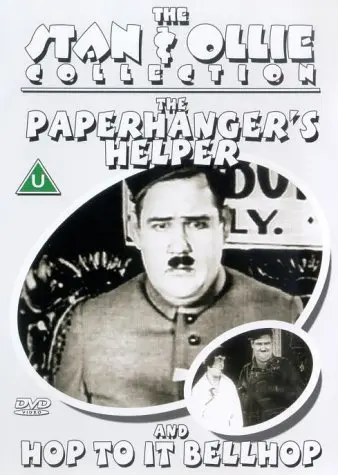
A definitive 5.7/10 rating for a film that redefined the boundaries of cult cinema. Hop to It! remains a cornerstone of transgressive art.
A Symphony of Chaos: Dissecting the Mayhem of Hop to It!
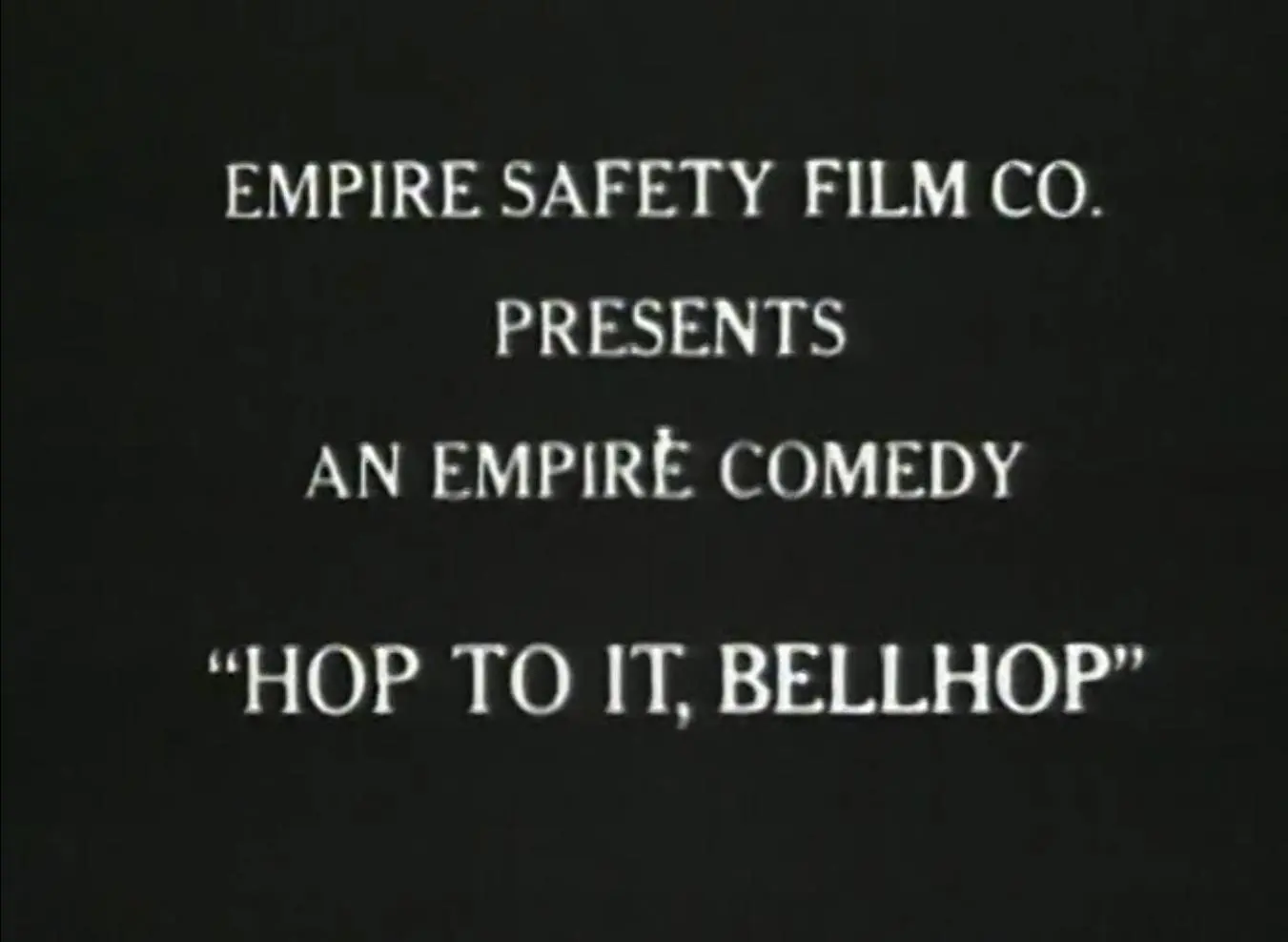
Hop to It! arrives as a vintage comedy that thrives on the collision of order and anarchy. In a world where luxury hotels are sanctuaries of control, the film introduces two bellhops whose idea of a "stellar guest experience" involves a series of gloriously botched interventions. Bobby Ray and Frank Alexander, as the titular disruptors, inject a frenetic energy into every scene, their performances a masterclass in physical comedy. The script, penned by Ted Burnsten, leans into the tradition of classic farce while carving its own niche—a blend of Pussyfoot-style absurdity and the structured chaos of Under Four Flags, yet uniquely its own.
The Art of the Botched Welcome
The film’s opening act sets the tone with a meticulous disarray. The hotel, a gleaming monument to mid-century opulence, is juxtaposed against the bellhops’ slapdash approach to their duties. When a high-profile guest (Janet Dawn) checks in, the duo’s attempts to impress her—think over-the-top luggage handling, mistaken identities, and a misdirected tour of the building’s more precarious architectural features—form a crescendo of mishaps. These sequences are not merely gags but a study in how far a comedy can stretch the plausibility of a scenario while keeping the audience in stitches. The film’s genius lies in its refusal to apologize for its own incoherence; it’s a comedy that trusts its audience to find joy in the unraveling.
Character Dynamics and Comedic Chemistry
Bobby Ray and Frank Alexander’s performances are a dialectic of contrasts—one a high-energy provocateur, the other a deadpan straight man with a knack for escalating the absurdity. Their rapport is the film’s heartbeat, reminiscent of Laurel and Hardy’s timeless dynamic but with a sharper edge of self-awareness. Janet Dawn’s character, initially poised and composed, becomes both a victim and an unwilling participant in their antics. Her reactions—a mix of exasperation and reluctant amusement—ground the film in a semblance of emotional logic, preventing it from devolving into pure anarchy. Oliver Hardy’s cameo as the concierge is a masterstroke, his physical comedy a nod to silent-film traditions while seamlessly integrating into the film’s modern (for 1930s standards) aesthetic.
Visual and Narrative Architecture
Burnsten’s script is a labyrinth of visual humor, where every set piece—a grand staircase, a meticulously arranged lobby, a rooftop garden—becomes a stage for escalating chaos. The hotel itself is a character, its pristine design constantly at odds with the bellhops’ antics. This interplay is reminiscent of The Writing on the Wall, which also uses setting as a narrative battleground. Yet Hop to It! distinguishes itself by treating the environment as both a challenge and a collaborator. The set pieces are meticulously designed to maximize comedic impact, with doors that swing open at the worst possible moments and props that seem to have a life of their own.
Themes and Subtext: Beyond the Laughter
Beneath the surface-level humor lies a subtle critique of institutional rigidity. The hotel’s management, epitomized by a stern yet futilely authoritative Spencer Bell, represents the old guard—those who believe that rules can stifle chaos. The bellhops, conversely, embody a more anarchic spirit, suggesting that sometimes the best solutions arise from embracing the unexpected. This tension is never overtly discussed but is felt in every scene, giving the film a philosophical depth often missing in pure farce. It’s a theme that resonates with the era’s shifting social dynamics, though the film never preaches; it simply laughs.
Technical Execution and Legacy
The film’s technical achievements are noteworthy, particularly in its use of sound and editing. The sound design—crash of a toppled chandelier, the sharp *clack* of a misplaced key—is used with precision to amplify the physical comedy. The editing, though brisk, never feels rushed, allowing each gag to land while maintaining a brisk pace. These elements place Hop to It! in conversation with The Golem (1920), which similarly used technical ingenuity to enhance its narrative, albeit in a very different genre.
Comparisons and Context
While Hop to It! shares DNA with films like Handcuffs or Kisses—both thriving on mistaken identities and chaotic encounters—it diverges in its embrace of pure, unfiltered mayhem. Unlike Should Brides Marry?, which balances comedy with romantic subplots, Hop to It! is a single-minded ode to disorder. Its closest cousin is Nattens datter II, though the latter’s darker tone is replaced here by a buoyant, almost childlike sense of play.
Final Verdict: A Timeless Farce
Hop to It! endures not despite its chaos but because of it. It’s a film that understands that the best comedies are those that let the audience lose control of expectations. The bellhops’ antics, though nonsensical, form a coherent language of laughter—one that transcends time and cultural shifts. For viewers seeking a film that celebrates the art of the well-executed joke, this is a must-watch. It’s a reminder that sometimes, the point isn’t to make perfect sense but to make people smile in the process.
IMDb 6.7
1935
Community
Log in to comment.