DbcultAccessing Vault...
6.9/10
Senior Film Conservator
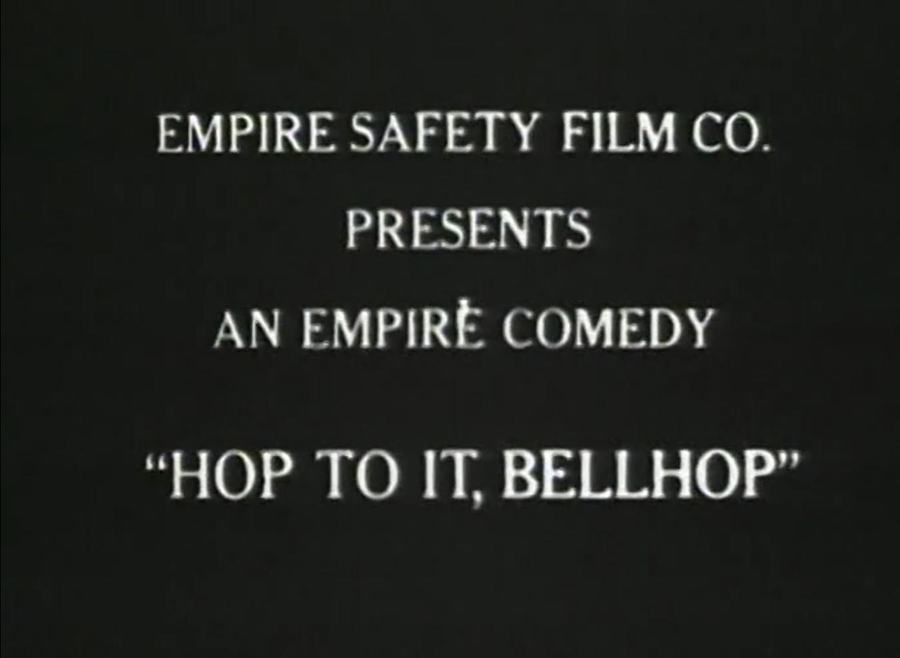
A definitive 6.9/10 rating for a film that redefined the boundaries of cult cinema. Hop to It, Bellhop remains a cornerstone of transgressive art.
In the bustling, often bewildering, landscape of early 20th-century cinema, certain films emerge not just as artifacts of their time, but as vibrant, enduring testaments to the power of visual storytelling and the universal language of laughter. `Hop to It, Bellhop` is precisely one such cinematic gem, a riotous explosion of physical comedy and escalating absurdity that encapsulates the very essence of the silent era's comedic brilliance. It plunges us headfirst into the chaotic microcosm of a grand hotel, where the veneer of sophistication is constantly threatened by the bumbling antics of its most unassuming employees: the bellhops.
At the heart of this delightful pandemonium are two figures whose very presence promises a good deal of comedic friction. Oliver Hardy, even in these nascent stages of his legendary career, displays the nascent flourishes of the persona that would later define him: the exasperated, often pompous, yet ultimately good-hearted figure whose attempts at maintaining dignity invariably lead to magnificent failure. His partner in crime, or rather, in comedic misfortune, Billy Armstrong, provides an excellent foil, his perhaps more frantic energy and wide-eyed bewilderment complementing Hardy’s more deliberate, if equally doomed, endeavors. Their dynamic, even without the spoken word, is remarkably well-defined, relying on exaggerated gestures, expertly timed reactions, and a shared propensity for finding themselves in the most outlandish predicaments.
The film’s narrative, simple yet robust enough to support a cascade of gags, centers on the titular bellhops as they navigate a hotel populated by an eccentric array of guests and, more importantly, a series of increasingly complicated situations involving ‘dames,’ ‘baths,’ and crucially, ‘bags of loot.’ The ‘dames’ of the hotel are not merely background figures; they are catalysts, objects of misguided affection, and sources of profound misunderstanding. Their presence often serves to ignite the initial sparks of chaos, whether through flirtatious glances that distract our heroes from their duties, or through demands that send them scrambling into impossible tasks. The film leverages the prevailing social mores and comedic tropes of the time, where interactions between male service staff and female guests could easily become a minefield of potential faux pas, ripe for comedic exploitation. The bellhops’ attempts to impress or assist these women invariably backfire, leading to a delightful sequence of accidental slights, misinterpreted intentions, and a general erosion of their professional composure. This particular aspect of the film, while rooted in the sensibilities of its era, still manages to elicit chuckles through the sheer earnestness of the bellhops' blunders.
Then there are the ‘baths,’ which in `Hop to It, Bellhop`, transcend their mundane function to become arenas of pure, unadulterated slapstick. Imagine the grand, porcelain-clad bathrooms of a luxury hotel transformed into stages for aquatic mayhem. The film expertly utilizes the setting for a series of escalating physical gags: mistaken identities leading to unexpected plunges, the chaotic struggle to retrieve dropped items from soapy depths, and the inevitable, embarrassing exposure of bellhops in various states of disarray. The comedy here is delightfully physical, reminiscent of the early works that established the very grammar of slapstick. It is in these scenes that the film truly shines, demonstrating a mastery of visual storytelling where the absence of dialogue only heightens the impact of every splash, every tumble, every frantic scramble. One might draw a parallel to the intricate Rube Goldberg-esque comedic setups seen in films like The Sunbeam, where intricate mechanical failures lead to humorous results, or even the more direct physical confrontations found in early action-comedies. However, `Hop to It, Bellhop` keeps its focus tightly on the human element of clumsiness and bad luck.
But the true engine of the film's escalating tension and humor lies in the ‘bags of loot.’ These mysterious packages, often passed surreptitiously from one character to another, introduce an element of genuine intrigue and danger into the otherwise farcical proceedings. The bellhops, through a series of unfortunate coincidences and their own inherent ineptitude, become entangled in a web of petty crime, mistaken identity, and frantic attempts to conceal or dispose of the ill-gotten gains. The presence of the loot transforms their everyday duties into a high-stakes game of cat and mouse, where every guest becomes a potential suspect or an unwitting accomplice, and every interaction carries the risk of exposure. This narrative device is a classic trope in silent comedies, used to great effect to generate suspense and provide a tangible goal (or problem) for the characters to contend with. The frantic energy dedicated to hiding these bags, the near misses, and the comical misinterpretations of their contents by various characters, all contribute to a crescendo of comedic chaos that is both exhilarating and genuinely funny. It’s a testament to the writers, even if uncredited, that they could weave such a compelling, albeit silly, plot from these simple elements.
Oliver Hardy's performance, even in this relatively early work, is a masterclass in understated exasperation. His facial expressions, particularly the slow burn of frustration and the subtle eye-rolls, are already perfected. He embodies the long-suffering everyman, constantly on the verge of losing his composure but just managing to hold it together, only for fate (and his partner) to conspire against him once more. Billy Armstrong, while perhaps not as iconic a figure as Hardy, delivers a performance that is crucial to the film's success. His more frenetic, almost manic energy provides a wonderful contrast to Hardy’s more measured (though equally disastrous) approach. Together, they form a nascent comedic duo, their chemistry evident even through the rudimentary filmmaking techniques of the era. Their interplay foreshadows the indelible partnerships that would come to define silent and early sound comedy, demonstrating an innate understanding of comedic timing and reaction.
The direction of `Hop to It, Bellhop`, while typical of the period, is remarkably effective in conveying the narrative and maximizing the comedic impact. The camera work is straightforward, focusing on clarity and the precise framing of gags. Editing is sharp, ensuring that each comedic beat lands with maximum punch. Intertitles are used sparingly but effectively, providing necessary plot points or character dialogue without disrupting the visual flow of the physical comedy. This economy of storytelling is a hallmark of successful silent films, where every frame and every intertitle must serve a clear purpose. The film doesn't waste time on elaborate setups or overly complex character arcs; it dives straight into the action, allowing the humor to unfold organically from the characters' reactions to their increasingly dire circumstances. This directness can be seen in other contemporary works like The Whirl of Life, which also relied on dynamic pacing to keep audiences engaged.
The production design, though perhaps not as lavish as some of the epic features of the era like The Diamond from the Sky, is entirely functional and contributes significantly to the film's comedic potential. The hotel setting, with its labyrinthine corridors, bustling lobby, and private rooms, provides ample opportunities for mistaken identities, surprise encounters, and frantic chases. The props—from the bellhops' distinctive uniforms to the various bags and packages that contain the elusive loot—are all utilized to their fullest comedic potential. Even the seemingly innocuous elements of the hotel environment become active participants in the unfolding farce, leading to doors slamming, luggage tumbling, and bellhops tripping over their own feet in a symphony of delightful disarray. This meticulous attention to the physical environment as a source of comedy is a hallmark of great physical humor, allowing the setting to become an extension of the characters' predicaments.
Beyond the immediate laughs, `Hop to It, Bellhop` offers a fascinating glimpse into the social dynamics and anxieties of its time. The bellhop, a figure of servitude yet also privy to the intimate goings-on of the hotel's elite, occupies a unique position. The film subtly plays on themes of class, aspiration, and the often-humiliating nature of service work, albeit through a comedic lens. The desperate attempts of our heroes to maintain their jobs, even as they inadvertently dismantle the hotel’s order, resonate with a universal understanding of the daily grind and the desire for upward mobility—or at least, to avoid outright dismissal. This thematic undercurrent, while never heavy-handed, adds a surprising layer of depth to what might otherwise be purely superficial slapstick. Compare this perhaps to the more overt social commentary found in dramas like A Woman of Pleasure or Judge Not; or the Woman of Mona Diggings, which tackle serious societal issues; `Hop to It, Bellhop` uses humor to explore the everyday struggles of the working class.
The film’s enduring appeal lies in its timeless humor. While specific gags might be products of their era, the core comedic principles—mistaken identity, escalating chaos, the triumph of human folly—remain universally funny. It reminds us that laughter often springs from discomfort, from the sight of others navigating situations we ourselves dread. The sheer relentless pace of the gags, the way one predicament seamlessly (or rather, chaotically) leads to another, ensures that the audience is constantly engaged and amused. It’s a film that demands little from its viewer other than an open mind and a willingness to surrender to its infectious silliness. In an age where digital effects often overshadow character and story, revisiting a film like `Hop to It, Bellhop` is a refreshing reminder of the raw, unadulterated power of performance and ingenious comedic construction. It stands as a vibrant testament to the foundations of cinematic comedy, a joyous, uproarious journey into the heart of silent film's golden age. Its legacy, though perhaps overshadowed by later, longer features, is undeniable, having contributed to the evolving language of visual comedy that continues to influence filmmakers today. It’s not just a film; it’s a vital piece of comedic history, still capable of eliciting genuine belly laughs a century after its creation.
IMDb —
1936
Community
Log in to comment.