DbcultAccessing Vault...
Cult Review
Senior Film Conservator
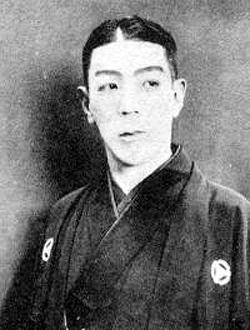
In the chiaroscuro twilight of Horibe Yasubei, the katana is not a weapon but an abacus: every swipe tallies obligation, every parry amortizes inherited shame. Director Sawamura refuses to give us the balletic grace of Kurosawa or the pop-art spray of blood that modern jidai-geki fetishizes; instead he presents steel as a bureaucratic instrument, its edge dulled by paperwork—the parchment of clan edicts, marriage contracts, death poems. The film’s opening shot, a 90-second close-up of a single rust spot being polished away, is already a manifesto: history, like metal, corrodes under fingerprints.
Shirôgorô Sawamura plays Yasubei with the austerity of a Noh mask, letting micro-tremors in the left cheek imply entire hurricanes of doubt. In the Takadanobaba duel he exudes the fatalistic calm of a man who has already visualized his own autopsy; when the ronin oath is sworn later, his voice cracks on the word giri—duty—like a plank splitting under too much weight. Opposite him, veteran actor Kunitarô Sawamura (no relation) imbues Lord Horibe with the rheumy eyes of a father who recognizes greatness yet senses it will demand collateral in family blood.
Cinematographer Masao Tamai alternates between static tatami-level compositions—recalling Ozu’s pillow shots—and handheld chaos during skirmishes, creating a dialectic between serenity and rupture. Snow is a leitmotif: it falls upward in one mirror-reflection shot, as though heaven itself is leaking into the mortal ledger. The color palette is drained except for three hues: the dark orange of lantern flames, the ochre yellowsea-blue of night rain—each symbolizing passion, law, and eternity respectively.
Composer Shirô Fukai limits score to single shakuhachi notes that hang like unanswered questions; battle sequences rely on diegetic sound: labored breathing, clogs scraping frost, the wet puncture of flesh. The absence of orchestral manipulation forces the audience into complicity—every clang is intimate, every gasp an accusation.
The sword fights reject wuxia hyperbole. Duels are clumsy, desperate, ending with fighters slipping on dew-slick grass or stumbling over vendor stalls. The famous Takadanobaba confrontation lasts 38 seconds—an eternity captured in one take—because Sawamura insists we inhabit the eternity that precedes mortality.
Female characters occupy peripheral yet gravitational roles. Yasubei’s wife, Omino, portrayed by delicate yet steely Kikue Môri, teaches him the tea ceremony not as performance but as rehearsal for seppuku: the same measured scoop of water, the same 180-degree rotation of cup, the same finality. Her unspoken glance when Yasubei departs for the vendetta carries more emotional tonnage than ten battlefield soliloquies.
Where When a Woman Sins weaponizes melodrama to indict social hypocrisy, Horibe Yasubei indicts via restraint. A House Divided fractures family loyalty across Civil War battle lines; Sawamura fractures it across Edo’s bureaucratic lattice. The Hunting of the Hawk equates freedom with flight; Yasubei equates freedom with the precise moment steel exits flesh, a liberation measured in millimeters.
The 134-minute runtime mirrors the 47-month conspiracy: viewers trudge through seasons of waiting, privation, recalibration. Sawamura refuses catharsis until minute 128, when the synchronized insertion of blades into Kira’s guards feels less like combat than mass accounting—each stab a receipt stamped by destiny.
Contemporary genre fare like Playing the Game treats loyalty as plot hinge; Yasubei treats it as spinal marrow, inescapable and calcified. The film’s coda—ronin tombs smothered by nameless wildflowers—hints that narratives of honor are ultimately unread epitaphs, compost for future indifference.
Horibe Yasubei is not entertainment; it is a forensic audit of feudal ideology, as exhilarating as a tax audit yet as indispensable. It will infuriate viewers seeking kinetic spectacle, but for those willing to sit inside the sound of snow melting on steel, it offers the rarest treasure: a mirror that reflects not face, but ledger.
IMDb 7.1
1935
Community
Log in to comment.