DbcultAccessing Vault...
6.7/10
Senior Film Conservator
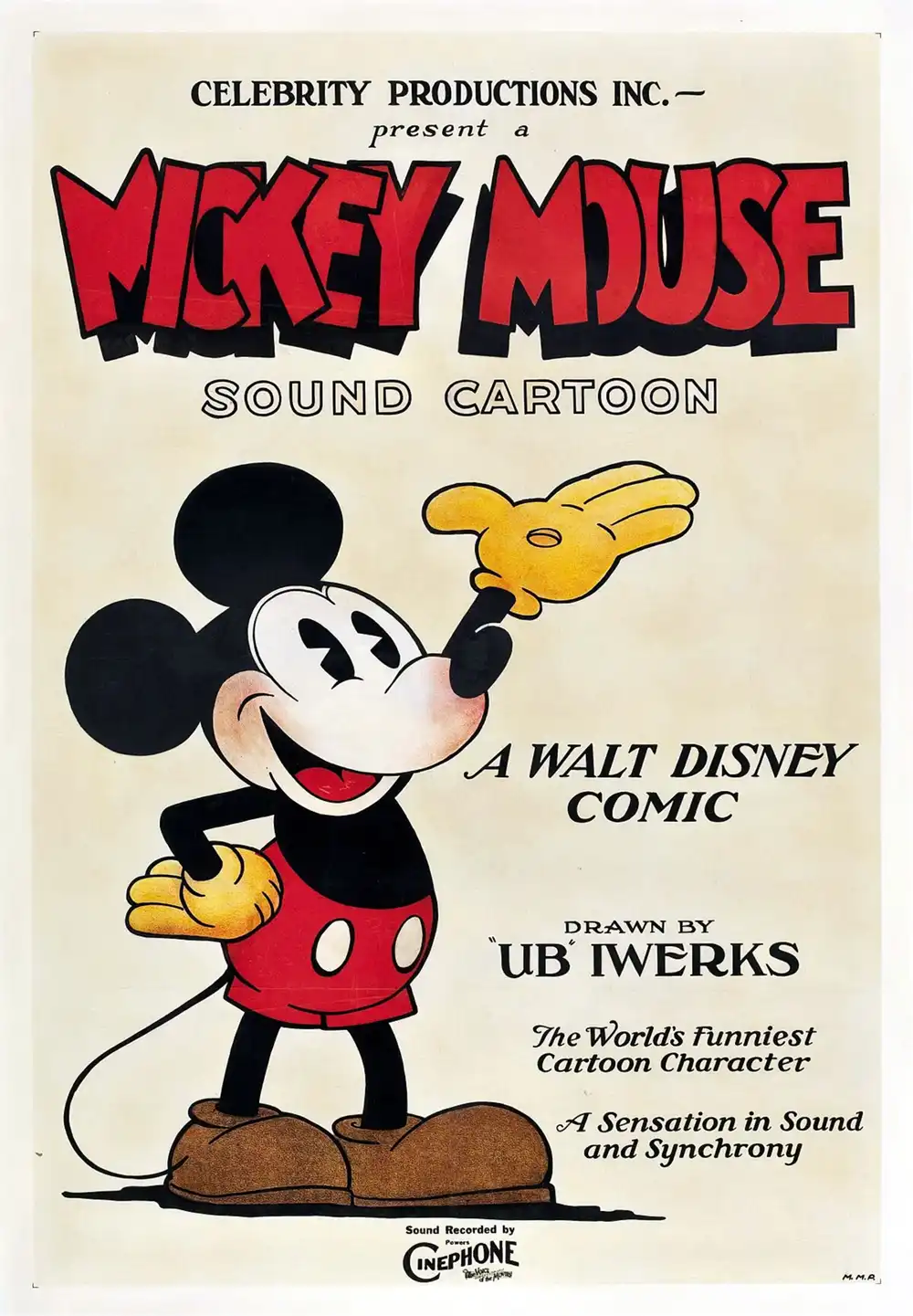
A definitive 6.7/10 rating for a film that redefined the boundaries of cult cinema. Mickey Mouse Classic Shorts remains a cornerstone of transgressive art.
For anyone with even a passing interest in animation history, the Mickey Mouse Classic Shorts are not just worth watching, they are essential viewing. This collection offers a fascinating, often surprising, look at the foundations of an art form and a global cultural icon. However, it's crucial to approach them with the right expectations. These shorts are for animation enthusiasts, historians, and those curious about the roots of Disney's empire. If you're looking for modern pacing, complex character arcs, or politically correct sensibilities, you'll likely find many of these early excursions jarring or simply quaint. They are artifacts, certainly, but many still retain an undeniable spark.
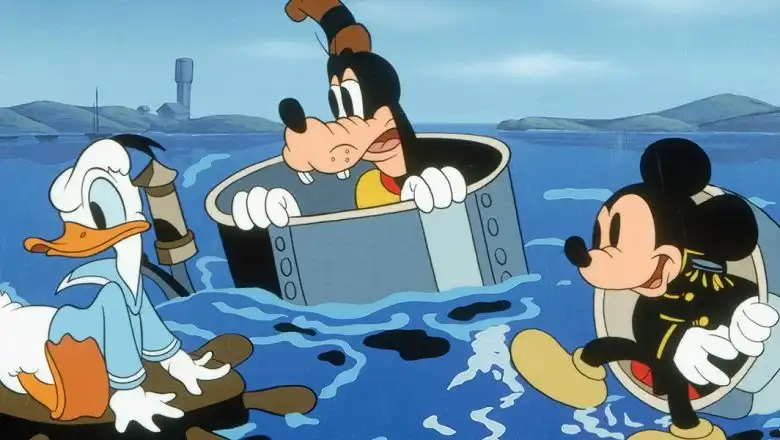
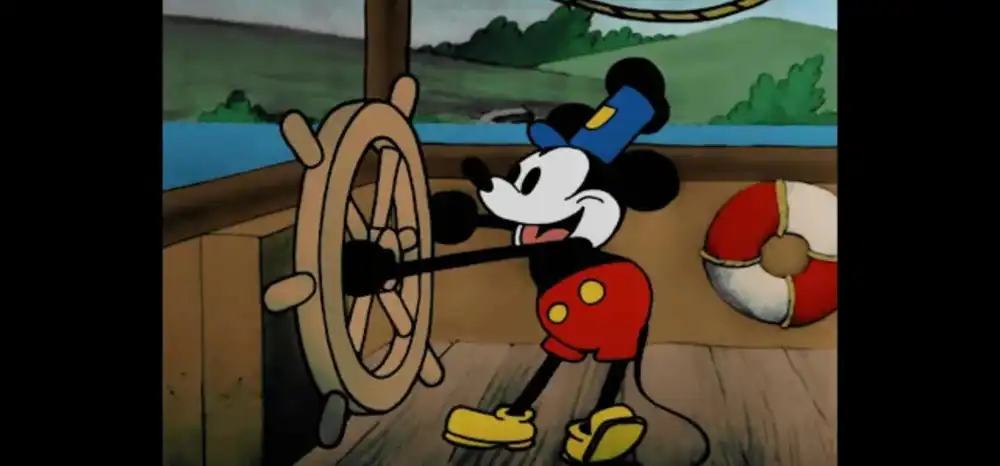
To discuss the "performances" in these shorts is to largely discuss the animation itself, especially the evolving artistry of Walt Disney's studio. In the earliest entries, like the groundbreaking Steamboat Willie (1928), Mickey is a mischievous, almost impish figure. His movements are defined by the "rubber hose" style – limbs bend and stretch with an exaggerated fluidity, often disconnected from realistic anatomy. There's a manic energy to these early shorts, a relentless pursuit of synchronized sound gags, often at the expense of animals or Minnie Mouse. Mickey's grin, in particular, can be quite broad and almost unsettling in its perpetual cheerfulness, a stark contrast to the more rounded, softened character he would become.
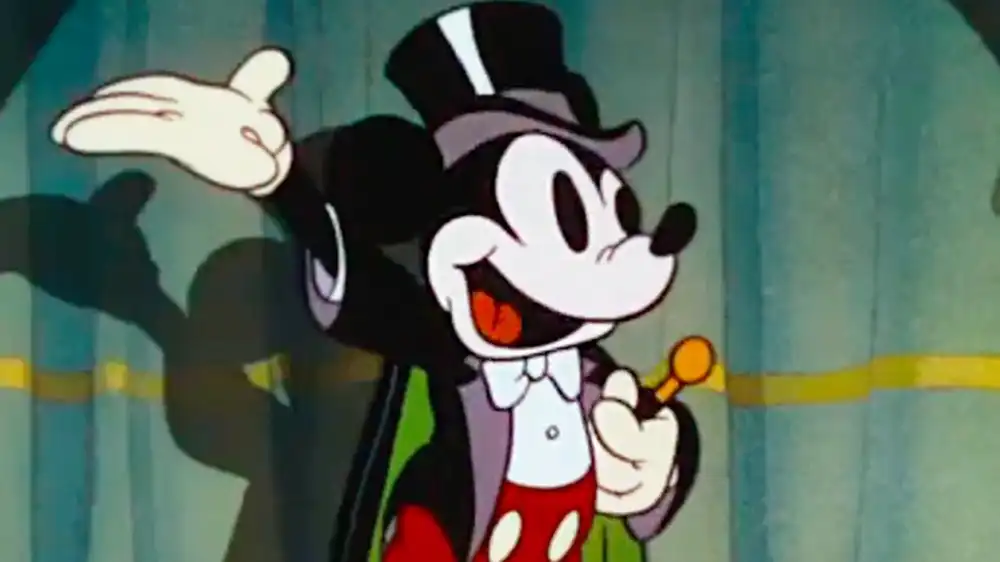
As the series progresses into the 1930s, the animation gains sophistication. Characters begin to have more defined volumes, and their movements become less arbitrary and more purposeful. The shift is palpable in shorts like The Band Concert (1935), which is a masterclass in Technicolor and multi-plane camera effects. Here, Mickey conducts a chaotic orchestra with a determined, yet often exasperated, expression. The character design is more refined, and the expressiveness of facial features and body language conveys a greater range of emotion beyond simple joy or anger. It's a testament to the animators' rapid learning curve, moving from simple sight gags to nuanced character acting through movement.
The pacing across these shorts is wildly inconsistent, reflecting the experimental nature of early sound animation. The black-and-white era shorts are often a barrage of rapid-fire gags, driven by a relentless musical score. Dialogue is minimal, often just exclamations or simple phrases, with the sound effects carrying much of the narrative weight. This can lead to a frantic, almost overwhelming experience for modern viewers accustomed to more deliberate storytelling. There are moments where gags repeat, or an animal is used as a musical instrument one too many times, which can feel repetitive.
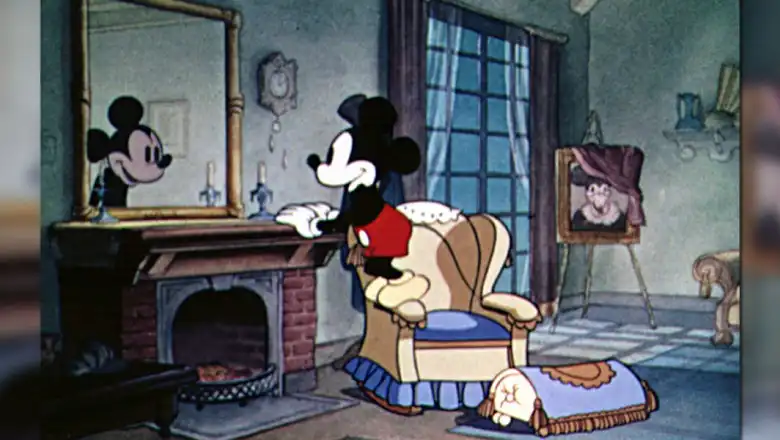
However, this raw energy is also their charm. The sheer ingenuity of syncing sound to animation, a revolutionary concept at the time, is still impressive. Consider the moment in Steamboat Willie where Mickey pulls a cow's tail to make a musical note – it's crude, but the precision of the timing is remarkable. The tone shifts dramatically from pure slapstick to more narrative-driven comedy as the years pass. Later shorts, especially those in color, often build to a more structured comedic climax, allowing for moments of character-driven humor rather than just physical gags. The tonal inconsistency isn't a flaw so much as it is a chronicle of creative exploration.
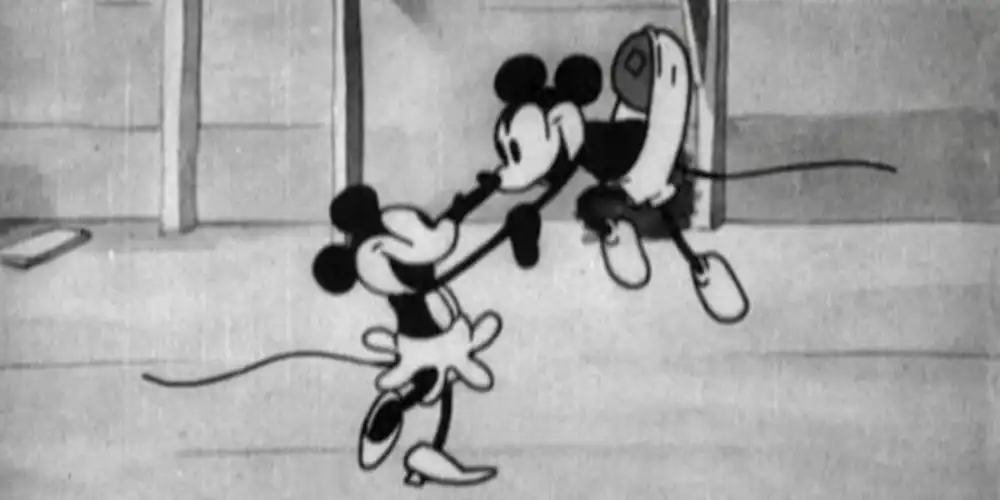
Visually, the collection is a journey from rudimentary line drawings to lush, multi-layered masterpieces. The early black-and-white shorts, while technically simple, possess a bold graphic quality. The stark contrast between black and white, combined with the fluid, circular designs of Mickey and Minnie, gives them an iconic, almost timeless silhouette. A particularly noticeable detail in the very earliest shorts is the way Mickey's ears often remain as two perfect circles, regardless of the angle of his head, creating a charmingly flat, two-dimensional effect that was later refined.
The introduction of Technicolor in the mid-1930s marked a monumental leap. Shorts like The Old Mill (1937), while not a Mickey short, demonstrate the rich color palettes and atmospheric lighting that would soon grace Mickey's adventures. When Mickey himself appears in full color, as in Brave Little Tailor (1938), the world around him explodes with depth and vibrancy. The backgrounds become more detailed, the character models more sculptural. The visual progression is perhaps the most compelling reason to watch these shorts sequentially, witnessing the rapid advancements in animation technology and artistic vision.
The Mickey Mouse Classic Shorts are less a cohesive cinematic experience and more a living museum of animation. They are not consistently brilliant by modern standards, and there are moments of stiffness in the early animation and some gags that feel flat today. However, to dismiss them would be to ignore a crucial chapter in film history. The genuine human ingenuity on display, the rapid evolution of the medium, and the sheer audacity of what Disney and his team achieved are still breathtaking.
For students of animation, film historians, or anyone who wants to understand why Mickey Mouse became the icon he is, these shorts are indispensable. For a casual viewer, pick and choose the later, colorized entries for a more polished experience, but don't shy away from the raw, energetic origins. They remind us that even the most polished entertainment began with simple lines, a lot of imagination, and a pioneering spirit.
IMDb —
1919
Community
Log in to comment.