DbcultAccessing Vault...
5.4/10
Senior Film Conservator
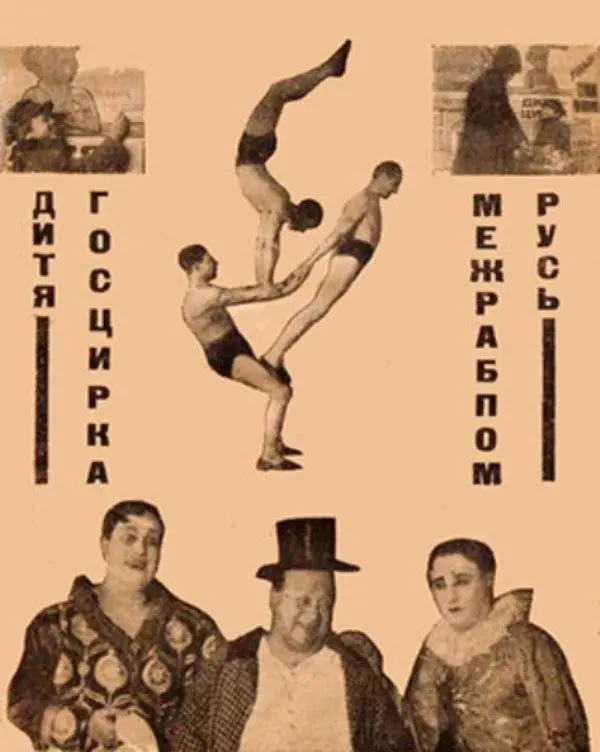
A definitive 5.4/10 rating for a film that redefined the boundaries of cult cinema. Ditya gostsirka remains a cornerstone of transgressive art.
Short answer: yes, but only if you view it as a historical artifact rather than a Friday night popcorn flick. This film is essential for students of Soviet history and silent-era completists, but it will likely frustrate those who require a fast-paced, character-driven narrative.
Ditya gostsirka is a film that values the collective over the individual. If you are looking for the sweeping romanticism found in The Four Horsemen of the Apocalypse, you will be disappointed. This is cinema as a social document.
1) This film works because it captures authentic 1920s circus performances with a raw, unblinking eye that modern CGI-heavy films can never replicate.
2) This film fails because the narrative glue between the circus acts is often thin, relying on melodramatic tropes that feel dated even by the standards of its time.
3) You should watch it if you want to see how early Soviet cinema attempted to turn popular entertainment into a tool for national identity and physical discipline.
In the mid-1920s, the Soviet Union was obsessed with the concept of the 'New Man'—a physically perfect, disciplined citizen. Ditya gostsirka leans into this obsession. The circus ring is presented as a training ground for this ideal. When we see Tatyana Mukhina’s character practicing, the camera doesn't linger on her fear; it lingers on her muscles and her focus. It is a stark contrast to the vulnerability seen in Alone in London.
The direction by the collective team, under the writing of A. Goldman and Olga Blazhevich, prioritizes the environment over the ego. There is a scene involving a high-wire rehearsal that is shot from a low angle, making the performer look like a titan against the tent ceiling. This isn't just a stunt; it's an ideological statement. The human body is the ultimate machine.
Tatyana Mukhina delivers a performance that is refreshingly devoid of the 'flapper' energy found in American films of the same year, like Chickie. She is stoic. Her face is a mask of determination. While some might call this wooden, I argue it is intentional. She isn't playing a star; she is playing a worker. This lack of traditional charisma might alienate some viewers, but it feels more honest to the film's setting.
Aleksandr Konstantinov provides a solid, if unremarkable, foil. His interactions with the rest of the cast feel communal. There are no grand monologues or spotlight-stealing moments. The chemistry is found in the synchronization of their movements during the acts, not in their dialogue cards. It is a physical chemistry, born of shared danger in the arena.
The visual language of Ditya gostsirka is surprisingly sophisticated for a niche production. The use of natural light filtering through the circus canvas creates a hazy, dreamlike atmosphere that contrasts with the hard, metallic reality of the equipment. There is a specific shot of the empty arena at dawn that feels genuinely haunting. It captures the loneliness of the performer before the 'State' arrives to watch.
Compared to the high-society sheen of The Sporting Venus, this film feels grounded and dirty. You can almost feel the grit of the sawdust. The pacing, however, is where the film struggles. It lingers too long on transitional scenes, making the 1920s runtime feel much longer than it is. It lacks the rhythmic editing that would later define Soviet masterpieces, but you can see the seeds of that style being planted here.
Yes, Ditya gostsirka is worth watching for anyone interested in the evolution of Soviet propaganda and the history of physical performance. It provides a rare, unvarnished look at the 1920s circus culture. However, general audiences may find the thin plot and slow pacing difficult to sit through. It is a film for the curious mind, not the casual viewer.
Pros:
The film offers a unique aesthetic that sits somewhere between a documentary and a drama. It avoids the clichéd 'sad clown' tropes of Western cinema, such as those found in Shattered Idols. The cinematography is evocative and makes great use of the limited circus space.
Cons:
The character motivations are often opaque. We know what they do, but we rarely know why they feel. The middle act sags significantly, losing the momentum built by the opening circus sequences. It lacks the emotional punch of contemporary works like Assunta Spina.
"Ditya gostsirka doesn't want your tears; it wants your respect for the discipline of the arena."
Ditya gostsirka is a fascinating, if occasionally tedious, relic. It works. But it’s flawed. It stands as a testament to a time when the Soviet Union was trying to figure out how to entertain the masses without descending into 'bourgeois' sentimentality. While it lacks the narrative complexity of Exile, it makes up for it with a singular focus on the beauty of human effort. It is a film of muscles, sweat, and state-mandated joy. If you can handle the slow burn, the view from the high-wire is worth the climb.
IMDb 5.2
1934
Community
Log in to comment.