DbcultAccessing Vault...
Cult Review
Senior Film Conservator
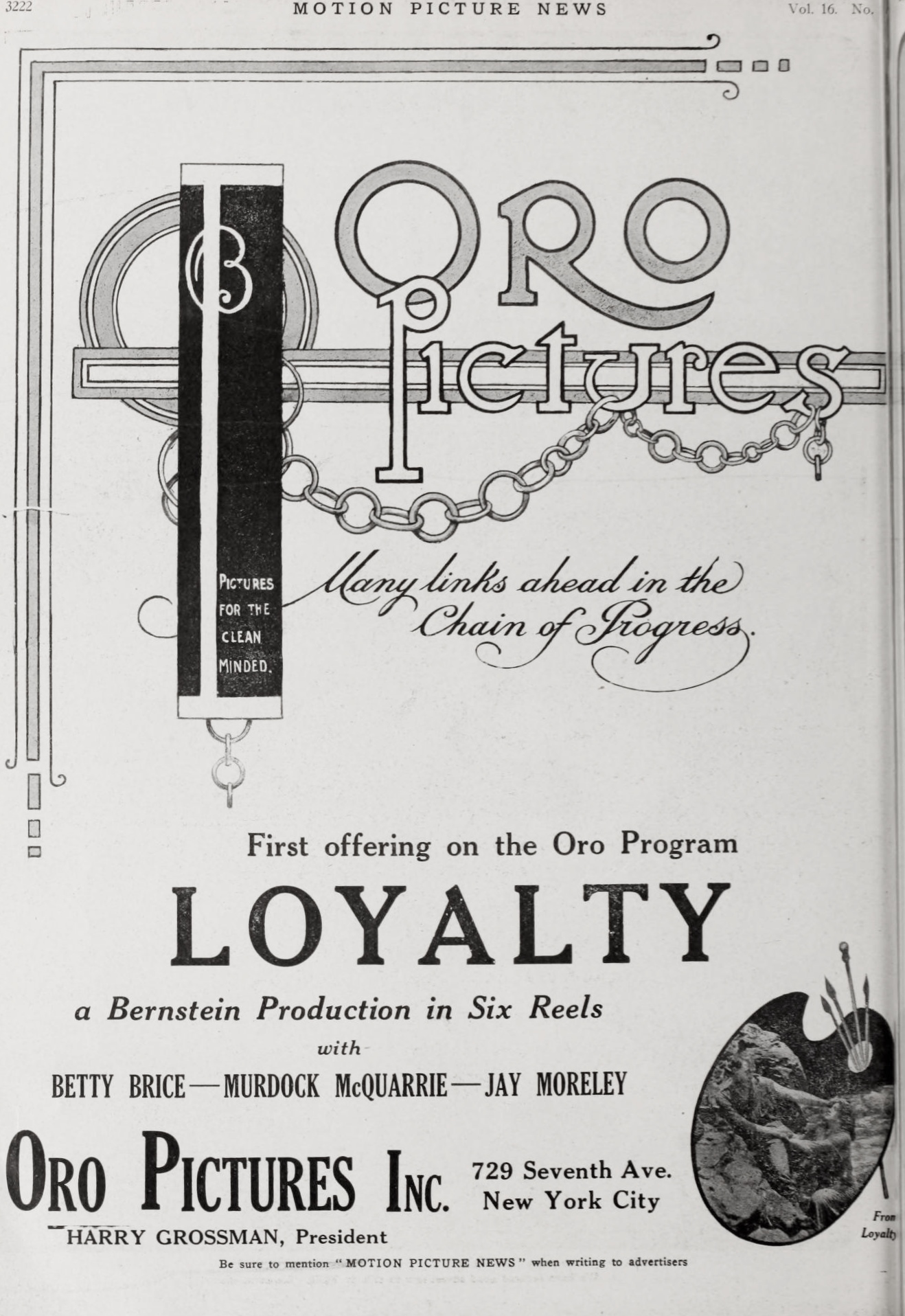
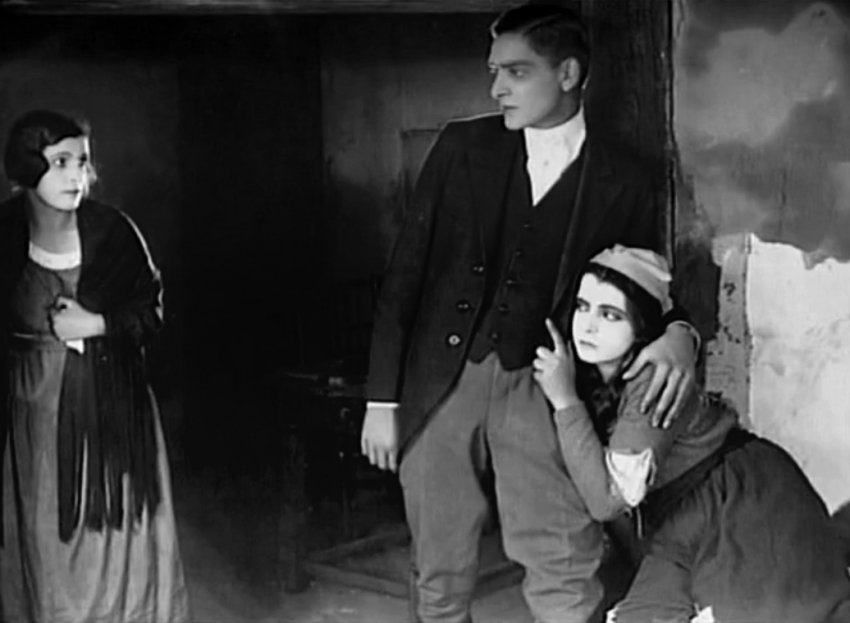
In the bustling, often unforgiving landscape of early 20th-century silent cinema, where grand gestures and stark moralities painted the screen, Ray Lewis's "Loyalty" (1917) emerges not merely as a relic of its time, but as a surprisingly potent exploration of human resilience, the complexities of relational dynamics, and the transformative power of an unlikely devotion. This film, starring the compelling Betty Brice as the defiant Nell Woodward and Murdock MacQuarrie as the afflicted Hugh Gordon, with supporting turns from Jay Morley and Jean Hathaway, transcends its seemingly straightforward plot to deliver a narrative rich in emotional nuance and societal commentary. It's a testament to the era's storytelling prowess, proving that even without spoken dialogue, the human heart's intricate machinations could be laid bare with profound impact.
Our journey into "Loyalty" commences with an act of sheer, unadulterated defiance. Nell Woodward, a vibrant and respected actress, finds herself entangled in a personal vendetta against Hugh Gordon's imperious mother. Her response? A marriage of convenience, or rather, inconvenience for the matriarch, tying herself to Hugh Gordon in a move calculated to spite his overbearing parent. This initial motivation, born from a spirit of rebellion, immediately establishes Nell as a character of formidable will, unwilling to be dictated by societal expectations or the machinations of others. It's a fascinating character introduction, reminiscent of the bold, independent women often portrayed in silent films, perhaps even paralleling the thematic undercurrents in a film like The Empress, where female figures navigate complex power structures with cunning and resolve. Nell's choice is not one of love, at least not initially, but of a deeply personal assertion of agency, a declaration that she will not be trifled with. This impulsive decision, however, carries immediate and severe repercussions.
Her manager, Randall, portrayed by Jay Morley, is understandably furious. In an industry where reputation and contracts are paramount, Nell's unconventional marriage is perceived as a reckless professional gamble, leading to the abrupt cancellation of her contract. This swift professional downfall underscores the precariousness of an actress's career in the early 20th century, where personal choices could easily derail public perception and livelihood. The film expertly illustrates the domino effect of Nell's initial act, transforming her from a celebrated figure into an individual grappling with profound economic insecurity. This sudden shift in fortune forces Nell to confront a reality far harsher than the stage lights she left behind. It’s a sharp contrast to the glamorous portrayal of an actress's life, echoing the often-unseen struggles depicted in films like The Chorus Lady, which frequently explored the less romanticized aspects of theatrical careers.
As if professional ruin weren't enough, Nell's marital situation is compounded by the revelation of Hugh Gordon's debilitating drug addiction. Murdock MacQuarrie delivers a portrayal that, even in the silent era's often broad strokes, manages to convey the torment and vulnerability of a man ensnared by dependency. This addiction casts a long, dark shadow over their nascent union, transforming Nell's challenge from mere economic survival into a far more profound struggle: not only to provide for herself but also to support and, implicitly, save her afflicted husband. The film, through its visual storytelling, likely depicted the grim realities of addiction, a topic that, while perhaps less openly discussed in mainstream media of the time, was certainly a pervasive social ill. Nell's initial spite-driven marriage now becomes a crucible, testing her character in ways she could never have anticipated.
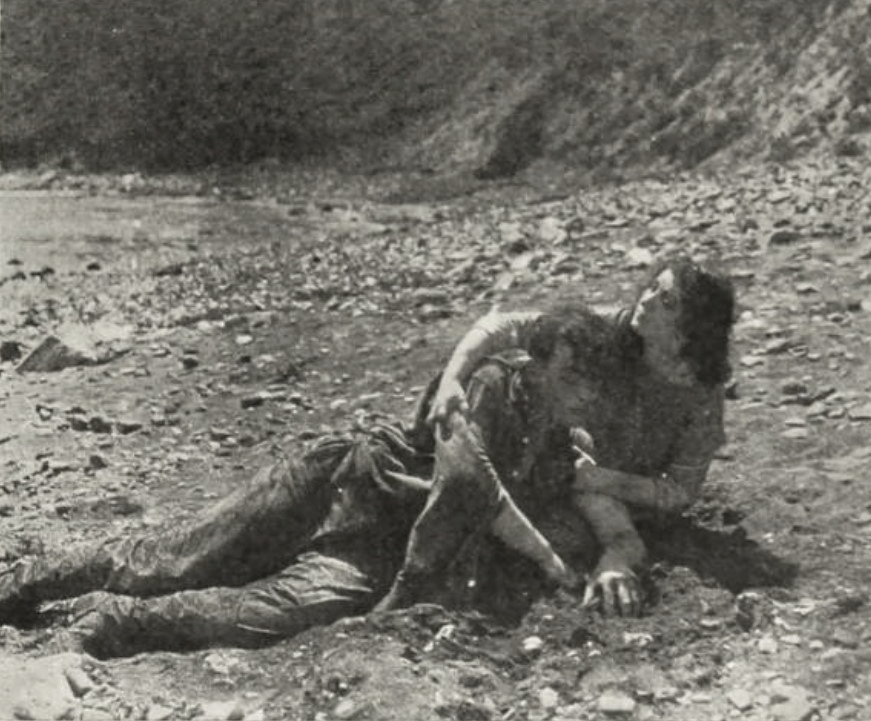
The narrative deftly pivots from a tale of personal vendetta to one of unexpected responsibility. Nell, initially marrying out of defiance, finds herself bound by a different kind of loyalty – one born of shared hardship and an emerging sense of duty. The struggle to make ends meet while simultaneously contending with Hugh's addiction paints a vivid picture of the immense pressures faced by individuals, particularly women, in a society with limited social safety nets. This aspect of the plot resonates with the raw, often gritty realism found in other silent films that dared to explore the darker facets of urban existence, such as Lights of New York, which often depicted characters grappling with the moral and economic challenges of city life.
The plot thickens with the re-entry of Hugh's mother, played with formidable presence by Jean Hathaway. Still under the illusion that Nell is a mere opportunist and a detrimental influence on her son, she offers Nell a substantial sum – $5000 – to leave the city permanently. Her intent is clear: to buy Nell off and reclaim her son, believing this monetary transaction will sever the tie and allow her to 'save' Hugh from what she perceives as a ruinous alliance. This manipulative act highlights the class disparities and the power dynamics at play, where wealth is wielded as a weapon to control personal destinies. It's a classic antagonist's move, reminiscent of the intricate power plays seen in historical dramas like The Life and Death of King Richard III, albeit on a domestic scale.
Here, the film delivers its most compelling twist, revealing the true depth of Nell's evolving character. She accepts the money, a pragmatic decision given her dire circumstances, but her subsequent action is nothing short of revolutionary. Instead of leaving Hugh behind as instructed, Nell takes him with her. This audacious countermove redefines the very essence of 'loyalty' within the narrative. What began as a marriage of spite has, through shared adversity, transformed into a bond of genuine care and commitment. Nell's decision is not just an act of defiance against the mother; it is a profound declaration of her evolving commitment to Hugh, demonstrating a moral compass that points towards compassion rather than convenience. It's a moment that could be likened to the cunning and subversive heroism in The Scarlet Pimpernel, where appearances are deceiving, and true intent is revealed through courageous action.
Their exodus from the city marks a pivotal chapter, a physical and metaphorical journey towards a new beginning. Away from the suffocating influence of Hugh's mother and the temptations of urban life, Nell dedicates herself to helping Hugh overcome his addiction. This segment of the film, though perhaps depicted with the narrative efficiency characteristic of the era, would have carried immense emotional weight. It showcases Nell's unwavering resolve and the profound, often thankless, labor involved in supporting someone through recovery. Her 'loyalty' has shifted from a superficial, almost cynical, act to a deep-seated, empathetic commitment. This arduous process of healing and rehabilitation forms the emotional core of the film, highlighting the idea that true connection can blossom even from the most unexpected origins.
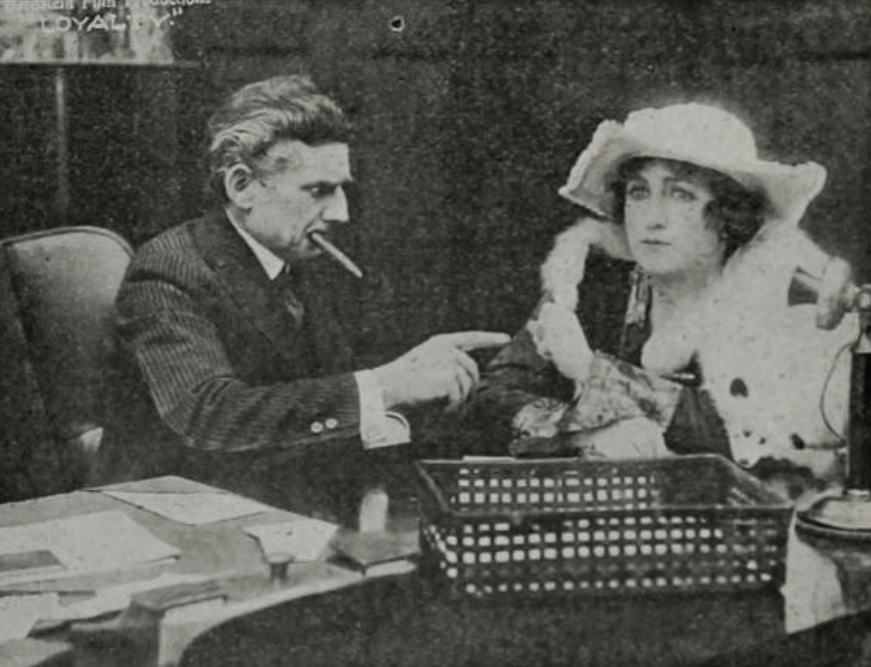
The success of Hugh's recovery, ultimately attributed to Nell's tireless efforts, solidifies their bond and completes Nell's transformation from a woman driven by reactive spite to one motivated by proactive compassion. It’s a powerful testament to the idea that love, in its most profound sense, can be forged not in idealized romance, but in the crucible of shared suffering and mutual support. This journey out of the city and into a new life, focused on healing, resonates with the thematic quest for betterment and self-discovery often found in films like The Seekers, where characters embark on physical and spiritual journeys to find their true path. The film, in its quiet determination, suggests that true strength lies not in avoiding hardship, but in confronting it head-on with an unwavering spirit.
The success of "Loyalty" hinges significantly on the performances of its lead actors. Betty Brice, as Nell Woodward, delivers a performance that must have been both nuanced and forceful. Her journey from a defiant actress to a compassionate caregiver required a range of emotional expression, communicated entirely through gesture, facial expression, and body language – the very essence of silent film acting. Her ability to convey both the initial hardened resolve and the eventual tender devotion would have been critical to the film's emotional resonance. Similarly, Murdock MacQuarrie’s portrayal of Hugh Gordon, especially in depicting the throes of addiction and the slow, painful path to recovery, would have demanded a delicate balance between vulnerability and the eventual emergence of strength. The supporting roles by Jay Morley as the indignant manager and Jean Hathaway as the meddling matriarch provide the necessary dramatic friction, each contributing to the narrative's propulsive energy.
Ray Lewis, as the writer, crafted a narrative that, while adhering to certain melodramatic conventions of the era, managed to infuse genuine psychological depth into its characters and themes. The exploration of addiction, female agency, and the evolving nature of loyalty was progressive for its time, offering audiences more than just escapism. The film's title itself, "Loyalty," takes on multiple layers of meaning, initially ironic given Nell's motivations, but ultimately becoming a profound reflection of her unwavering commitment. This transformation of a seemingly cynical act into one of profound devotion provides the film with its lasting power. It challenges the viewer to look beyond initial judgments and to appreciate the complex, often circuitous, paths individuals take towards genuine connection and moral fortitude.
In comparing "Loyalty" to other films of its period, one can see its unique blend of social commentary and character-driven drama. While films like Lika mot lika (Like for like) might explore direct retaliation, "Loyalty" elevates the concept beyond mere revenge, demonstrating how an act of spite can inadvertently lead to genuine empathy and profound change. It shares a thematic resonance with films like The Child of Destiny, where characters overcome seemingly insurmountable odds, guided by an inner strength and an evolving sense of purpose. The film's subtle yet powerful message about redemption and the unexpected places where true virtue can be found ensures its relevance even today. It reminds us that appearances can be deceiving, and the most profound acts of compassion can spring from the most unlikely of seeds.
Ultimately, "Loyalty" (1917) stands as a compelling example of early cinema's capacity for intricate storytelling and character development. It’s a narrative that begins with a spark of rebellion and culminates in a quiet triumph of the human spirit, driven by the unexpected courage and unwavering resolve of its central heroine. It encourages us to consider the multifaceted nature of loyalty itself – not just as a static virtue, but as a dynamic force that can be tested, transformed, and ultimately, solidified through adversity. Ray Lewis's screenplay, brought to life by the evocative performances of Brice and MacQuarrie, crafted a timeless tale of defiance, struggle, and the enduring power of human connection, proving that even in the silent era, stories could speak volumes about the deepest human experiences.
IMDb —
1919
Community
Log in to comment.