DbcultAccessing Vault...
5.3/10
Senior Film Conservator
A definitive 5.3/10 rating for a film that redefined the boundaries of cult cinema. How to Use the Dial Telephone remains a cornerstone of transgressive art.
Is 'How to Use the Dial Telephone' worth watching today? Short answer: absolutely, but not for the reasons you might expect. This brief instructional film, a fascinating artifact from a bygone era, serves less as practical guidance and more as a poignant historical document. It’s a must-see for historians, technology enthusiasts, and anyone curious about the minutiae of early 20th-century life, but it offers little in the way of traditional cinematic entertainment for the casual viewer.
For those with a penchant for cultural anthropology, a deep interest in the evolution of technology, or students of early non-fiction filmmaking, this short subject is an unexpected treasure. However, if you're seeking engaging narrative, character development, or high production values, you will find it utterly devoid of such conventions. This film is for the curious mind, not the thrill-seeker.
This film works because of its unflinching dedication to its singular purpose: clear, concise instruction. It inadvertently captures a moment in time when a now-obsolete technology was revolutionary, offering a window into the daily lives and learning curves of a past generation. Its historical value is immense, far outweighing its initial utilitarian intent.
This film fails because it was never designed to be entertainment. It lacks any pretense of narrative, emotional arc, or artistic flourish that modern audiences associate with 'film.' Its subject matter is brutally specific and, for contemporary viewers, entirely redundant, making it a challenging watch for anyone not invested in its archival significance.
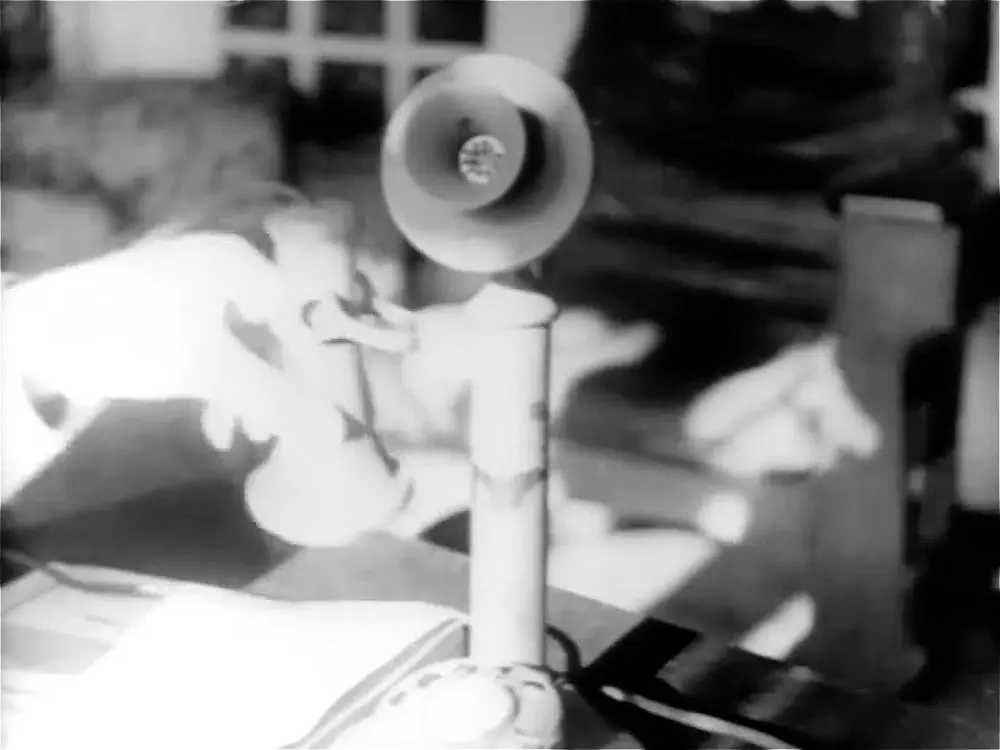
You should watch it if you are fascinated by the history of communication, enjoy dissecting the cultural implications of technological adoption, or appreciate minimalist filmmaking that achieves its objective with stark efficiency. It’s a profound lesson in how quickly innovation can render even the most carefully crafted instruction obsolete, yet simultaneously elevate it to the status of invaluable historical record.
To speak of 'plot' in the traditional sense for 'How to Use the Dial Telephone' feels almost like a category error. There are no protagonists, no conflicts, no rising action or denouement. Instead, the film presents a procedural narrative, a step-by-step guide to mastering a then-novel piece of technology. It is a cinematic manual, meticulously detailing the process of initiating a telephone call using a dial mechanism, a process that has long since faded from common experience.
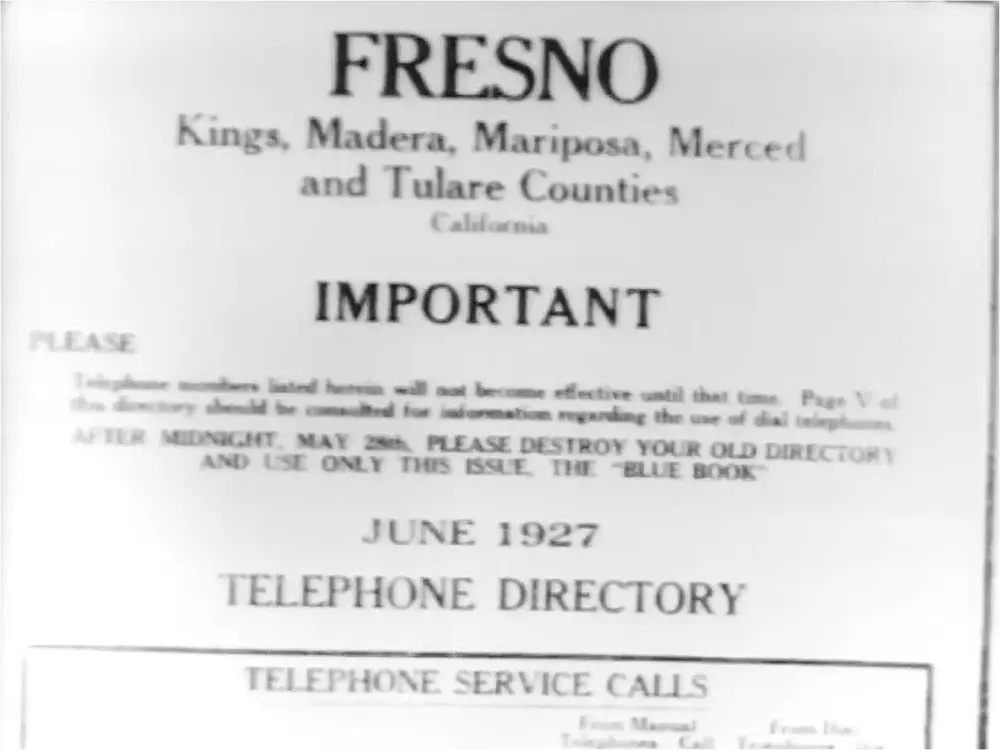
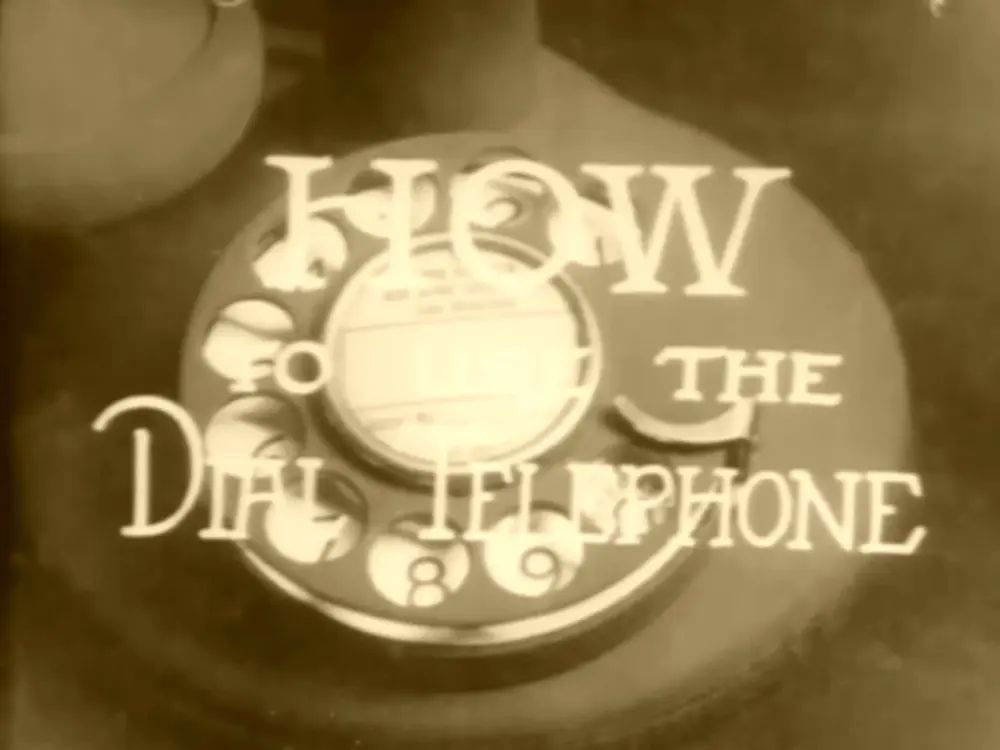
The film opens, presumably, with the introduction of the telephone itself – though the precise opening moments are less about exposition and more about immediate immersion into the task at hand. The primary 'action' involves the human hand interacting with the telephone instrument. We are shown, with painstaking clarity, the sequence: lifting the receiver, listening for the dial tone, and then, the central instruction – the act of dialing.
Each digit of the telephone number is demonstrated individually, emphasizing the precise placement of the finger into the corresponding hole on the rotary dial, followed by its deliberate rotation clockwise until it hits the finger stop. The return of the dial to its resting position, the removal of the finger, and the repetition for each subsequent digit are all meticulously portrayed. This isn't merely instruction; it's a ritual, a new dance with technology that required careful learning and practice.
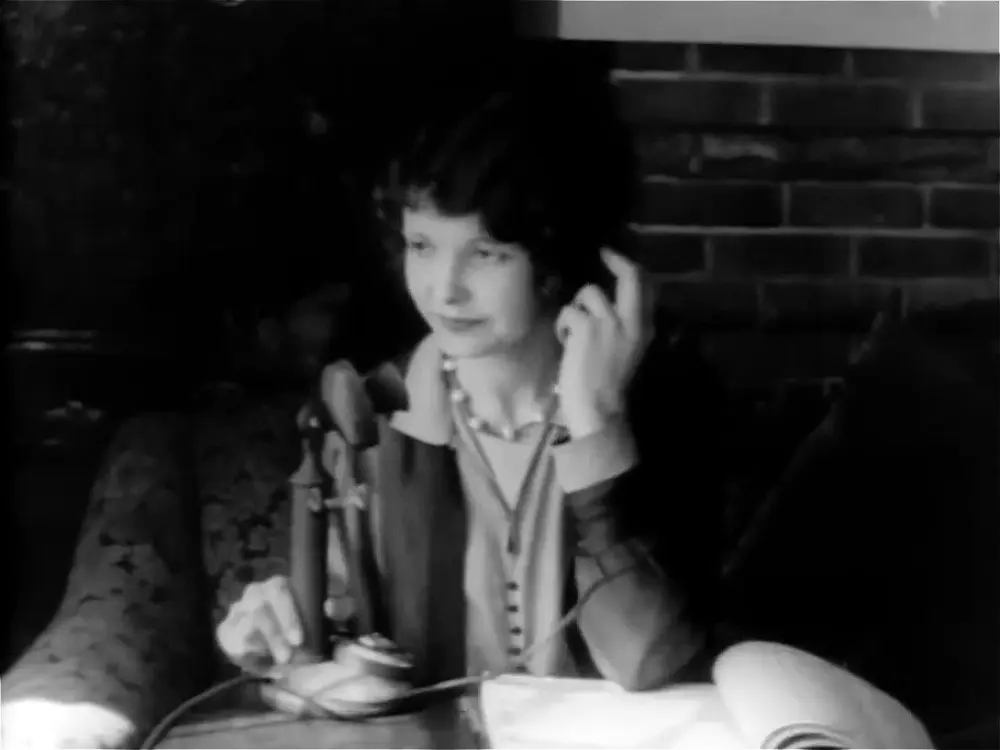
The 'story' culminates in the successful completion of the dialed number, implying a connection made, a conversation initiated. The film subtly underscores the immense power this simple act represented: the ability to connect across distances without the intermediary of a human operator, granting individuals unprecedented autonomy in communication. It is a testament to the era's focus on self-reliance and the mechanical precision required to operate its burgeoning technologies.
This film inadvertently highlights a forgotten virtue: patience. Modern interfaces are designed for instant gratification; this film teaches a deliberate, almost ritualistic engagement with technology. It's a striking contrast to our swipe-and-tap world.
The anonymous director of 'How to Use the Dial Telephone' wasn't aiming for artistic accolades; their goal was absolute, unassailable clarity. In this, they succeeded brilliantly. The direction is functional, almost clinical, yet profoundly effective for its intended purpose. Every shot is a lesson in focus, designed to eliminate distraction and guide the viewer's eye precisely where it needs to be.
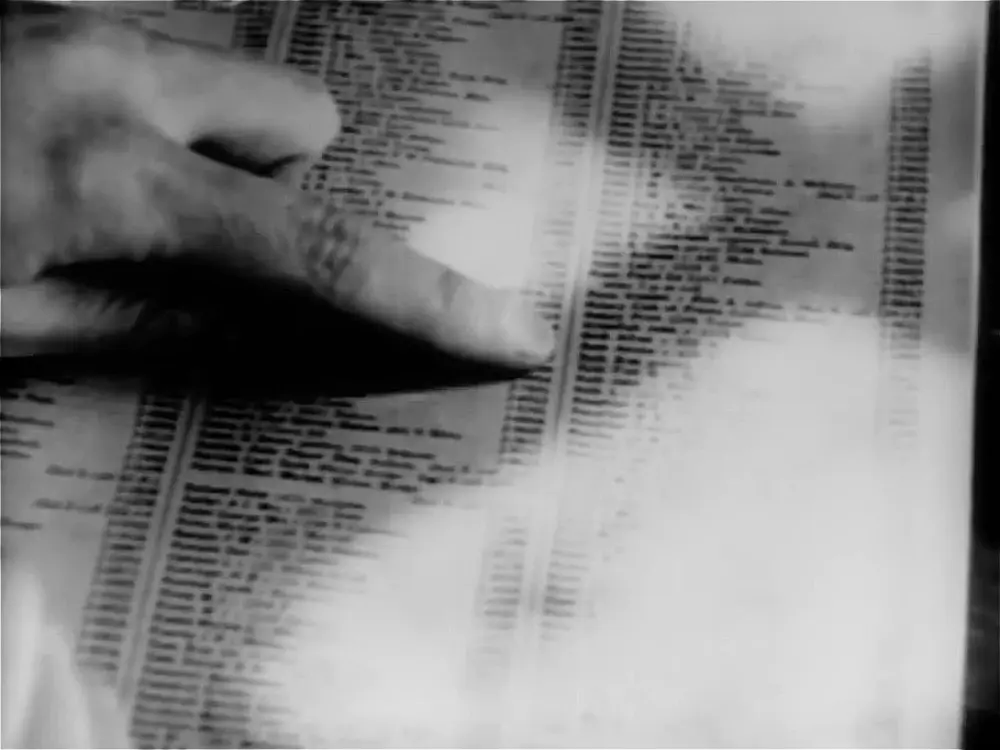
The camera placement is consistently static, often employing a medium close-up that frames the telephone instrument and the demonstrator's hand with unflinching precision. There are no sweeping crane shots, no dynamic tracking, no elaborate set designs. The background is minimal, often a plain, unassuming surface that ensures the viewer's attention remains solely on the task: the interaction between finger and dial.
Consider the sequence where a digit is dialed. The camera holds steady, allowing the viewer ample time to observe the finger's placement, the smooth rotation, and the gentle return. This deliberate pacing is a directorial choice, recognizing that the audience is learning a new, intricate motor

IMDb 7.2
1916
Community
Log in to comment.