DbcultAccessing Vault...
6.3/10
Senior Film Conservator
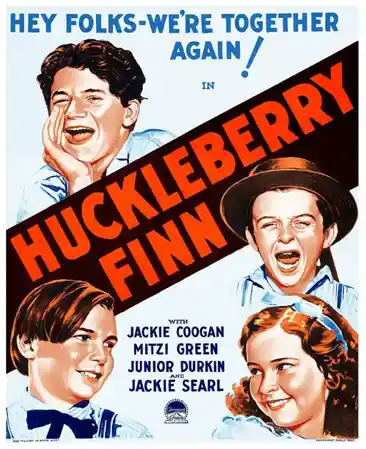
A definitive 6.3/10 rating for a film that redefined the boundaries of cult cinema. Huckleberry Finn remains a cornerstone of transgressive art.
Alright, so Huckleberry Finn from 1931. Is it worth tracking down today? Well, that depends on what you're after. If you're a film history buff, or you just really, *really* love Mark Twain and want to see how early sound cinema tackled his work, then yeah, give it a whirl. But if you’re looking for a smooth, exciting adventure that holds up to today's standards, you’ll probably find yourself drifting off. 🥱
This movie takes us back to the rough-and-tumble world of Huck Finn, played by Junior Durkin. He's trying to escape his awful, drunken dad, Pap Finn, and eventually ends up on a raft with Jim, a runaway slave. Their journey down the Mississippi is the heart of the story, as it always is.
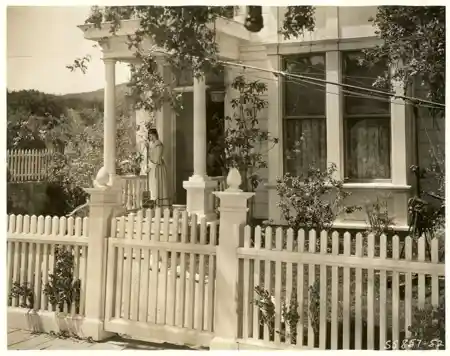
The river itself is a character here, as it should be. They use a lot of stock footage, which is charmingly obvious. You get these quick cuts to a real river flowing, then back to the very clear soundstage raft. It’s a neat trick for the time, even if it feels a little stitched together now.
Junior Durkin as Huck has this _earnest, wide-eyed innocence_ that really works. He’s believable as a kid who’s seen too much but still has a good heart. You root for him, even when he’s making some questionable decisions.
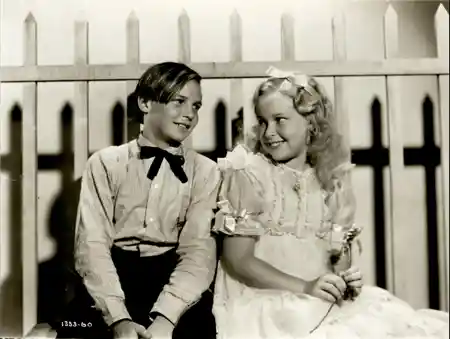
The film is pretty brisk in getting Huck away from Pap Finn. That whole sequence feels a bit rushed, actually. You almost feel the movie going, "Okay, let's get him on that raft already!" The acting from Pap, played by Warner Richmond, is all big gestures and scary glares. It’s very much in that _stagey style_ you see in early talkies.
And speaking of early talkies, the sound is… a thing. Sometimes it's perfectly clear, other times it sounds like everyone's talking through a tin can. You really have to listen closely. It adds to the feeling of watching a historical artifact, I guess. Like, you’re experiencing cinema’s awkward teenage years. 🎙️
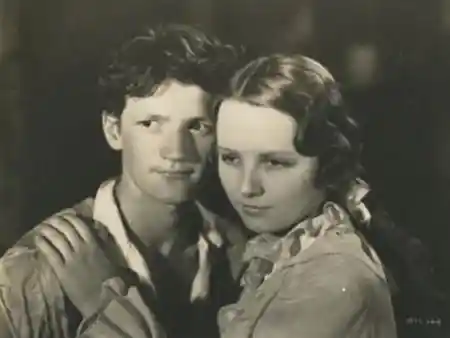
Clarence Muse plays Jim, and he brings a certain dignity to the role. His scenes with Huck are where the movie finds its footing. Their conversations, about superstitions or just about being free, feel the most genuine. It's a quieter performance amidst a lot of more _dramatic_ ones.
There's this one moment where Huck is trying to figure out if he should turn Jim in. Durkin just sits there, thinking, looking at the water. No big speeches. Just his face. It _lingers_ for a bit, and you can almost feel his conflict, which is pretty effective.
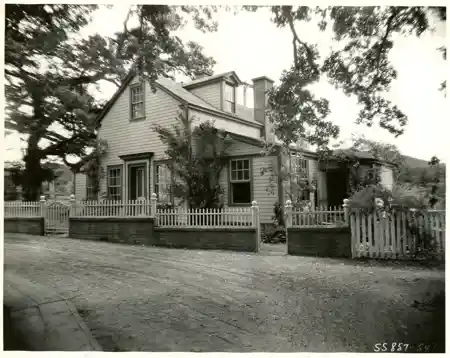
Pacing-wise, it’s a slow burn. Things unfold deliberately. Modern audiences used to quick cuts and constant action might find it a drag. But if you settle into its rhythm, it has a certain charm. It’s like a quiet Sunday afternoon on the river.
Oh, and Jackie Coogan pops up as Tom Sawyer! He's got that mischievous sparkle, even at this early stage of his career. It’s fun to see him, though his role is pretty small. He brings a different energy, a bit more boisterous.
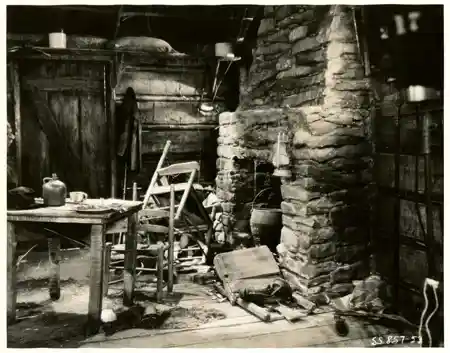
The production values are what you’d expect for 1931. Sets are obviously sets, but they do a decent job of creating the illusion. The lighting sometimes feels a bit flat, like they just pointed all the lights at the actors. But then, you get a nice shadow here and there, a glimpse of something more artistic.
I found myself wondering a lot about the choices they made, like why some scenes were given so much space and others were glossed over. It’s not a perfect film, not by a long shot. But it’s a window into how Hollywood first tried to translate a beloved American novel to the screen. It has its clunky bits, sure, but also some _surprisingly tender moments_. 💖
Don't go into this expecting a definitive version of Twain's story. Go into it expecting a piece of film history. It's a quaint, sometimes creaky, journey. A bit like an old steamboat, chugging along, getting you there eventually, but maybe not in the flashiest way.
IMDb 5.1
1926
Community
Log in to comment.