DbcultAccessing Vault...
6/10
Senior Film Conservator
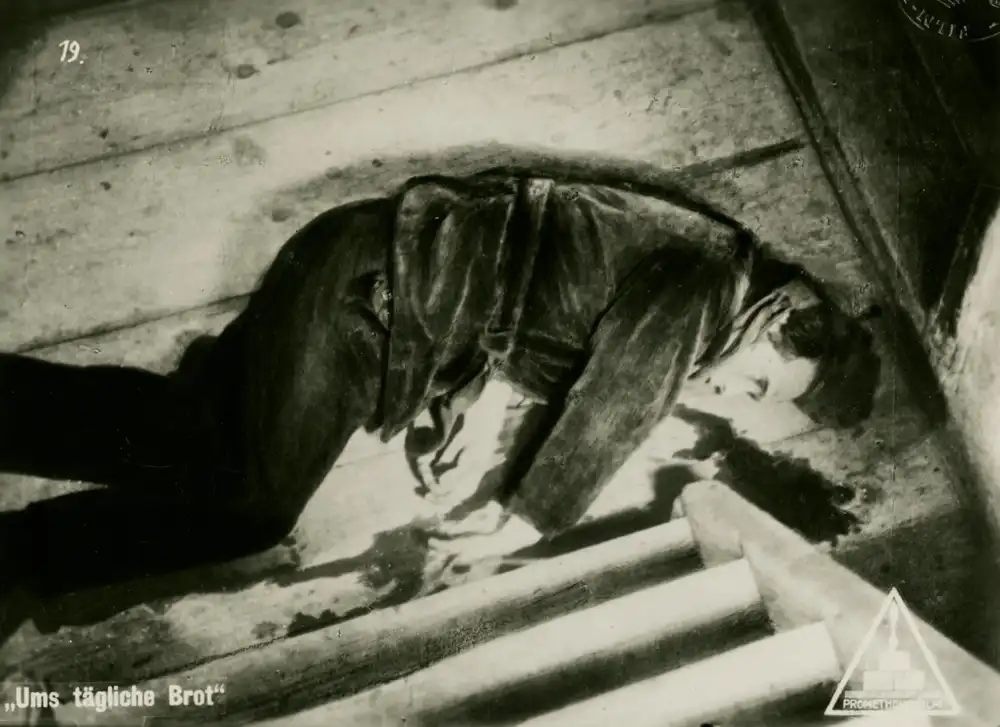
A definitive 6/10 rating for a film that redefined the boundaries of cult cinema. Hunger in Waldenburg remains a cornerstone of transgressive art.
Right off, let's be clear: Hunger in Waldenburg isn't exactly a feel-good movie. If you’re looking for a comfortable escape, best look elsewhere. But if you're interested in a raw, almost painful glimpse into history and what it meant to live on the margins, then this one is absolutely worth tracking down.
This film is a gut punch, really. It’s for folks who appreciate cinema that doesn't flinch from showing real hardship, though anyone hoping for a traditional plot might find it a bit of a slog.
The whole thing feels like someone just pointed a camera at a forgotten corner of the world. It’s 1920s Silesia, in the city of Waldenburg, and life is brutal.

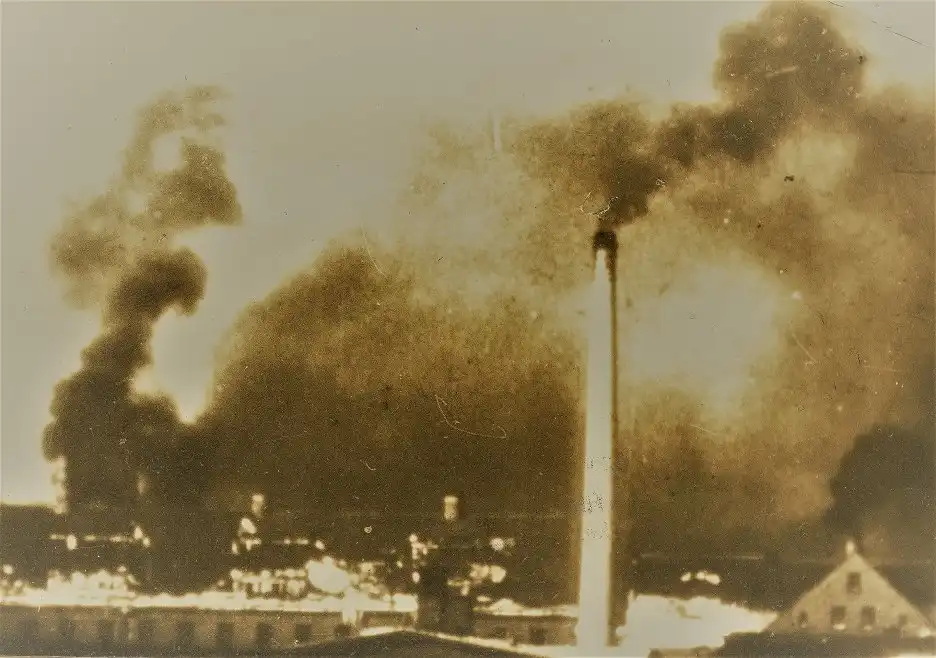
You see the coal dust on everything, not just on the miners but on the houses, the street, even seems to cling to the air.
The film just *lingers* on faces, particularly the children. They have these old eyes, you know? Like they’ve seen too much already, before they’re even properly grown.
There's a scene, or rather a series of shots, in the housing blocks that just sticks. Tiny, cramped rooms, families packed in, everyone just trying to exist.
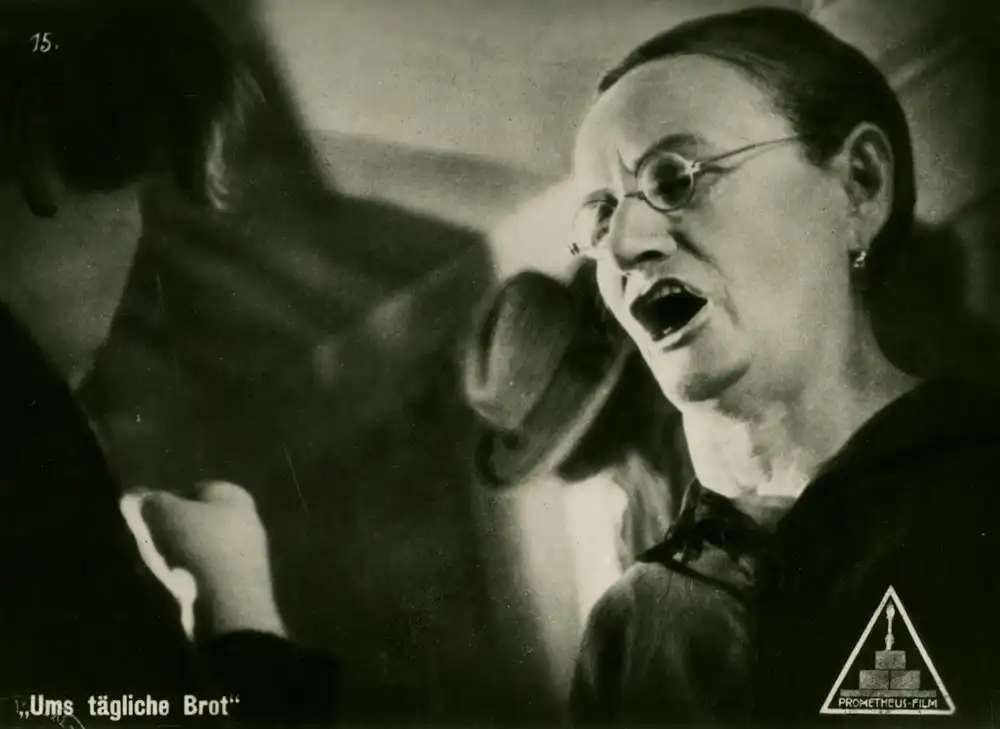
Sybille Schloß, she’s fantastic here. Her face tells a whole story without a single word. You feel her weariness, her fight, all at once.
She's not performing in a showy way. It's just... being. It’s a very quiet kind of power she has.
Holmes Zimmermann, too, gives a solid performance. He portrays the sheer exhaustion of it all, the daily grind that wears a person down.
One moment that really hit me: a shot of a woman trying to mend something, maybe a shirt, by candlelight. The flicker, the shadows, it just highlights how scarce everything was.
The film doesn't really have a "story" in the modern sense. It’s more like a documentary that captures a place and time, a series of vignettes.
It can feel slow, sure. The director, Léo Lania, really lets the silence hang sometimes, lets you absorb the quiet desperation.
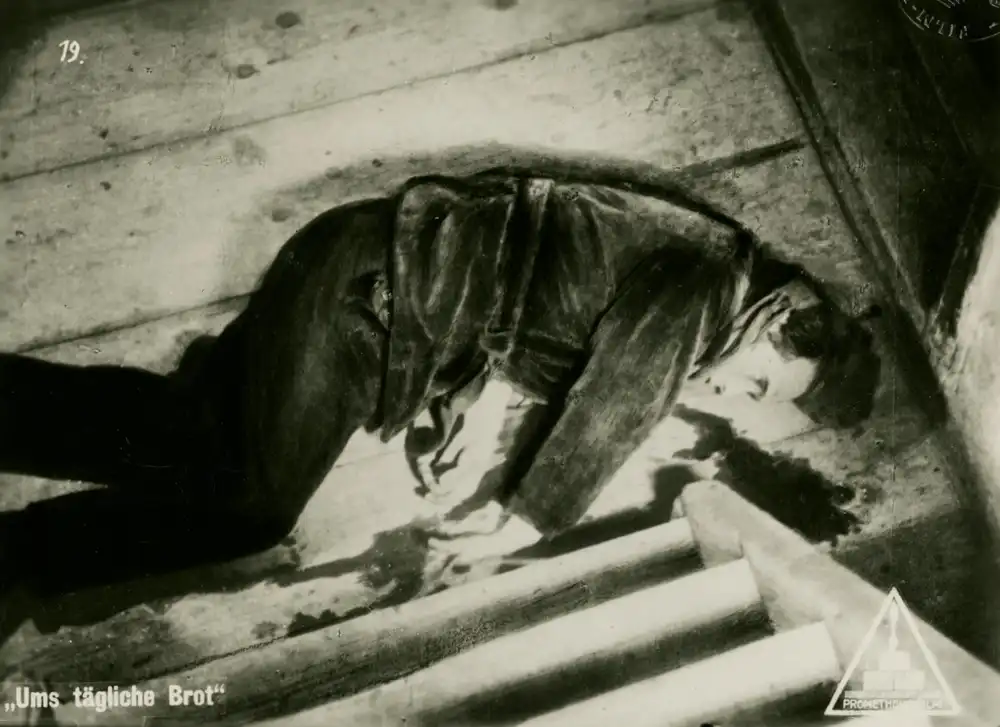
You almost expect to hear the coughs, the low murmurs, the creak of worn floorboards, even though it’s a silent film. That's how well it draws you in.
The way they show food, or the lack of it, is pretty stark. A bare table, a small ration of bread. It makes you feel a knot in your stomach.
It’s not trying to make a grand statement with flashy visuals. The beauty, if you can call it that, is in its honesty. It's a very unvarnished look.
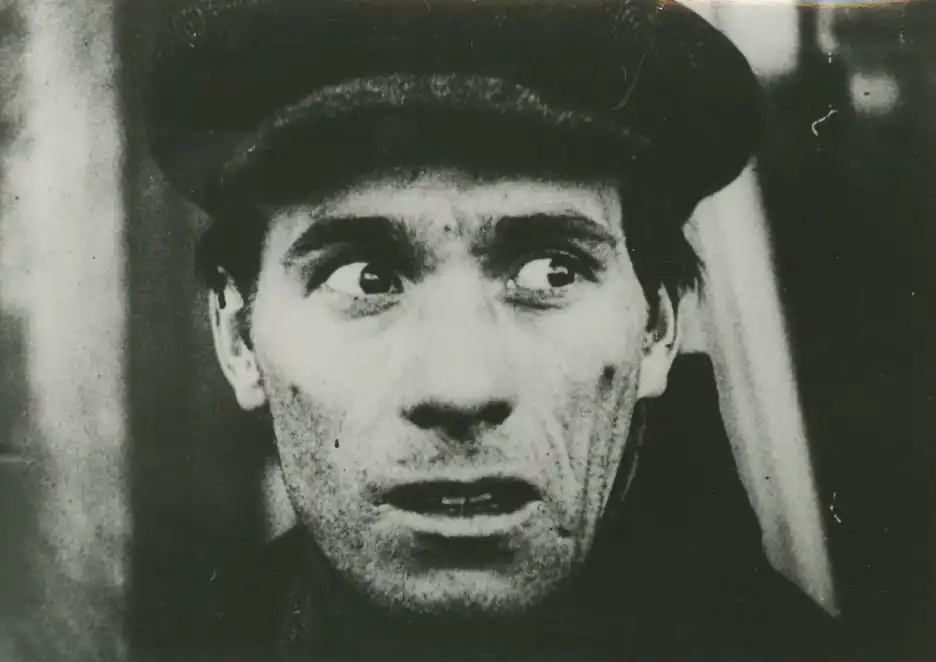
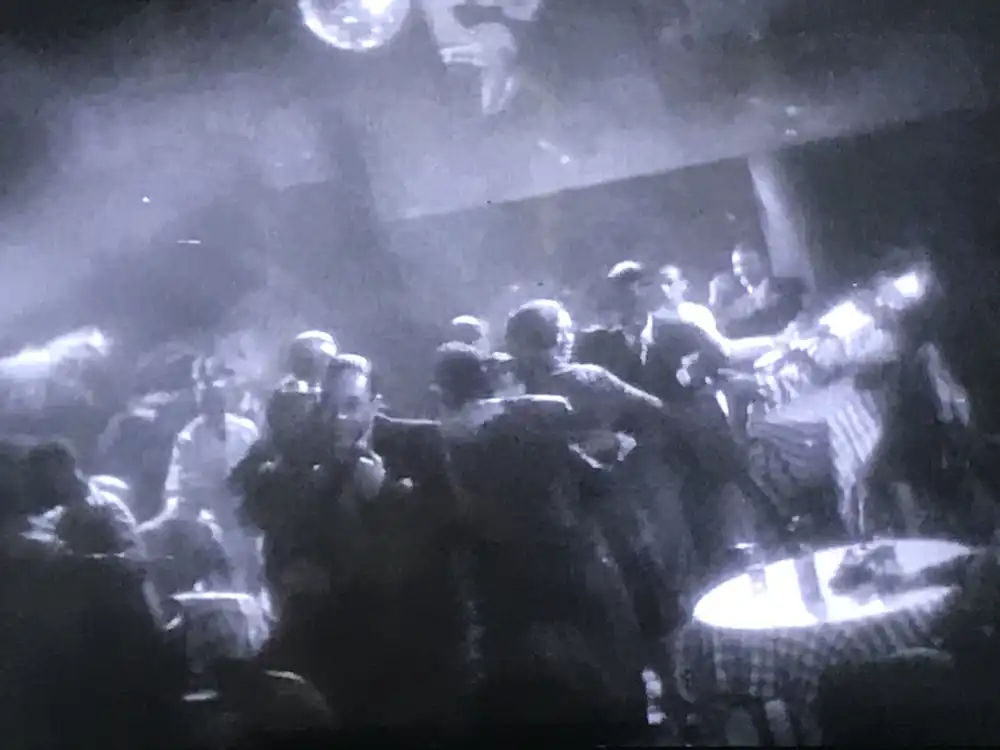
The crowds, like the ones waiting for work or some kind of relief, they don't look like extras. They look like *people*. Maybe they were.
It’s hard to watch, honestly. But then, it should be hard. This isn’t meant to be easy viewing.
You come away with a real sense of what "hunger" meant beyond just missing a meal. It was a constant, gnawing presence.
This movie isn't just about Waldenburg. It’s about a universal struggle, a reminder of the sheer resilience of people facing impossible odds.
So, yeah, give it a watch if you’re up for something heavy. Just don’t expect to leave with a smile. It’ll make you think, though. A lot.
IMDb 6.3
1930
Community
Log in to comment.