DbcultAccessing Vault...
5.6/10
Senior Film Conservator
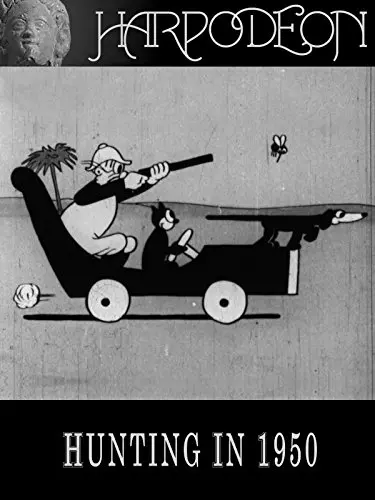
A definitive 5.6/10 rating for a film that redefined the boundaries of cult cinema. Hunting in 1950 remains a cornerstone of transgressive art.
Short answer: Only if you are an animation completionist or a student of early cinematic history. For the casual viewer, it is a repetitive exercise in primitive slapstick that lacks the charm of its contemporaries.
This film is for historians who want to see the 'assembly line' style of animation before it was perfected. It is absolutely not for anyone who requires a coherent plot or emotional stakes in their viewing experience.
1) This film works because it showcases the raw, unpolished energy of the 1920s New York animation scene, where speed was prioritized over artistry.
2) This film fails because its central premise—the year 1950—is almost entirely aesthetic and adds nothing to the actual comedic structure of the short.
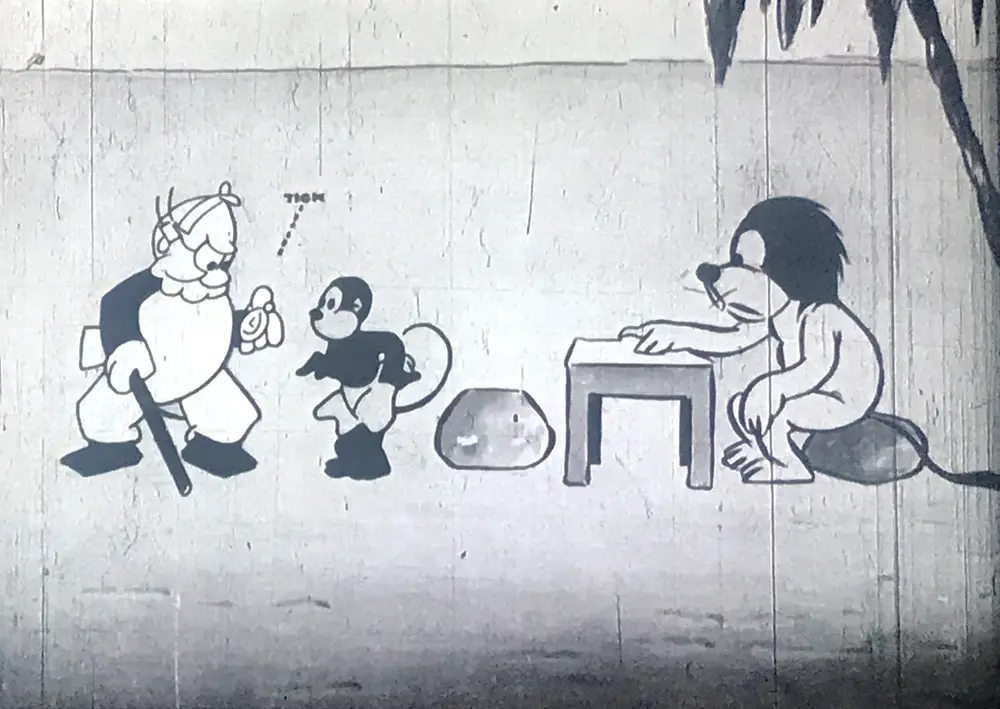
3) You should watch it if you want to understand the DNA of Farmer Al Falfa, a character who arguably paved the way for the grumpy archetypes seen in later Looney Tunes.
Paul Terry was the Henry Ford of animation, and Hunting in 1950 is a prime example of his 'good enough' philosophy. Unlike the lush, experimental work seen in An Elephant's Nightmare, Terry’s work here is utilitarian.
The animation is built on cycles. You can see the same background elements passing by multiple times as Al Falfa walks through the woods. It is efficient, but it lacks soul.
The character of Farmer Al Falfa himself is a fascinating study in early character design. He is essentially a collection of circles and a beard, yet he manages to convey a specific brand of rural frustration.
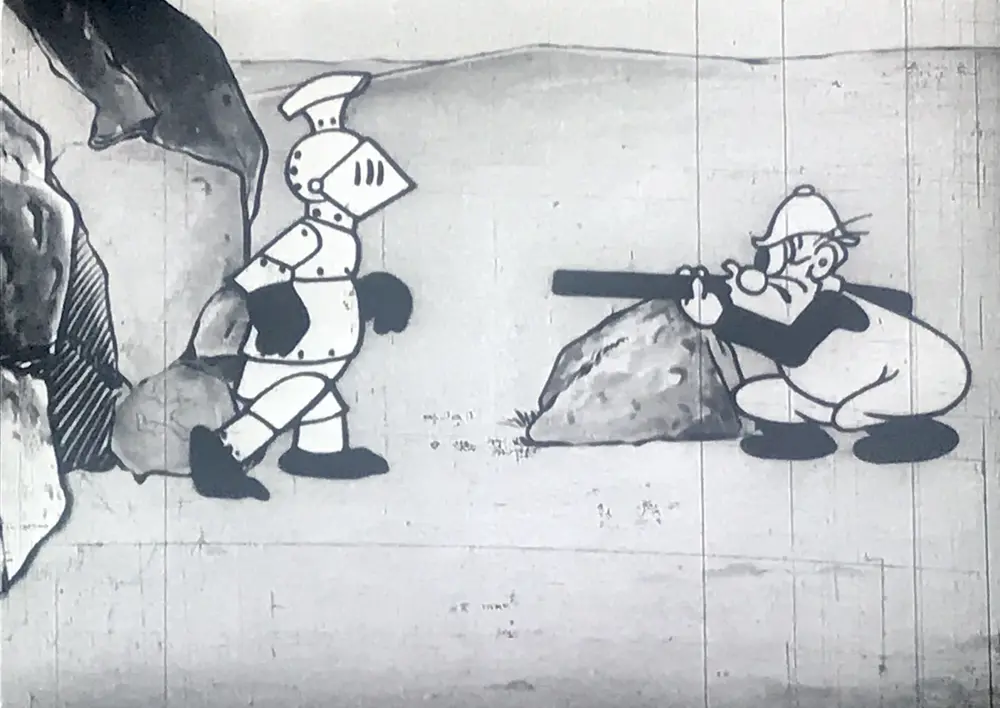
In one specific scene, Al Falfa tries to shoot a bird, but the gun barrel simply droops like a wet noodle. This gag is a hallmark of the era’s surrealism. It doesn't need to make sense; it just needs to fill the frame.
The title suggests a speculative look at the future, much like Prohibition dealt with contemporary social anxieties. However, the '1950' setting is largely ignored after the opening cards.
There are no flying cars or robotic dogs. Instead, we get the same rural landscape that Terry used in almost every other Fables short. It feels like a bait-and-switch for the 1926 audience.
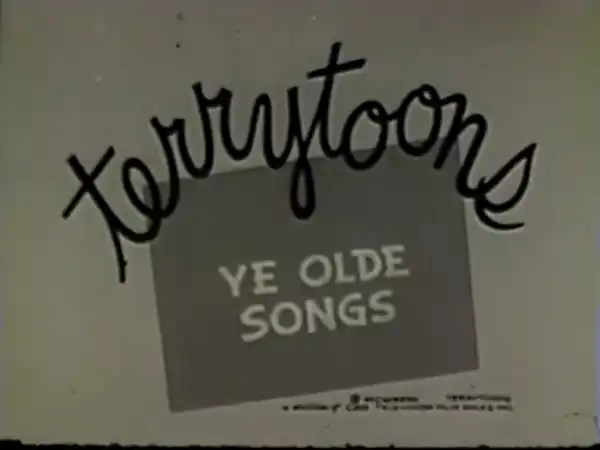
This lack of imagination is a recurring theme in the Terrytoons lineage. While other studios were pushing boundaries, Terry was focused on the bottom line. It works. But it’s flawed.
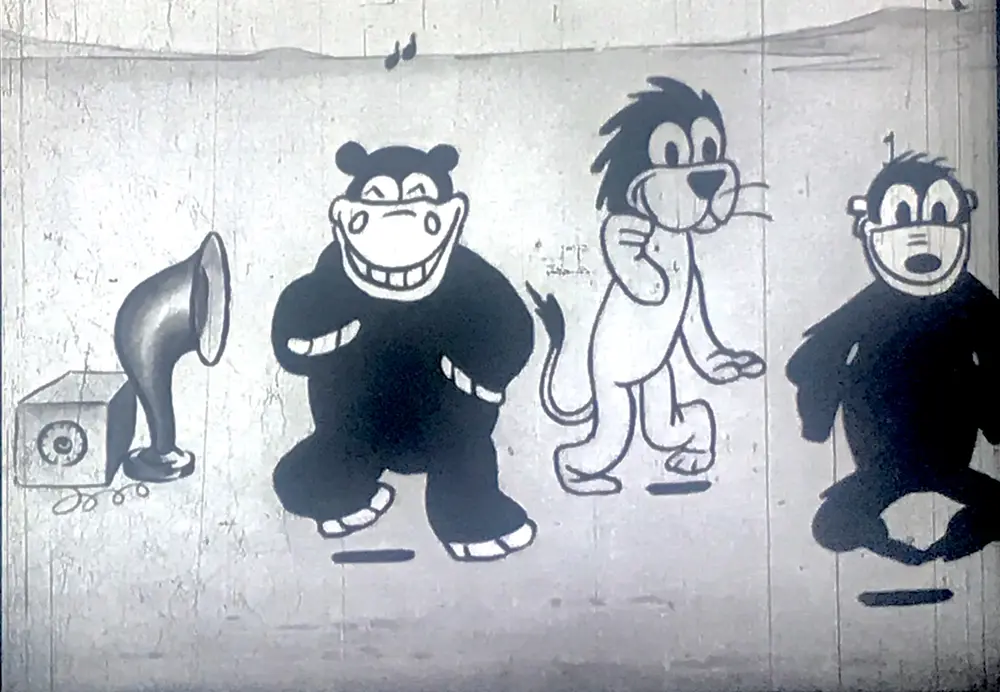
Consider the way the animals interact with the environment. They are more like mischievous sprites than actual creatures. They exist solely to punish Al Falfa for his hubris.
The pacing of Hunting in 1950 is relentless, almost to a fault. There is no room for the characters to breathe between gags. It is a constant barrage of movement.
Compared to the more somber tone of Charity, this film is pure chaos. The tone is cynical, bordering on mean-spirited, which was common for the Aesop's Fables series.
The cinematography—if one can call it that in animation—is static. The camera never moves, and the action is staged like a vaudeville theater production. This gives it a dated, flat feel.
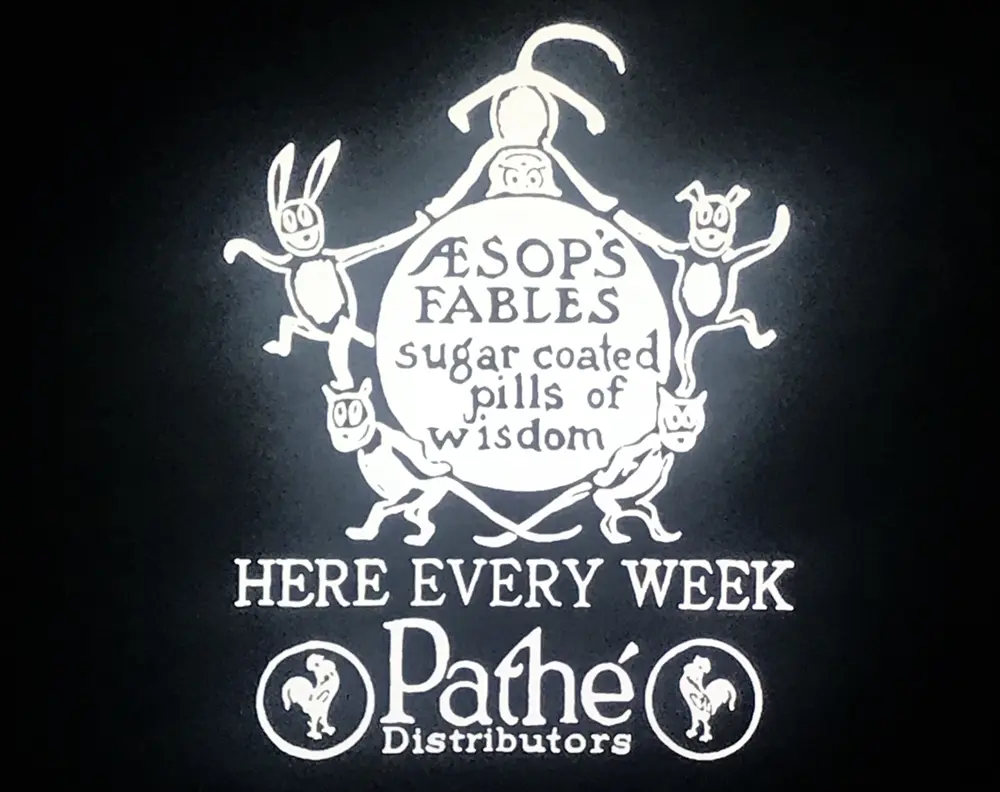
The use of black and white is stark. There is very little gray-scale work here. This creates a high-contrast look that makes the characters pop, but it also highlights the simplicity of the drawings.
Every Aesop's Fable short ended with a moral. In Hunting in 1950, the moral is as nonsensical as the plot. It feels tacked on to satisfy the branding of the series.
This cynicism is what makes the film interesting today. It doesn't care about the audience's emotional well-being. It just wants to get to the next punchline as quickly as possible.
We see similar patterns in You're Pinched, where the narrative logic is sacrificed for the sake of a quick visual joke. It is a product of its time in the worst and best ways.
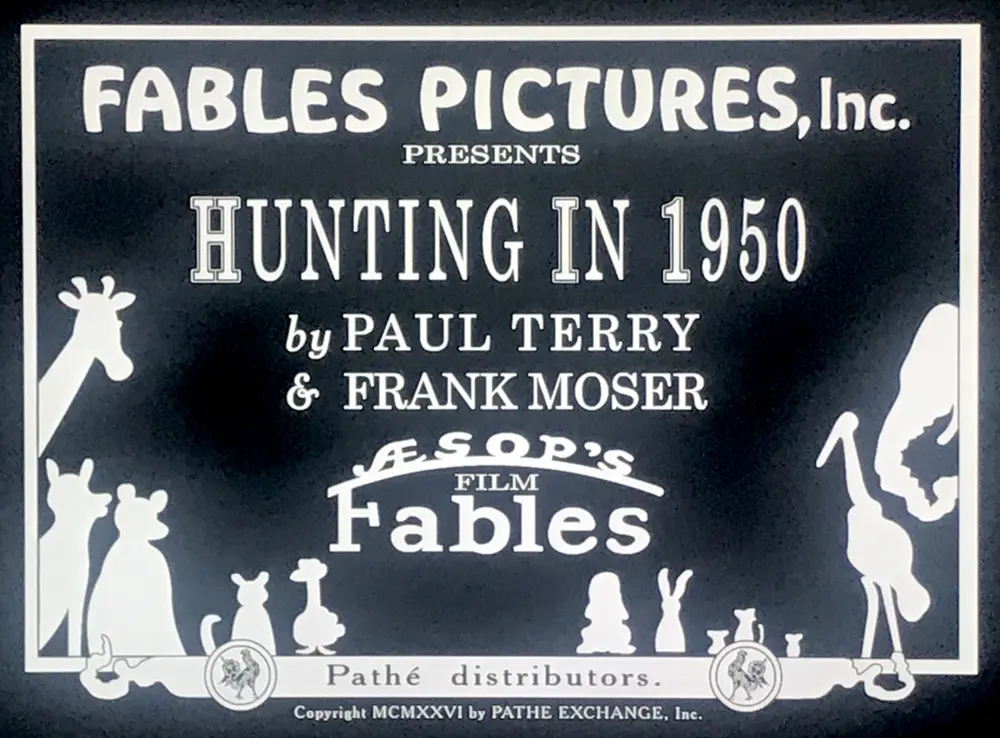
The film’s refusal to engage with its own sci-fi premise is its biggest failure. It could have been a satirical masterpiece. Instead, it’s just another day at the office for Paul Terry.
Pros: Fast-paced, historically significant, and features a classic animation archetype. The character designs are iconic in their simplicity.
Cons: The '1950' premise is wasted. The animation is frequently recycled, and the humor is often redundant and predictable.
If you are looking for a deep dive into the history of American animation, then yes. It provides a clear contrast to the more polished work being done by the Disney brothers at the time.
However, if you are looking for entertainment that holds up by modern standards, you will be disappointed. The film is a curiosity, a dusty artifact from a time when the medium was still finding its feet.
"Hunting in 1950 is a frantic, often incoherent look at a future that never was, through the lens of a creator who was too busy making deadlines to care about making art."
Hunting in 1950 is an industrial byproduct of the early silent era. It is not a masterpiece, but it is a vital piece of the puzzle for understanding how animation became the powerhouse industry it is today. Watch it for the history, not the hunt.
IMDb —
1928
Community
Log in to comment.