DbcultAccessing Vault...
Cult Review
Senior Film Conservator
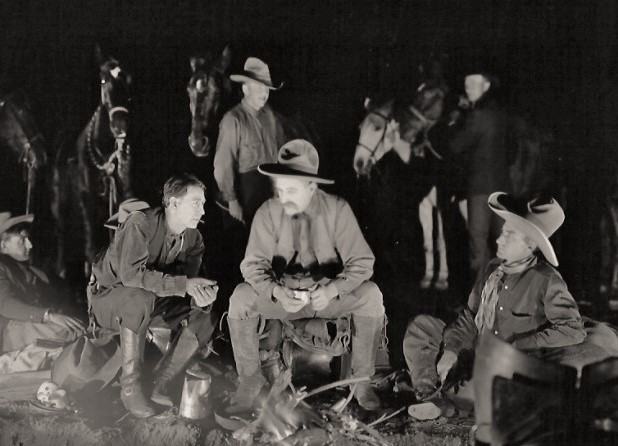
Step back in time, fellow film aficionados, to an era where flickering images and soaring orchestral scores told tales of heroism, romance, and the untamed spirit of a burgeoning nation. Today, we're unearthing a true gem from the silent era, a film that, despite its age, still pulsates with a vibrant energy and a timeless narrative: Henry Wallace Phillips's 1917 Western, The Red-Haired Cupid. This cinematic offering isn't just a historical artifact; it's a delightful exploration of classic archetypes, frontier sensibilities clashing with urban rigidity, and the irresistible power of love, all wrapped in the dusty, sun-baked aesthetic of early Hollywood.
In an age of rapid technological advancement in filmmaking, it’s easy to overlook the foundational narratives that shaped the genres we cherish today. The Red-Haired Cupid stands as a testament to the enduring appeal of the Western, a genre that, even in its nascent stages, was already perfecting its unique blend of action, drama, and heartwarming romance. It’s a film that speaks volumes without uttering a single word, relying instead on expressive performances, dynamic visual storytelling, and a plot that moves with the swiftness of a prairie wind.
Our story unfolds on the sprawling Chanta Seechee Ranch in Oklahoma, a domain where the rhythm of life is dictated by cattle, camaraderie, and the unwritten laws of the frontier. Here, William "Red" Saunders, portrayed with charismatic vigor by Roy Stewart, reigns as the capable foreman, a figure embodying the rugged independence and practical wisdom essential for survival in the Wild West. Red is a natural leader, respected by his men, and deeply attuned to the pulse of the land. His authority, however, is unexpectedly challenged by the arrival of Albert Jones, a Bostonian "tenderfoot" sent by the ranch's distant Eastern owners. Charles Dorian masterfully crafts Jones as the quintessential outsider – stiff, inexperienced, and armed with nothing but abstract "Eastern business methods" to impose upon a world that operates on grit and intuition.
This initial premise immediately sets up a delightful comedic and dramatic tension. The Eastern owners, detached from the realities of ranch life, represent a distant, bureaucratic hand attempting to micromanage a sphere they barely comprehend. Jones, their emissary, becomes the unwitting symbol of this cultural clash. Red, with his innate understanding of his men and the land, prevents a mass exodus of angry cowboys, illustrating his diplomatic prowess and deep loyalty. Yet, the simmering resentment of the ranch hands finds its outlet in a series of good-natured, albeit mischievous, pranks targeting the bewildered new manager. These early scenes are a masterclass in silent comedy, relying on exaggerated reactions and physical gags to convey the cowboys' frustration and their subtle rebellion against perceived effete authority.
The narrative truly shifts gears with the impending visit of Jones's niece, Loys Andres. The cowboys, ever ready for a laugh, anticipate an "old maid" ripe for their boisterous reception. This expectation, however, is gloriously subverted by Peggy Pearce's radiant portrayal of Loys. Her beauty and grace disarm everyone, transforming their cynical anticipation into genuine admiration. This moment is pivotal, underscoring the film's gentle humor and its ability to surprise. It's a classic cinematic reveal, executed with silent film's characteristic flair for dramatic entrances.
Among those most captivated is Kyle Lambert, Red's bunk-mate, played by Raymond Griffith. His immediate infatuation blossoms into a swift proposal, setting the romantic core of the film alight. The speed of their courtship, a common trope in early cinema, emphasizes the raw, passionate nature of frontier love, unburdened by the prolonged societal rituals of more urban settings. Loys, far from being a damsel in distress, is portrayed with an inner strength and charm that makes her a compelling romantic lead. Her presence not only softens the rough edges of the ranch hands but also serves as a catalyst for deeper emotional arcs.
True to the conventions of romantic drama, Albert Jones predictably attempts to thwart this blossoming romance. His rigid adherence to propriety and perhaps a paternalistic concern for his niece's future clash with the impetuous nature of young love. It is here that Red Saunders truly earns his titular moniker. Stepping into the role of a benevolent matchmaker, Red orchestrates an elopement, demonstrating his loyalty to his friends and his belief in the power of genuine affection over societal constraints. His actions highlight the film's thematic exploration of community support and the willingness of the frontier spirit to bend rules for a just cause. This element of ingenious problem-solving, where a clever protagonist outwits an antagonist, has parallels with the narrative spirit found in films like The Kid Is Clever, showcasing a prevalent theme of resourcefulness in early cinema.
However, the path to true love is rarely smooth in cinematic narratives. As Loys and Kyle attempt their escape, their journey is dramatically interrupted at a critical ford by the menacing figure of "Squint-Eye" Lucas, a notorious rustler. This sudden injection of peril elevates the stakes, transforming the romantic comedy into a thrilling Western adventure. Lucas's gunshot, which slightly wounds Kyle, serves as the ultimate test for the lovers and their allies. Loys, far from succumbing to panic, demonstrates remarkable courage and resourcefulness, racing back to the ranch for help. This moment emphasizes her character's strength and active participation in her own fate, rather than merely being a passive object of affection.
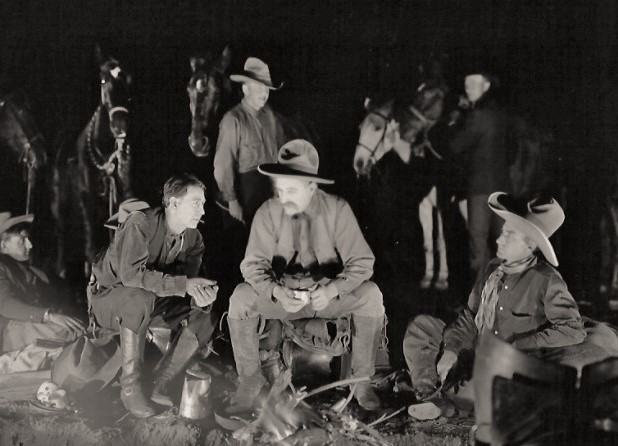
The climax is a quintessential Western showdown. Red, embodying the protector of his community, confronts and dispatches Lucas, ensuring Kyle's rescue. This swift act of justice not only resolves the immediate threat but also solidifies Red's heroic stature. The scene is likely rendered with the characteristic dynamism of silent action sequences, relying on quick cuts, close-ups of intense expressions, and physical stunts to convey the urgency and danger. The triumph of good over evil, a cornerstone of the Western genre, is powerfully affirmed here.
With the immediate danger averted, Loys and Kyle finally solemnize their union. Their marriage represents not just the culmination of their romance but also the ultimate victory of frontier spirit and heartfelt connection over the rigid, imported dogma of Albert Jones. Beaten, both literally and figuratively, Jones is forced to confront the undeniable power of love and community. His eventual, albeit grudging, blessing of the couple signifies a symbolic surrender of Eastern sensibilities to the undeniable force of the West. It suggests a potential integration, a softening of his rigid worldview, perhaps even an understanding that some matters of the heart transcend business methods.
The success of The Red-Haired Cupid, like all silent films, hinges entirely on the expressive capabilities of its cast and the ingenuity of its visual direction. Roy Stewart, as Red Saunders, delivers a performance that projects both authority and warmth, making him a compelling central figure. His gestures, facial expressions, and confident bearing convey Red's leadership and his fundamental good nature without the need for dialogue. Charles Dorian's Albert Jones is equally effective, his initial stiffness and bewilderment slowly giving way to a more nuanced, albeit still reluctant, acceptance. This transformation is crucial for the film's thematic resolution.
Peggy Pearce, as Loys Andres, brings a captivating blend of beauty, sweetness, and inner strength to her role. Her ability to convey charm and courage through non-verbal cues is essential for making her character believable and sympathetic. Raymond Griffith's Kyle Lambert, the smitten bunk-mate, rounds out the central quartet with an earnestness that makes his rapid courtship feel genuine within the film's context. The ensemble cast works in unison, each actor contributing to the film's emotional tapestry, relying on the universal language of human expression to communicate joy, frustration, love, and fear.
The cinematography, though limited by the technology of the era, likely made extensive use of the vast Oklahoma landscape, using wide shots to establish the isolation and grandeur of the frontier. The visual storytelling would have relied on clear blocking, dramatic close-ups to emphasize emotional moments, and perhaps parallel editing during the chase and rescue sequences to build suspense. The power of silent cinema lies in its ability to transcend language barriers, communicating universal human experiences through purely visual means, a feat that The Red-Haired Cupid undoubtedly achieved.
The Red-Haired Cupid, while perhaps not as widely known as some of its more epic contemporaries, is a delightful example of the robust storytelling that characterized the early Western genre. It deftly combines elements of romantic comedy, adventure, and social commentary, offering a charming glimpse into the cultural anxieties and aspirations of its time. The conflict between East and West, modernity and tradition, is a timeless theme that resonates even today, making the film more than just a period piece.
Its narrative structure, which moves from lighthearted mischief to dramatic peril and ultimately to a satisfying resolution, showcases a sophisticated understanding of pacing and audience engagement. The ultimate triumph of love and resilience over adversity, a common thread in many silent dramas, finds a charming expression here. For those interested in the evolution of cinema, particularly the Western, this film provides valuable insight into the foundational tropes and characterizations that would define the genre for decades to come. It reminds us that even without spoken dialogue, a compelling story, well-acted characters, and a clear vision can create an unforgettable cinematic experience.
In conclusion, The Red-Haired Cupid is more than just a historical footnote. It’s a vibrant, engaging piece of early American filmmaking that still possesses the power to entertain and charm. Its blend of humor, romance, and frontier action makes it a captivating watch, offering a window into a bygone era of storytelling. For anyone seeking to understand the roots of the Western genre or simply enjoy a well-crafted silent film, this delightful picture is a must-see. It's a testament to the fact that compelling narratives, strong characters, and universal themes of love and belonging transcend the limitations of technology and time, remaining eternally resonant.
IMDb —
1930
Community
Log in to comment.