DbcultAccessing Vault...
Cult Review
Senior Film Conservator
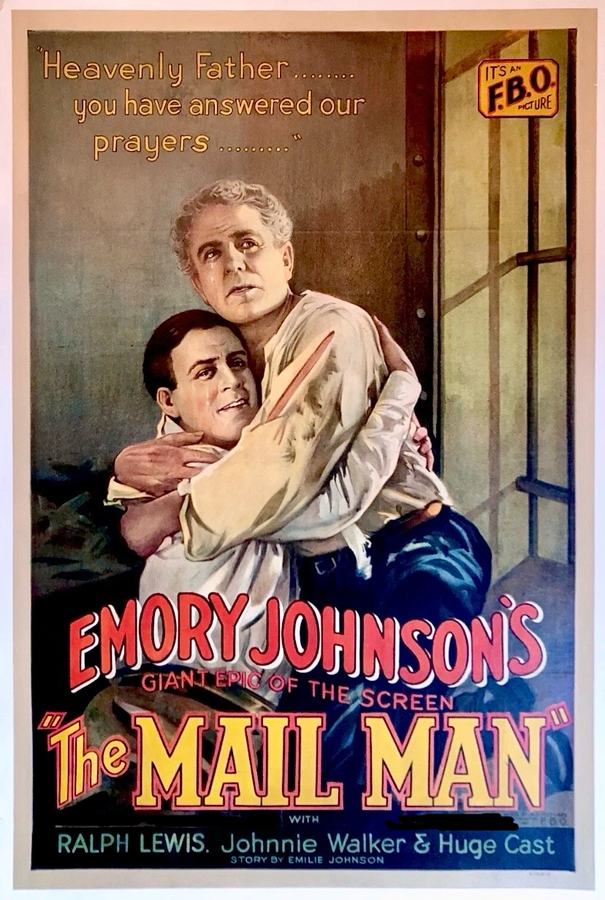
In the pantheon of early American cinema, few motifs carry the weight of moral absolute quite like the image of the civil servant. Emory Johnson’s The Mailman (1923) stands as a monumental testament to this ethos, transforming the daily grind of the postal worker into a Homeric struggle for integrity. Ralph Lewis, portraying the venerable Bob Morley, delivers a performance of such gravitas that he transcends the boundaries of the silent screen, embodying the very soul of a burgeoning nation’s logistical backbone. The film does not merely document a profession; it hallows it.
The narrative architecture of The Mailman is built upon the foundation of paternal legacy. When we first encounter the Morleys, they are being celebrated for their unwavering commitment to the U.S. Mail Service. This opening sequence is vital, establishing a baseline of respectability that makes Johnnie’s subsequent fall from grace all the more visceral. Unlike the pastoral innocence found in Starting Out in Life, Johnson’s work here quickly pivots into the realm of high-stakes melodrama, suggesting that even the most grounded lives are subject to the mercurial whims of destiny.
When Johnnie Walker’s character, Johnnie Morley, departs from the terrestrial reliability of the mail route to the unpredictable waters of the Enterprise, the film shifts its visual language. The ship becomes a microcosm of societal corruption, a stark contrast to the ordered world Bob Morley has inhabited for decades. The theft of the cargo and the subsequent shooting of the officer are filmed with a jarring intensity that predates the noir sensibilities of the following decades. Here, the film shares a certain DNA with The Secret of the Submarine, utilizing the isolation of a sea vessel to amplify the protagonist's vulnerability.
The trial and conviction of Johnnie are handled with a harrowing economy of style. We see the weight of the law, not as a beacon of truth, but as a crushing weight that demands a scapegoat. The cinematography captures the claustrophobia of the courtroom and the cell, highlighting the isolation of a man falsely accused. This theme of the 'wrong man' would later become a staple of Hitchcock, but in 1923, it served as a potent critique of circumstantial evidence. In many ways, the film’s treatment of the legal system is more cynical than the social optimism seen in Charity Castle.
The chemistry between Ralph Lewis and Johnnie Walker is the emotional anchor of the film. Lewis, with his weathered visage and steady hands, represents the old guard—a man who believes that the truth is as inevitable as the delivery of a letter. Walker, conversely, brings a frantic, youthful energy that underscores the tragedy of a life interrupted. Their interactions are sparse but laden with subtext, particularly during the scenes where Bob must reconcile his love for his son with his absolute devotion to the law and the service he represents.
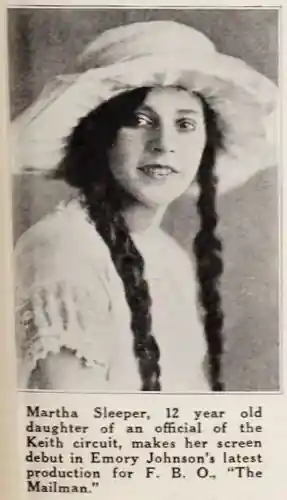
The supporting cast, featuring stalwarts like Hardee Kirkland and Virginia True Boardman, adds layers of texture to the domestic and professional spheres of the film. Boardman’s portrayal of the matriarchal figure provides a soft counterpoint to the rigid masculine world of the post office and the sea. Even the minor roles, such as those played by Martha Sleeper and David Kirby, are imbued with a sense of purpose that prevents the film from feeling like a mere star vehicle. This ensemble approach reminds one of the collaborative depth found in The Great Shadow.
Visually, The Mailman is a triumph of location shooting and studio craftsmanship. The maritime sequences are particularly impressive for the era, utilizing natural lighting and the expansive horizon to emphasize Johnnie’s insignificance against the backdrop of the crime. The editing by the uncredited cutters of the era maintains a brisk pace, ensuring that the transition from the celebratory beginning to the somber middle and the frantic finale feels earned rather than forced. The use of intertitles is judicious, allowing the actors’ expressions to carry the narrative weight, a technique that was reaching its zenith during this period of silent cinema.
Comparing this to the international style of Such Is Life Among the Children of France, one can see the American penchant for individualistic heroics. While European films of the time often focused on the collective or the abstract, The Mailman is fiercely personal. It is about one family, one reputation, and one specific set of values. Even when the film touches on broader themes of justice, it remains tethered to the Morley household, making the stakes intimate and relatable.
The resolution of the plot—a confession from the real culprit—is a classic trope of the melodrama, yet it is executed here with a sense of divine intervention. It isn't just about saving a life; it is about the restoration of the natural order. The mail must go through, and the Morley name must remain untarnished. This reliance on the eleventh-hour revelation is a narrative device that appears in many contemporary works, such as The Pretender, but here it feels particularly resonant because of the established sanctity of Bob Morley’s character.
One might argue that the ending is too convenient, but to do so is to misunderstand the purpose of the 1923 drama. This was not a period of moral ambiguity or gritty realism in the modern sense. It was an era of moral clarity. The confession serves as a validation of Bob’s faith in the system and his son. It is a moment of catharsis that the audience of the time demanded and that the film delivers with aplomb. The tension of the ticking clock is handled with more sophistication than in Edgar, the Detective, showing Emory Johnson’s superior grasp of narrative pacing.
Beyond the immediate plot, The Mailman offers a fascinating glimpse into the post-WWI American psyche. The emphasis on the U.S. Mail Service as a pillar of democracy reflects a period when government institutions were viewed with a mixture of reverence and patriotic pride. The postman was the literal link between the citizen and the state, a role that carried immense symbolic weight. By placing this figure at the center of a life-and-death drama, Johnson was tapping into a deep-seated respect for the working man that was also explored in films like Narayana or The Right of Way, albeit through different cultural lenses.
The film also subtly addresses the dangers of the modern world. The Enterprise represents the expanding frontiers of commerce and the risks that come with them. Johnnie’s desire to leave the security of the mail route for the promise of the sea is a classic tale of ambition meeting reality. It warns that while the world is wide, the foundations of one’s character are built in the small, repetitive acts of service. This moral lesson is delivered without being overly didactic, allowing the drama to lead the way.
In the grand tapestry of 1920s cinema, The Mailman deserves a more prominent place than it is currently afforded in the archives. It is a film that balances the scale of maritime disaster with the intimacy of a father’s grief. It manages to be both a thrilling crime drama and a quiet character study. While it may lack the experimental flourishes of Die Teufelskirche, it possesses a narrative heart that is undeniably powerful.
Ralph Lewis remains the standout, a beacon of stoicism in an era of often-overwrought acting. His ability to convey a lifetime of service in a single look is a masterclass in silent performance. As we look back at the films of 1923, from the domestic struggles of Her Price to the social commentary of You Can't Believe Everything, The Mailman stands tall as a work of singular focus and profound emotional resonance. It is a reminder that some of the greatest stories are not about kings or conquerors, but about the men who carry the letters, walk the routes, and maintain the fabric of society, one delivery at a time.
For those seeking a bridge between the early short-form narratives and the epic features of the late silent era, this film is an essential watch. It captures a moment in time when the world was changing, yet the values of loyalty and duty remained, in the eyes of the filmmakers at least, immutable. Emory Johnson and Emilie Johnson crafted a story that, while specific to its time, speaks to the universal desire for justice and the enduring bond between father and son. It is a celluloid treasure that continues to deliver, long after its initial postmark.
IMDb —
1925
Community
Log in to comment.