DbcultAccessing Vault...
6.8/10
Senior Film Conservator
A definitive 6.8/10 rating for a film that redefined the boundaries of cult cinema. The Man Who Came Back remains a cornerstone of transgressive art.
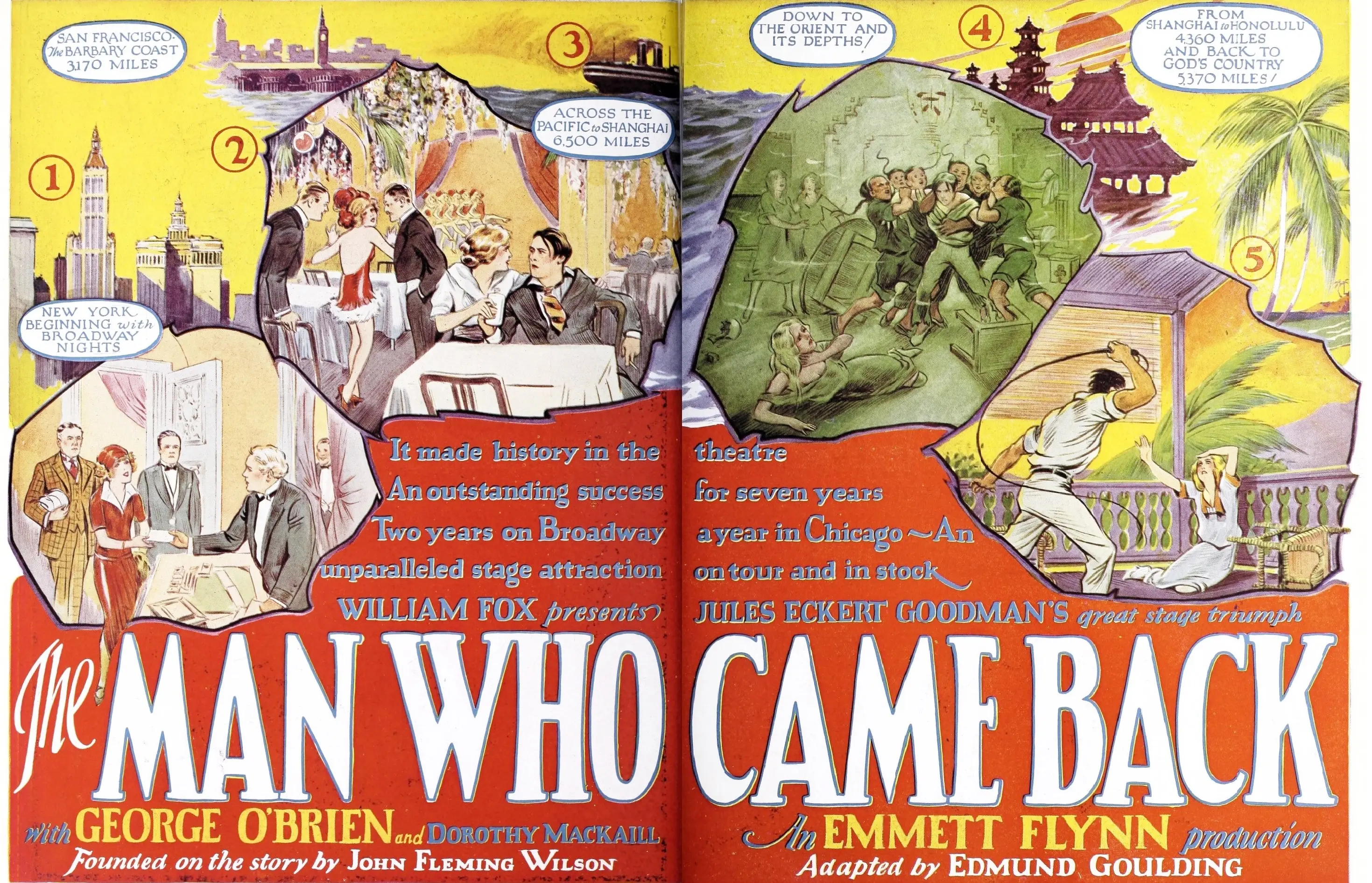
In the pantheon of silent cinema, few narratives capture the visceral oscillation between privilege and perdition with the raw intensity found in The Man Who Came Back (1924). This is not merely a story of a wayward son; it is a sprawling, global odyssey that interrogates the fragile veneer of social standing and the grueling mechanics of the human soul's reconstruction. Directed with a keen eye for atmospheric contrast, the film moves from the sterile opulence of New York to the foggy docks of San Francisco, the claustrophobic miasma of Shanghai, and finally the deceptive serenity of Honolulu.
The film opens by establishing Henry Potter (George O'Brien) as a character defined by his vacancies. Unlike the protagonists seen in films like A Gentleman from Mississippi, who navigate social hierarchies with a certain degree of inherent nobility, Henry is a vacuum of purpose. His father’s decision to banish him to the West Coast is a desperate attempt at social alchemy—turning leaden laziness into golden industry. However, Henry’s reaction is a fascinating psychological study. He views his father's ultimatum not as a challenge to rise, but as a provocation to sink. This spiteful descent into the San Francisco docks provides a gritty, industrial backdrop that rivals the atmospheric tension in The Whistle.
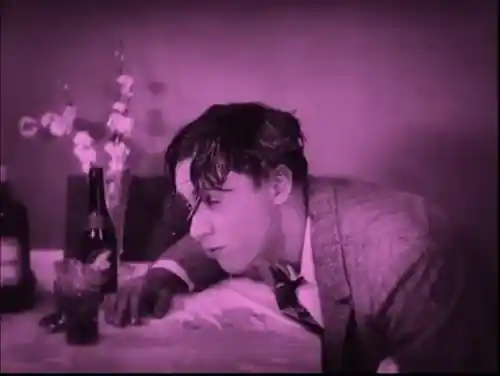
In San Francisco, the cinematography shifts. The lighting becomes harsher, the shadows more intrusive. George O'Brien, often remembered for his Herculean physique in later Murnau masterpieces, portrays Henry's early dissolution with a surprising lack of vanity. He is unkempt, belligerent, and utterly devoid of the charm one might expect from a cinematic playboy. It is in this crucible of resentment that he meets Marcelle (Dorothy Mackaill). Their chemistry is the emotional anchor of the film, a desperate tether between two people who are both, in their own ways, discarded by the polite society they once occupied.
The narrative’s most harrowing transition occurs when Henry is shanghaied. The move to Shanghai is depicted with a stylistic shift toward what we might now recognize as proto-noir. The opium dens are not merely sets; they are visual manifestations of internal decay. The sea blue (#0E7490) tones of the harbor mist contrast sharply with the dark orange (#C2410C) glow of the lanterns inside the dens, creating a palette of existential dread. Here, the film avoids the simplistic moralizing common in the mid-1920s, opting instead for a gritty realism that echoes the thematic weight of The Halfbreed.
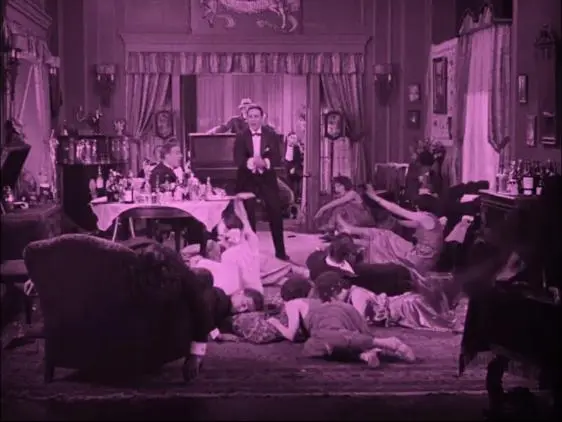
The revelation that Marcelle has followed Henry into this abyss, only to succumb to her own addictions, is a masterstroke of dramatic irony. Dorothy Mackaill’s performance in these sequences is haunting. Her transformation from a vibrant cabaret dancer to a hollowed-out addict is achieved with minimal artifice and maximum emotional resonance. When they recognize each other in the haze of the den, the film reaches its emotional peak. It is a moment of shared recognition that they have both reached the absolute floor of human experience. Their pact—the "codicil" of their shared survival—is a legalistic framing of an emotional desperation that feels remarkably modern.
The transition to the pineapple ranch in Honolulu offers a visual and thematic reprieve. The agrarian setting serves as a site of purification, a trope often explored in silent cinema to signify a return to nature and "true" values, much like the isolationist struggles in The Alaskan or the survivalist themes in Robinson Crusoe Hours. The labor is backbreaking, but it is portrayed as a holy ritual of penance. The yellow (#EAB308) hues of the Hawaiian sun symbolize a new dawn, yet the shadows of their past remain long.
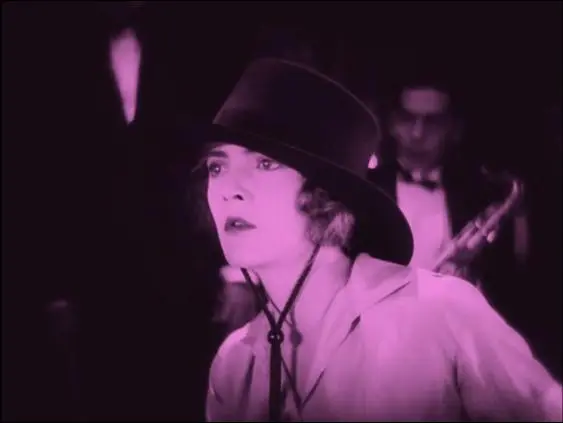
The arrival of the Potter family introduces a classic class conflict. The father’s illness serves as the catalyst for Henry’s potential return to New York, but it is Marcelle’s reaction that provides the film’s most complex moral quandary. Believing she is an albatross around Henry's neck—a sentiment often explored in female-led dramas of the era like The Career of Katherine Bush—she stages a fake relapse. This scene, where she handles the needle in front of the family, is a devastating display of self-abnegation. It elevates the film from a standard redemption arc into a tragedy of misinterpreted virtue.
Technically, The Man Who Came Back is a triumph of pacing. The screenplay, adapted by Edmund Goulding and Jules Eckert Goodman, manages to bridge four distinct geographical locations without losing the central character thread. The use of title cards is judicious, allowing the actors’ physical performances to convey the bulk of the psychological heavy lifting. The film's preoccupation with the "fall and rise" motif is handled with more nuance than contemporary efforts like In Bad or The Little Fool.
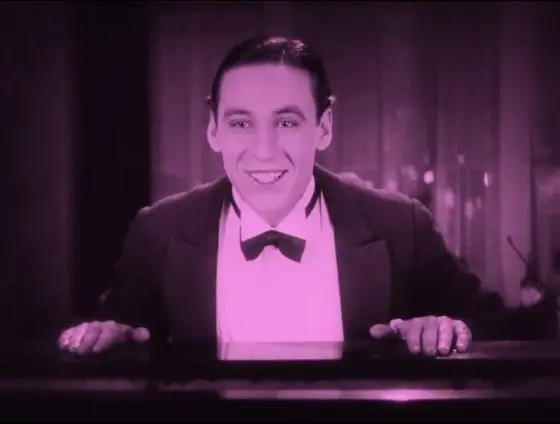
The cinematography by Arthur Edeson (who would later go on to lens Casablanca and Frankenstein) is particularly noteworthy. He captures the textures of the various environments—the cold stone of the New York mansion, the splintering wood of the San Francisco docks, the silken drapes of the Shanghai dens—with a tactile quality that grounds the melodrama. This visual fidelity is what separates this film from more ethereal or "dream-like" silent films like Golden Dreams.
What remains most striking about this 1924 iteration is its refusal to offer an easy out. While the ending moves toward a traditional resolution, the scars of the journey are visible. Henry and Marcelle are not the same people they were at the start; they are forged in the fire of their own failures. This gritty persistence is a hallmark of the era's best dramas, reflecting a post-WWI cynicism that demanded more than simple happy endings. It shares a certain spiritual DNA with The Bargain, where the cost of a new life is always a piece of the old one.
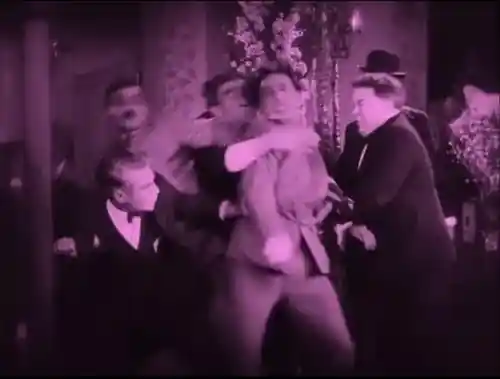
In comparing this to other works of the time, such as Her First Kiss or the more whimsical Her Five-Foot Highness, one sees a stark contrast in maturity. The Man Who Came Back is a film for adults, dealing with adult consequences—addiction, abandonment, and the agonizing choice between familial duty and chosen love. It avoids the simplistic heroics found in Devil McCare or the romanticized frontiers of Nan of Music Mountain.
Ultimately, the film stands as a testament to the power of silent storytelling. Without the benefit of spoken dialogue, it explores the depths of human depravity and the heights of self-sacrifice. It is a cinematic pilgrimage through the dark night of the soul, ending not in a return to the status quo, but in the birth of a new, battle-hardened identity. For those seeking a silent film that transcends its age to speak directly to the timeless nature of addiction and recovery, this is an essential viewing. It is a work of profound empathy and unflinching grit, a true masterpiece of the silent era’s twilight years.
Note: While modern audiences may find the pacing of silent cinema deliberate, the emotional payoffs in 'The Man Who Came Back' are as potent today as they were in 1924. The film’s exploration of the 'codicil' remains one of the most poignant depictions of mutual accountability in film history.
IMDb 5.5
1930
Community
Log in to comment.