DbcultAccessing Vault...
Cult Review
Senior Film Conservator
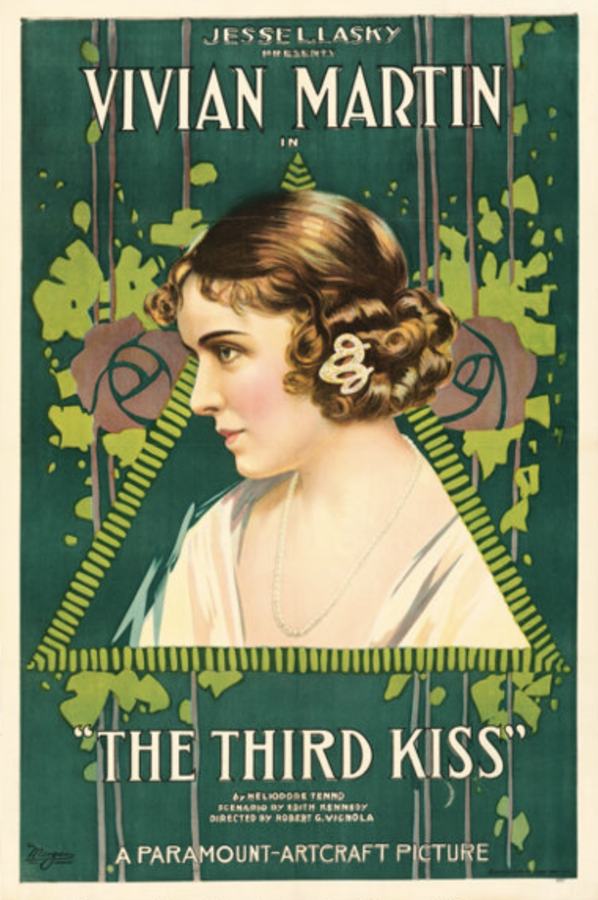
Stepping back into the cinematic tapestry of the early 20th century, one encounters a remarkable gem in "The Third Kiss". This film transcends mere entertainment, offering a profound exploration of moral reckoning, societal pressures, and the unpredictable currents of the human heart. It is a narrative that, even in its silent grandeur, speaks volumes about the enduring complexities of love, duty, and the arduous path to redemption. From the very outset, the film establishes a tone of weighty consequence, drawing viewers into a world where personal responsibility clashes dramatically with the entrenched expectations of a rigid social hierarchy. The brilliance of its storytelling lies not just in the unfolding drama but in its nuanced portrayal of characters striving to navigate a labyrinth of ethical dilemmas and emotional revelations.
At the heart of this compelling drama is Missy, an heiress whose privileged existence is irrevocably shadowed by the catastrophic negligence of her late uncle. The devastating fire at his box factory, a direct result of his criminal carelessness, claimed innocent lives and left an indelible scar on Missy’s conscience. Unlike many who might choose to distance themselves from such a tainted legacy, Missy embarks on a deeply personal quest for atonement. Her decision to forsake her aristocratic comforts and assume the guise of a factory employee is a testament to an extraordinary moral courage, setting the stage for a narrative rich in empathetic depth and social commentary. This act of self-effacement is not merely a plot device; it is the very crucible in which her character is forged, transforming her from a passive inheritor of ill-gotten gains into an active agent of justice and compassion. Her journey echoes the profound moral introspection found in films like "Paying His Debt", where characters grapple with past wrongs, or even the spiritual seeking in "Tepeyac", albeit in a secular context of social justice.
Under this new, humble identity, Missy immerses herself in the lives of those directly affected by her uncle's transgressions, undertaking settlement work that brings her into intimate contact with the very fabric of the community she seeks to heal. It is within this changed landscape that she encounters Rupert Bawlf and his wife, Cynthia. Rupert, a figure already somewhat adrift in the currents of societal expectation, finds himself increasingly captivated by Missy’s quiet strength and enigmatic charm. This burgeoning infatuation, however, does not escape the notice of society’s watchful eyes. Rupert’s friends, the astute Oliver Cloyne and the observant Dr. Paton, quickly perceive the potential for scandal, recognizing the delicate balance of reputations within their tightly knit circles. Their concern highlights the pervasive influence of social decorum and the unforgiving nature of gossip, a theme explored with similar intensity in dramas concerning reputation and perception, such as "Three Weeks", where societal judgment can be a character in itself.
Oliver Cloyne, a character of intriguing complexity, steps forward with a drastic, yet seemingly pragmatic, solution to avert the impending social catastrophe for the Bawlfs. He proposes a marriage of convenience to Missy, a union explicitly designed to be temporary, promising a divorce once the scandal has been successfully mitigated. This arrangement, born out of necessity rather than affection, initially frames Cloyne as a man of calculated actions, prioritizing reputation above all else. However, the narrative subtly hints at deeper currents beneath his composed exterior, suggesting a character capable of growth and genuine emotion. This type of utilitarian marriage, often a staple of period dramas, serves as a fascinating counterpoint to the more passionate, albeit often ill-fated, romances of the era, drawing parallels to the societal constraints on personal happiness seen in films like "Dorian's Divorce", where legal and social ties often supersede individual desires.
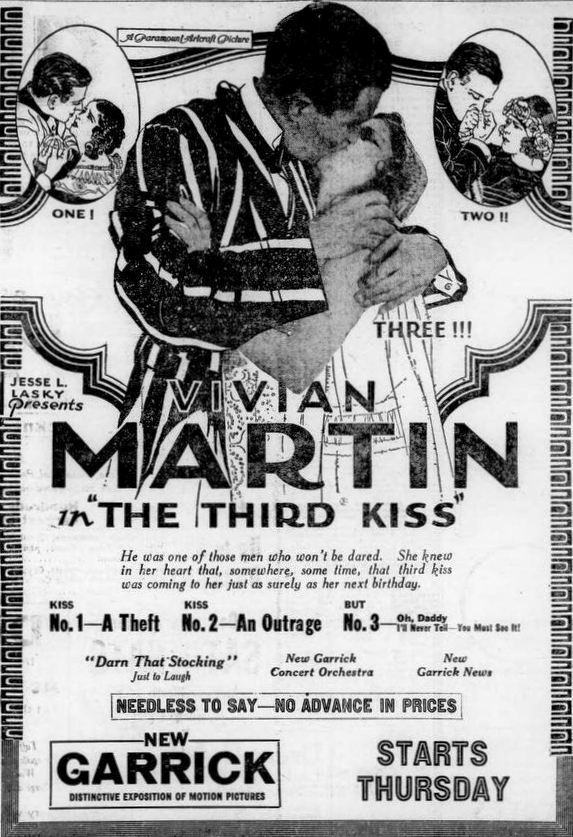
The honeymoon, typically a period of romantic bliss, becomes instead a stage for unexpected revelations. It is during this time that Cloyne, through circumstances not fully detailed but powerfully implied, discovers Missy’s true identity as a wealthy heiress. This revelation fundamentally shifts the dynamics of their arranged marriage, injecting a layer of intrigue and moral ambiguity into Cloyne’s character. His subsequent actions, marked by two distinct kisses, are imbued with newfound significance. They are not mere gestures of affection but declarations, unspoken yet profoundly felt, hinting at a burgeoning desire to transcend the terms of their agreement. His declaration that a third kiss would signify his intention to "keep her" forever elevates the simple act of kissing into a powerful symbol of commitment and evolving love, transforming a contractual obligation into a potential bond of the heart. This pivotal moment underscores the film's thematic depth, exploring how circumstances can reframe perception and ignite unforeseen emotions.
The performances in "The Third Kiss" are nothing short of captivating, a testament to the silent era's unique demands for expressive physicality and nuanced facial performance. Vivian Martin, as Missy, delivers a portrayal of remarkable depth and quiet strength. Her eyes convey the weight of her conscience, the sincerity of her atonement, and the gradual blossoming of her affection for Cloyne. Martin avoids the histrionics often associated with silent film, opting instead for a subtle, internal performance that draws the audience into Missy’s emotional landscape. She perfectly embodies the delicate balance of vulnerability and resilience required for a character undertaking such a challenging moral journey. Her performance here, much like the compelling portrayals in films such as "Her Life for Liberty", showcases a female lead who drives the narrative through sheer force of will and moral conviction.
Thomas Persse, in the role of Oliver Cloyne, brings a compelling gravitas to a character who could easily have been a mere plot device. Persse navigates Cloyne’s transformation from a pragmatic problem-solver to a man genuinely in love with admirable skill. His initial stiffness gradually gives way to warmth, his gestures becoming more tender, his gaze more ardent. It’s a masterful demonstration of how silent actors conveyed internal shifts without dialogue, relying solely on expression and body language. The gradual softening of Cloyne's character is one of the film's most satisfying arcs.
Robert Ellis, as Rupert Bawlf, portrays a man caught between his desires and societal expectations, ultimately finding a measure of repentance. His journey from infatuation to regret is handled with a believable sincerity that prevents him from becoming a one-dimensional antagonist. The supporting cast, including Kathleen Kirkley, Jane Keckley, Harrison Ford (the silent film actor, not the later star), and Edna Mae Cooper, each contribute to the rich tapestry of the film’s world, lending authenticity and depth to the social fabric within which the main drama unfolds. Their collective efforts ensure that even minor characters feel integral to the narrative's emotional resonance.
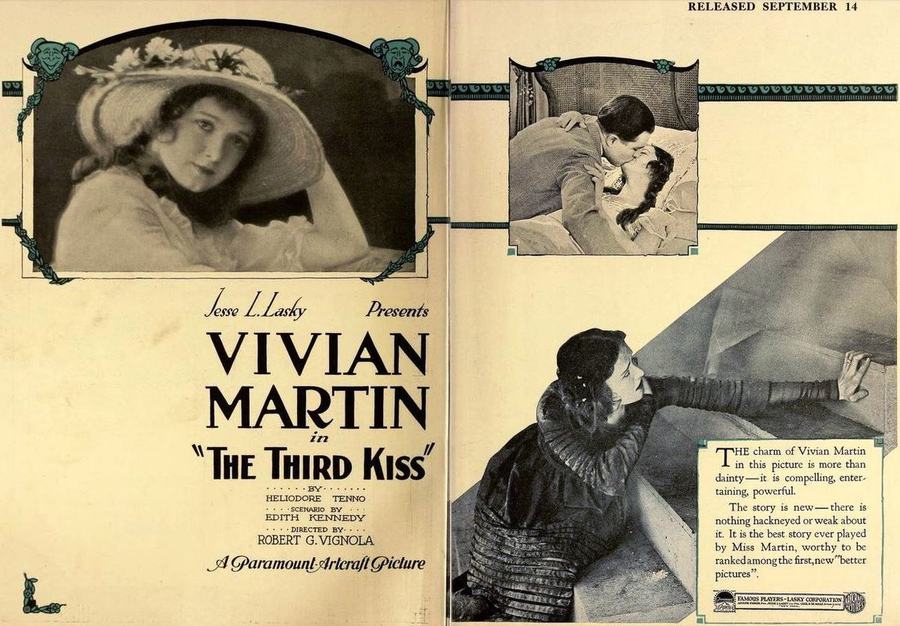
The directorial vision, combined with the intricate screenwriting, forms the backbone of "The Third Kiss". While specific directorial credits are often less defined in this era, the narrative flow and visual storytelling speak volumes. The writers, Heliodore Tenno and Edith M. Kennedy, deserve immense credit for crafting a plot that, despite its melodramatic flourishes typical of the period, feels remarkably grounded in human emotion and moral complexity. They skillfully weave together themes of social responsibility, class disparity, and the transformative power of love. The pacing is deliberate, allowing moments of quiet reflection to breathe alongside dramatic confrontations, a characteristic that sets it apart from more frenetic contemporary productions. The dialogue, delivered through intertitles, is concise and impactful, advancing the plot without unnecessary exposition, a hallmark of effective silent film writing.
The film’s visual language is equally compelling. Cinematography captures the elegance of high society and the grittiness of industrial life with equal measure, creating a stark contrast that underscores Missy’s journey between these two worlds. The use of light and shadow, a fundamental tool in silent cinema, is employed to great effect, enhancing emotional states and dramatic tension. This visual sophistication, typical of the better productions of the era, ensures that the film is not just a story told, but an experience felt. It is in this careful construction of visual and narrative elements that the film finds its lasting power, much like the thoughtful compositions found in "The Gray Horizon", where atmosphere and character intertwine.
The narrative builds inexorably towards its dramatic climax, a testament to the writers' ability to heighten tension and deliver a satisfying resolution. Rupert Bawlf, having been firmly rejected by Missy and confronted with the consequences of his actions, undergoes a period of genuine repentance. This arc, though secondary to the main romance, adds another layer of moral complexity, suggesting that redemption is possible even for those who initially falter. His journey mirrors the struggles with moral accountability seen in films such as "The Cast-Off", where characters must confront their past to secure a future.
The literal and metaphorical fires that bookend the story come full circle in the film’s thrilling denouement. Missy finds herself in peril, trapped in a burning building – a resonant echo of the factory fire that initiated her quest. It is Oliver Cloyne who, with heroic resolve, rescues her from the flames. This act of bravery is not merely a plot contrivance but a powerful symbol of his evolved character, demonstrating a love that transcends social agreements and personal gain. In the aftermath of this harrowing rescue, Cloyne bestows upon Missy the fabled third kiss. This kiss, unlike the previous two, is not a declaration of intent based on discovery or obligation. It is a profound affirmation of mutual love, forged in the crucible of shared experience and tested by adversity. It signifies a bond that is authentic, passionate, and freely chosen, a beautiful culmination of their intertwined destinies. This climactic moment resonates with the emotional intensity and profound personal choices often depicted in other romantic dramas of the era, such as "The Valentine Girl", though with a distinct layer of moral depth.
"The Third Kiss" is more than just a historical artifact; it is a vibrant narrative that continues to captivate audiences with its timeless themes and masterful execution. Its exploration of atonement, the complexities of societal judgment, and the unpredictable nature of love remains as relevant today as it was in its initial release. The film’s ability to convey profound emotion and intricate character development without spoken dialogue is a testament to the artistry of silent cinema and the enduring power of visual storytelling. It reminds us that true connection often arises from unexpected places, and that genuine love can blossom even from the most pragmatic of beginnings. For enthusiasts of classic film, it offers a window into the narrative sophistication and emotional depth that characterized the best productions of its era, standing proudly alongside other thoughtful dramas like "Der Märtyrer seines Herzens" in its exploration of the human heart's profound capacity for sacrifice and love. Its legacy is not just in its historical significance, but in its continued ability to move and inspire, proving that some stories, like some kisses, are truly timeless.
The film’s meticulous attention to detail, from costume design to set pieces, further immerses the viewer in its historical setting. Every frame feels purposeful, contributing to the overall atmosphere and reinforcing the narrative’s emotional beats. The use of intertitles, far from being a mere necessity, becomes an art form in itself, with carefully chosen words enhancing the drama and providing crucial insights into the characters’ inner thoughts and motivations. This careful craftsmanship ensures that the film holds up remarkably well, inviting re-examination and appreciation for its subtle artistry. It is a powerful reminder of the foundational elements of cinematic storytelling, elements that continue to influence filmmaking today. The journey of Missy and Oliver, from an arrangement of convenience to a bond of genuine affection, is a compelling testament to the idea that love can indeed conquer all, even the most rigid of social conventions and the most daunting of personal burdens.
IMDb 5
1916
Community
Log in to comment.