DbcultAccessing Vault...
Cult Review
Senior Film Conservator
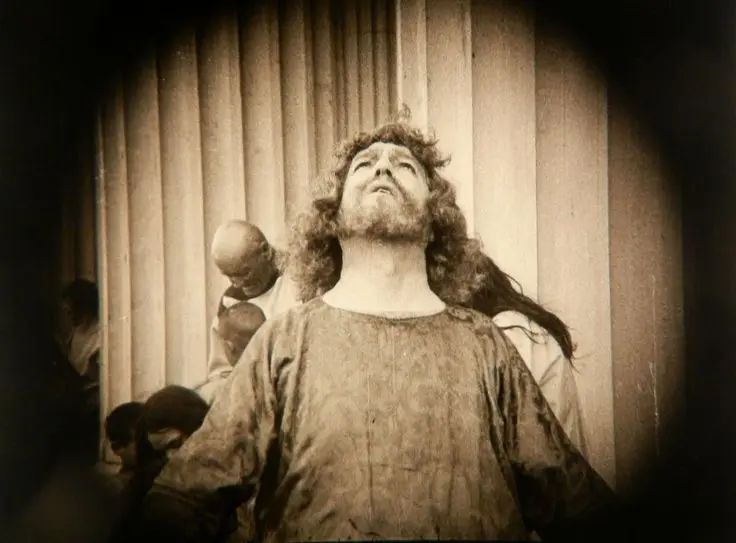
I Valdesi. Un Popolo di Martiri (1914) is a remarkable silent film that takes its audience on a profound journey through the lives of the Valdesi Protestants, a historically persecuted religious minority in Chiti, Italy. The film, directed and written by Nino Martinengo, presents a deeply moving narrative that intertwines personal struggles with broader themes of faith, community, and cultural endurance. The setting, a 17th-century village, is rendered with meticulous attention to detail, providing a vivid and immersive backdrop that enhances the storytelling.
At the heart of the film are the stories of its protagonists, who navigate the challenges of their faith and the encroaching forces of intolerance. Martinengo's direction is a masterclass in visual storytelling, utilizing the silent film medium to convey a range of emotions through facial expressions, body language, and carefully composed scenes. The performances, particularly by Martinengo himself, are both subtle and emotionally charged, capturing the depth of the characters' inner worlds without the reliance on dialogue.
The cinematography is a standout feature of the film. The use of natural light and shadow creates a somber yet profoundly evocative atmosphere, perfectly complementing the narrative's somber yet hopeful tone. The Valdesi landscapes, with their rugged terrain and dense forests, serve as both a physical and spiritual environment for the characters, reflecting their unwavering commitment to their faith and culture. The score, while silent, is felt through the subtle use of music and sounds, adding layers of emotional complexity to the scenes.
The film's narrative is a tapestry of individual and collective experiences, weaving together the lives of the Valdesi community with the broader historical context of their persecution. Through the lens of personal hardship and communal solidarity, the film explores the resilience of faith and the indomitable spirit of a people willing to defend their beliefs. Major plot points include the characters' battles against religious intolerance, the internal conflicts within the community, and the ultimate triumph of faith and unity in the face of adversity.
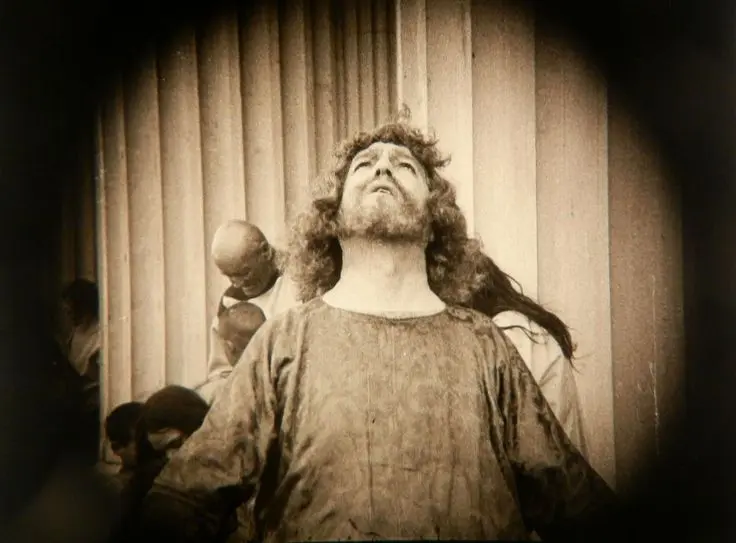
Nino Martinengo's screenplay is a poignant reflection on the human condition, blending historical accuracy with artistic insight. The dialogue, when present, is sparse and meaningful, allowing the power of the visual storytelling to take center stage. The film's pacing is deliberate, allowing for a rich exploration of character development and thematic depth. Scenes that depict religious rituals and communal gatherings are particularly powerful, capturing the essence of the Valdesi community's unwavering faith and the bonds that tie them together.
The performances in I Valdesi. Un Popolo di Martiri are uniformly strong, with particular highlights from Martinengo's portrayal of a devout leader and the nuanced performances of supporting actors. The acting style, rooted in the silent film era, emphasizes the importance of facial expressions and body language, creating a compelling and relatable portrayal of the characters. The chemistry between the actors is palpable, enhancing the emotional impact of the film's key scenes.
The film's visual storytelling is complemented by its rich historical context. The attention to detail in the costumes, sets, and props is impressive, transporting the audience back to 17th-century Italy. The use of period-specific elements, such as clothing and architectural details, provides a vivid and authentic representation of the Valdesi community's world. This historical accuracy adds depth and authenticity to the narrative, making the film not just a work of art but a window into a bygone era.
Comparatively, I Valdesi. Un Popolo di Martiri stands out among its contemporaries, such as Soldiers of Fortune and Flying Colors, both of which focus on adventure and heroism. However, it excels in its exploration of faith and community, setting it apart as a unique and profound cinematic experience. The film's lasting impact is a testament to its ability to transcend the limitations of the silent era and resonate with contemporary audiences.
Ultimately, I Valdesi. Un Popolo di Martiri is a masterpiece of early cinema, a film that continues to captivate and inspire. Its themes of faith, community, and resilience remain as relevant today as they were over a century ago. For those interested in the rich tapestry of early silent films and the cultural and historical significance of religious minority communities, it is an absolute must-watch. Nino Martinengo's direction, combined with the film's rich visual and emotional landscapes, make I Valdesi. Un Popolo di Martiri a landmark in the history of cinema, a work that endures as a testament to the enduring power of faith and human spirit.

IMDb —
1917
Community
Log in to comment.