DbcultAccessing Vault...
Cult Review
Senior Film Conservator
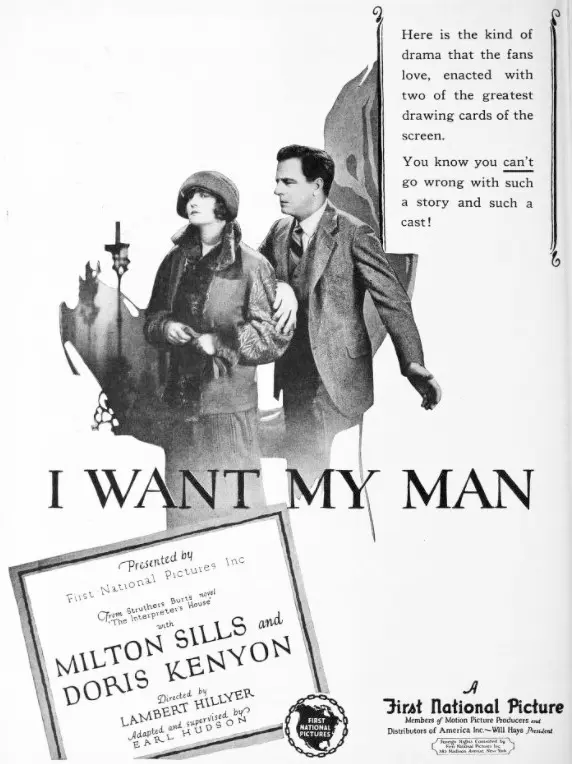
Is I Want My Man a silent era relic worth digging up? Short answer: Yes, but only if you appreciate the heightened emotional logic of the 1920s melodrama over modern cynicism. This film is a definitive experience for those who love the 'grand gesture' of silent cinema; it is not for viewers who require medical realism or logical character transparency.
This film works because Milton Sills delivers an intensely physical performance that captures the vulnerability of a soldier transitioning from darkness to a world he no longer recognizes.
This film fails because the central plot point—a husband failing to recognize his wife’s voice and spirit simply because he has never seen her face—requires a monumental leap of faith from the audience.
You should watch it if you are a fan of high-stakes romantic drama that uses social ruin and physical disability as catalysts for exploring the true nature of devotion.
In the landscape of 1925 cinema, I Want My Man stands as a fascinating study of identity. Milton Sills, an actor often celebrated for his ruggedness, plays Gulian Eyre with a surprising delicacy. The early scenes in France, draped in the soft focus typical of post-war romanticism, establish a world where touch is the primary medium of communication. Unlike the sweeping scale of The Four Horsemen of the Apocalypse, this film keeps its focus tight on the intimacy of the recovery ward.
The cinematography during the surgery sequence is particularly striking. While we don't see the gore of the operation, the tension is conveyed through the tight framing of Sills' bandaged face. It is a moment of profound cinematic irony: the protagonist's greatest victory—regaining his sight—is the very catalyst for his greatest personal loss. The film uses shadow and light to mirror Gulian's internal state. When he is blind, the lighting is warm and inclusive; once he regains his sight in the cold, bright halls of his American estate, the shadows become sharper, more isolating.
The performance of Doris Kenyon as Vida is the film's emotional anchor. She manages to convey a deep-seated insecurity that feels modern, even if the plot mechanics are dated. When she tells Gulian she is 'disfigured' to test his love, it isn't just a plot device; it’s a searing indictment of the era's obsession with physical perfection. This theme of superficiality vs. substance is a recurring trope in 1920s cinema, seen in various forms in films like Shattered Idols.
For any student of the silent era, I Want My Man is an essential watch. It offers a unique perspective on the 'returned soldier' narrative that dominated the decade. While many films focused on the glory or the horror of the trenches, this film focuses on the difficult, often silent, work of reconstruction—both of the body and the heart. It is a film that demands you sit with discomfort. The pacing in the second act slows down significantly, allowing the weight of the Eyre family's social standing to press down on the characters.
If you are looking for a fast-paced thriller, this is not it. However, if you want to see how the 1920s handled the concept of 'the companion'—a role often filled by women of lower social standing in wealthy households—this film provides a masterclass. The tension between Vida and Gulian’s mother, played with a stiff-necked authority by Theresa Maxwell Conover, creates a secondary conflict that is almost as compelling as the central romance. It captures the class anxieties of the time perfectly.
One of the most surprising turns in the film is the sudden shift from romantic melodrama to financial tragedy. The suicide of Gulian’s brother-in-law after squandering the family fortune feels like a precursor to the real-world crash that would happen four years after the film's release. This moment strips Gulian of his social armor. It is only when he is 'impoverished'—a term used with great weight in the intertitles—that his shallow fiancée, Lael, reveals her true colors.
This narrative beat is handled with a brutal efficiency. There is a specific scene where Lael breaks the engagement; the way the camera lingers on her hands as she realizes the jewels and the status are gone is a sharp piece of character work. It contrasts beautifully with Vida’s unwavering presence. In this world, money is sight, and poverty is a different kind of blindness. The film argues that Gulian was never more blind than when he was looking at Lael and seeing a future.
The directing by Lambert Hillyer (though often known for Westerns) shows a keen eye for domestic tension. He uses the architecture of the Eyre mansion to separate characters, often placing Vida in the background or behind doorways, emphasizing her status as an 'invisible' servant. This visual storytelling bridges the gap for the audience, making the fact that Gulian doesn't recognize her slightly more palatable. She has literally become part of the furniture in his mind.
Pros:
Cons:
When compared to other films of the mid-20s, such as Chickie or The Sporting Venus, I Want My Man feels more grounded in a somber reality. While Chickie deals with the flapper culture and the perils of modern romance, I Want My Man is tethered to the trauma of the past. It is a 'heavier' film, both in its lighting and its thematic weight. It shares a certain DNA with Assunta Spina in its depiction of a woman sacrificed at the altar of a man’s perception, though the setting is vastly different.
The film also touches upon the 'working girl' trope that was popular in titles like Daytime Wives, but it subverts it by making the woman the secret owner of the man’s past. This creates a power dynamic that is fascinating to watch. Vida holds all the cards, yet she is paralyzed by her own fear of rejection. It’s a psychological stalemate that keeps the tension high even when the plot seems to be treading water.
One cannot ignore the technical proficiency of the era's editing. The way the film cuts between Gulian’s new life and Vida’s quiet observation of it creates a sense of voyeurism. We are forced to watch his mistakes through her eyes. It’s effective. It’s frustrating. It works. But it’s undeniably flawed by its own theatricality.
I Want My Man is a fascinating, if occasionally exasperating, piece of silent cinema. It takes a bold stance on the nature of love, suggesting that true sight has nothing to do with the eyes. While the 'unrecognized voice' plot point is a massive hurdle, the emotional payoff in the final act is earned through the systematic destruction of Gulian’s ego. By the time the reveal happens, he is a man stripped of his fortune and his pride, making his eventual reunion with Vida feel like a rebirth rather than just a plot resolution. It is a film about the necessity of losing everything to see what actually matters. It is a loud, proud melodrama that wears its heart on its sleeve, and for that alone, it deserves a spot in the canon of 1920s romantic drama.
IMDb 6
1932
Community
Log in to comment.