DbcultAccessing Vault...
6.3/10
Senior Film Conservator
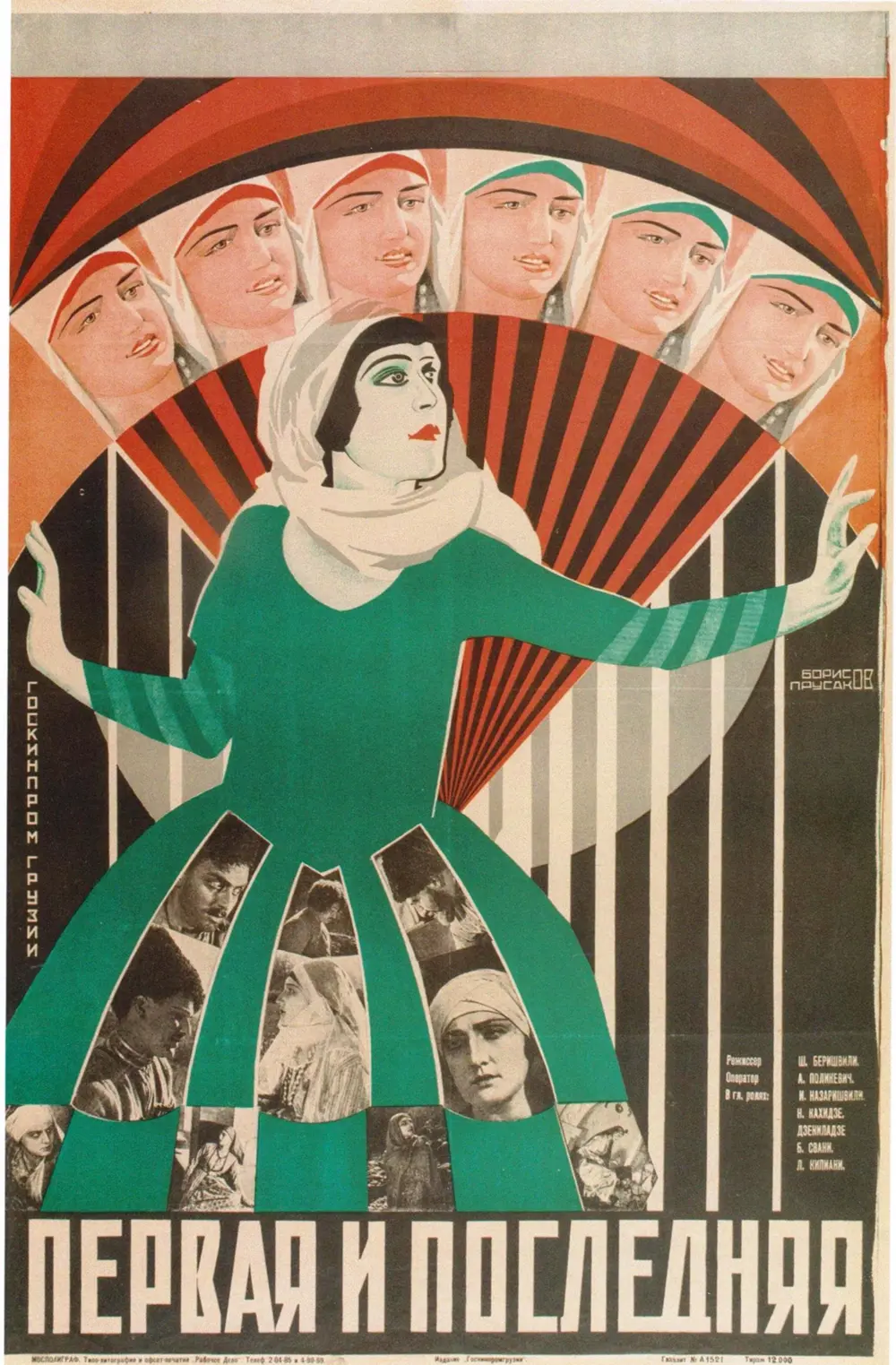
A definitive 6.3/10 rating for a film that redefined the boundaries of cult cinema. Ibrahimi da Goderdzi remains a cornerstone of transgressive art.
Does 'Ibrahimi da Goderdzi' hold up in the modern cinematic landscape? The short answer is yes, but with significant caveats that demand a particular kind of viewer. This is a film for those deeply invested in historical cinema, particularly Georgian film history, and those with a strong stomach for uncompromisingly bleak narratives, but it will likely alienate casual viewers seeking contemporary pacing or nuanced character arcs.
It's a challenging watch, a stark window into a bygone era of storytelling where moral ambiguity often took a backseat to clear-cut villainy and tragic heroism. This isn't a comfortable film; it's a historical document, a raw nerve, that dares its audience to confront the harsh realities of unchecked power.
Before delving into the granular details, it's crucial to lay out the immediate impressions this film leaves. 'Ibrahimi da Goderdzi' is not interested in subtlety; it's a blunt instrument used to convey a brutal truth. Its power lies in its directness, a quality often lost in today's more convoluted narratives.
This film works because it commits entirely to its grim premise, refusing to soften its blows or offer easy resolutions. Its historical authenticity, however imagined in its specifics, feels earned.
This film fails because its uncompromising nature, while thematically potent, can often feel dramatically inert, relying too heavily on the shock of its events rather than intricate character development. Pacing, by modern standards, is glacially slow.
You should watch it if you appreciate cinema as a historical artifact, are fascinated by the depiction of absolute power and its tragic consequences, and are willing to engage with a narrative that prioritizes thematic weight over entertainment value.
'Ibrahimi da Goderdzi' plunges us into a narrative of profound injustice, painted with broad, stark strokes. Omar Khani, the head of Zaqatala province, is introduced not as a complex antagonist, but as the very embodiment of tyranny. His actions are driven by pure, unadulterated desire and a chilling disregard for human life and dignity. The kidnapping of a married woman for his harem isn't just a plot point; it's a seismic event, a public declaration that no one is safe, no bond sacred, under his rule.
The film doesn't waste time on Khani's motivations beyond his inherent despotism. He is a force of nature, a human storm that sweeps through the lives of the innocent. The subsequent murder of the woman's husband and the abandonment of their children are not mere consequences but calculated extensions of his power. It's a statement: I take what I want, and I destroy what stands in my way, leaving a trail of desolation.
What's compelling about this narrative approach is its unwavering focus on the impact of tyranny. We don't need to understand Khani's inner turmoil because the film is primarily concerned with the suffering he inflicts. The tragedy is immediate, visceral. The children left alone are not just plot devices; they are symbols of a society broken by an individual's unchecked will.
This kind of storytelling, while perhaps simplistic by today's standards, possesses an undeniable raw power. It functions almost as a cautionary tale, a historical echo of countless real-world abuses of power. The film asks us to bear witness, to feel the weight of this injustice, rather than to intellectualize it.
Given the limited information, one must infer much about the directorial intent behind 'Ibrahimi da Goderdzi'. It feels like a film born of necessity, a story that demanded to be told with an almost documentary-like severity, even if its presentation is highly dramatized. The director, whose identity remains somewhat obscured in the mists of history, seems to have opted for a direct, almost theatrical approach to storytelling.
There's a sense that every frame is constructed to emphasize the brutal power dynamic. Imagine shots of Omar Khani, perhaps framed from a low angle, dominating the screen, his shadow extending over his terrified subjects. Conversely, the victims, particularly the kidnapped woman and her children, would likely be captured in stark, almost vulnerable compositions, emphasizing their helplessness.
The pacing, typical of films from this older era, would have been deliberate, allowing the gravity of each event to settle. A scene depicting the husband's murder, for instance, might unfold with a chilling slowness, focusing on the despair in his eyes as he realizes his fate, rather than a quick, action-oriented cut. This approach, while challenging for modern audiences, would have amplified the emotional impact for viewers of its time.
One could argue that the director's greatest strength here is their refusal to compromise on the film's grim tone. There are no lighthearted moments, no comic relief to break the tension. This relentless commitment to tragedy is both its most defining feature and, for some, its most significant hurdle. It's a singular vision, unburdened by the need to please a broad audience.
The cast of 'Ibrahimi da Goderdzi', including Ina Nazarishvili, Lado Kavsadze, and Lili Kipiani, among others, were tasked with embodying roles that are less about psychological realism and more about archetypal representation. Omar Khani, likely portrayed by an actor with imposing physical presence, would need to exude menace through his posture, his gaze, and the very cadence of his voice. His performance would be less about internal conflict and more about externalized, absolute power.
The kidnapped woman, often the tragic figure in such narratives, would require an actor like Ina Nazarishvili to convey profound despair, resilience, and perhaps a flicker of defiance through subtle expressions. Her performance would be a study in silent suffering, a testament to the human spirit enduring unimaginable cruelty. Imagine her eyes, wide with terror, yet holding a spark of something unbroken, even as she is dragged away.
Lado Kavsadze, as the doomed husband, would have the challenging task of portraying a man stripped of his agency, his love, and ultimately his life. His performance would be fleeting but impactful, a quick, sharp stab of human tragedy designed to evoke immediate empathy and outrage at Khani's actions. The children, too, though perhaps with smaller roles, would need to convey the raw, uncomprehending grief of abandonment, a truly heartbreaking sight.
These performances, rather than being naturalistic, would likely lean into a more theatrical style, common for the period. Gestures might be broader, emotions more overtly displayed, to ensure the audience fully grasps the moral stakes. It’s a different kind of acting, one that prioritizes clarity of emotion and narrative function over nuanced character study. This isn't a flaw; it's a stylistic choice that aligns perfectly with the film's overall directness.
The visual language of 'Ibrahimi da Goderdzi' would almost certainly be characterized by a stark realism, perhaps bordering on expressionism in its more dramatic moments. Without the vibrant colors of modern cinema, the black and white palette would be utilized to maximum effect, creating deep shadows that symbolize the oppressive atmosphere of Zaqatala province. The cinematographer's choices would be crucial in conveying the film's tone.
Consider the use of light and shadow. Omar Khani's palace might be depicted with imposing, heavy shadows, making it feel like a fortress of despair, while the homes of the common people would be bathed in a more natural, yet equally somber, light. Close-ups on the faces of the suffering characters would emphasize their emotional turmoil, while wide shots of the desolate landscape would reinforce their isolation and vulnerability.
There's a strong possibility of using static, carefully composed shots to allow the audience to absorb the full weight of each scene. The camera wouldn't be a restless observer; it would be a solemn witness. For instance, the moment the children are left alone might be captured in a long, lingering shot, allowing their small figures to shrink against the vast, uncaring backdrop of the province, magnifying their abandonment.
This aesthetic, while perhaps lacking the dynamic flair of contemporary filmmaking, serves the narrative's purpose with an almost brutal efficiency. It strips away distractions, forcing the viewer to confront the raw emotion and injustice at the heart of the story. It's an uncompromising visual style for an uncompromising narrative.
The pacing of 'Ibrahimi da Goderdzi' is undeniably slow, a deliberate choice that allows the thematic weight of the narrative to fully sink in. Each act of tyranny, each moment of suffering, is given ample screen time to unfold, creating a sense of dread that permeates the entire film. This isn't a thriller; it's a tragedy that unfolds with the inexorable march of fate.
The tone is consistently grim, almost mournful. There are no moments of levity, no breaks from the oppressive atmosphere. This relentless seriousness might be off-putting for some, but it is entirely consistent with the film's subject matter. To inject humor or lightness would be to betray the profound suffering at its core. It works. But it’s flawed.
Thematic resonance is where the film truly shines. It explores the corrosive nature of absolute power, the fragility of justice, and the devastating impact of individual cruelty on an entire community. Omar Khani is not just a villain; he is a symbol of all oppressors throughout history. The kidnapped woman and her family represent the countless victims of such regimes, their personal tragedy amplified to universal proportions.
The film also touches upon themes of resilience, even in the face of overwhelming despair. While the immediate outcome is tragic, the very act of depicting such injustices, even in a fictionalized account, carries a defiant message. It's a cinematic cry against forgotten atrocities, a reminder that the human cost of tyranny is immense and long-lasting.
For the discerning cinephile, especially those with an interest in early international cinema or Georgian film history, 'Ibrahimi da Goderdzi' is absolutely worth seeking out. It offers a unique window into a storytelling style and thematic concerns that are often overlooked in contemporary cinema. Its historical value alone makes it a significant piece.
However, for the casual viewer expecting modern narrative conventions, faster pacing, or intricate character development, it will likely prove a challenging and potentially frustrating experience. This film demands patience and a willingness to engage with a different kind of cinematic language.
It serves as a powerful reminder of how stories were told in a different era, often with a starkness and directness that modern films shy away from. Its depiction of unchecked power and its devastating consequences remains disturbingly relevant, making it more than just a historical curiosity.
'Ibrahimi da Goderdzi' is not a film you watch for entertainment; it's a film you experience for its historical weight and thematic power. It stands as a stark, uncompromising testament to the cruelties of unchecked power and the devastating impact it has on individual lives. While its pacing and character depth might not align with modern cinematic tastes, its raw emotional impact and historical significance are undeniable.
This is a film that demands your attention, not because it dazzles with visual effects or intricate plots, but because it confronts you with a brutal, timeless truth. It's a challenging but ultimately rewarding journey for those willing to engage with cinema that prioritizes stark reality over comforting illusion. It's a film that resonates long after the credits roll, much like the lingering despair in The Disappearance of Lady Frances Carfax or the stark social commentary of The Hoosier Schoolmaster, offering a window into a world both distant and eerily familiar.
For those who appreciate the unvarnished truth cinema can offer, 'Ibrahimi da Goderdzi' is a crucial, if difficult, watch. It's a powerful statement, an artifact that speaks volumes about its time, and a reminder that some stories, no matter how painful, must be told.
IMDb 7.1
1927
Community
Log in to comment.