DbcultAccessing Vault...
6.4/10
Senior Film Conservator
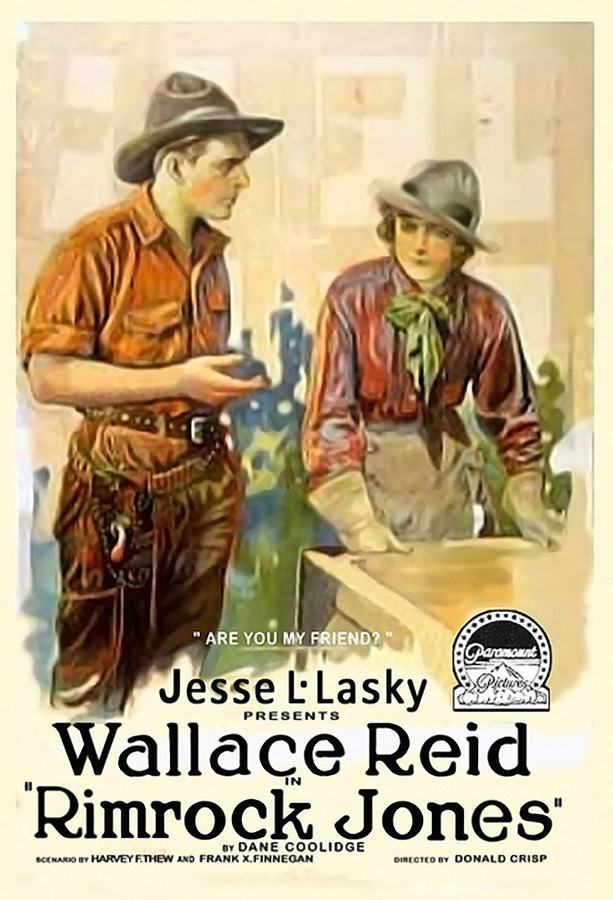
A definitive 6.4/10 rating for a film that redefined the boundaries of cult cinema. Rimrock Jones remains a cornerstone of transgressive art.
Spoilers ride shotgun; keep your six-shooter cocked.
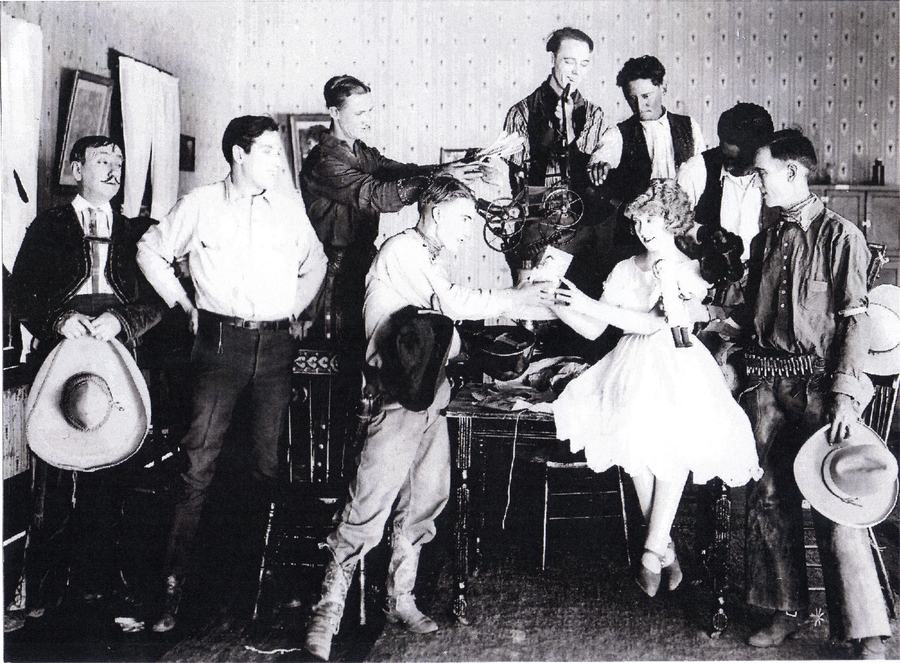
Mining-country folklore insists that every nugget of ore carries a ghost, and Rimrock Jones proves it—only here the phantoms are legal clauses, stamped onto parchment by a vulpine attorney whose grin glints colder than any vein of copper. Director Donald Crisp, armed with a scenario distilled from Dane Coolidge’s serialized chapters, stages the frontier less as Manifest Destiny’s playground than as a crucible where capital and conscience blister under the same sun. The film’s first reel uncoils like a rattler: claim stakes hammered into sun-scorched earth, silhouettes swallowed by canyon walls, and then—paper. A single sheet, flourished by Ernest Joy’s McBain, yanks the future from Rimrock’s calloused hands. The moment is framed in medium-long tableau, the camera static, as if even the apparatus itself were stunned by the idea that a signature could outweigh sweat.
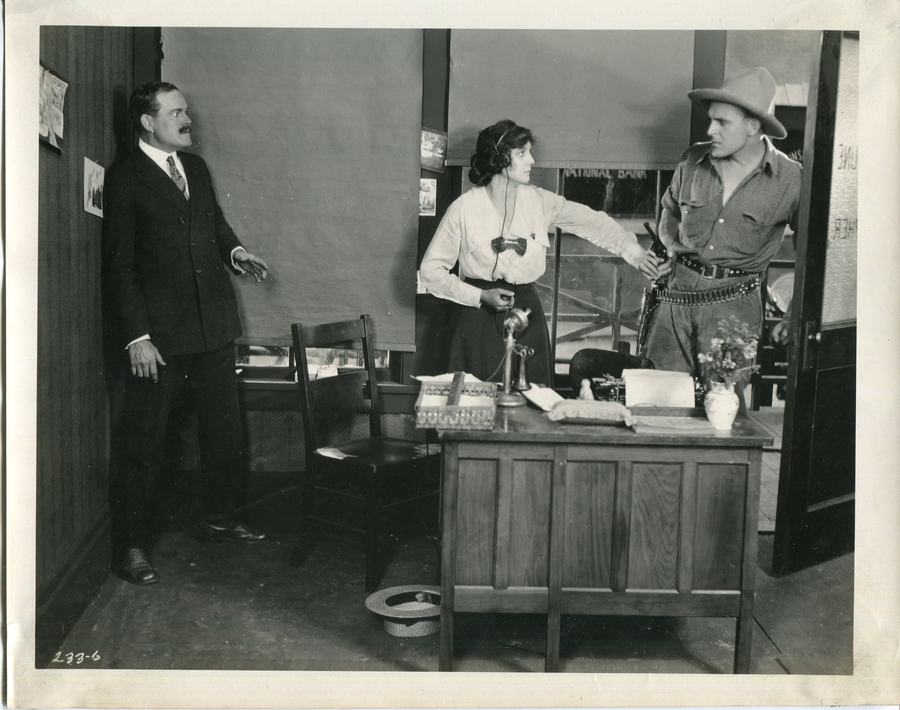
Ann Little’s Mary arrives with a stenographer’s click-click precision, hair coiled like telegraph wire, eyes already tired of male bluster. Her deafness, a narrative masterstroke, is never milked for pity; instead it becomes strategic armor, forcing men to lean closer, to enunciate their avarice where she can read it on their lips. When she stakes two grand on Rimrock’s hunch, the intertitle flashes: “I’ll take my pay in votes, not vouchers”—a line that, even in 1918, feels revolutionary. The film slyly positions her as the first true shareholder activist of American cinema, a woman who converts debt into governance, long before the jargon existed.
Second-act geography vaults us from sagebrush to asphalt: enter Hazel Hardesty, a flapper-vamp hybrid who drapes herself across Rimrock like tinsel on a dynamite stick. Hazel’s introduction occurs inside a Times Square rooftop garden—paper lanterns, champagne cascades, ukelele plucks—all shot through a haze of gauze filters that prefigure the narcotic sheen of 1970s neon noir. Stoddard’s scheme is less corporate raid than seduction campaign: separate the prospector from his virtue, and the mine follows. The montage alternating between Hazel’s gilded snares and Mary’s clinical silence in a Manhattan otologist’s office creates a dialectic of temptation versus resolve that still crackles.
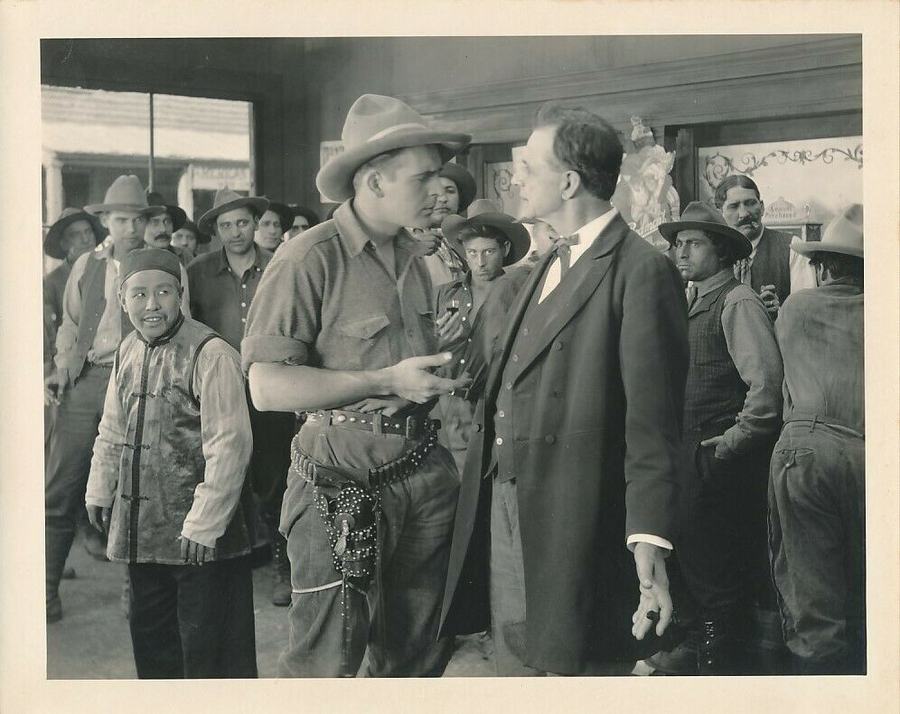
Cinematographer Clyde De Vinna, years before his Oscar-winning White Shadows in the South Seas, renders Gunsight’s terrain as a study in ochre and bruise-purple. Exterior day scenes are over-exposed to the brink of wash-out, so copper rock faces sear white against cobalt sky, conveying a heat that seems to bleach morality itself. Interiors, by contrast, are steeped in tungsten gloom; faces emerge from chiaroscuro like half-developed plates, perfect for a narrative where everyone harbors half-told claims. Note the repeated visual motif of crossed pickaxes on saloon walls—an omen of double-dealing that pays off when Rimrock and McBain’s trajectories literally intersect before the assay office window.
Wallace Reid’s Rimrock is pure kinetic optimism—every boot-stomp a declaration, every hat-toss an exclamation point. Yet Reid modulates; observe the micro-slump of shoulders when Mary rebuffs his first clumsy proposal, a flicker that humanizes the caricature of the bullet-proof cowboy. Opposite him, Ann Little conducts a symphony of micro-expressions: slight head tilts to catch vibrations through bone-conduction, a tightening of gloved fingers around a stock certificate that conveys fiduciary arousal more potently than any kiss. In the villainous triad, Ernest Joy’s McBain oozes oleaginous rectitude, Gustav von Seyffertitz’s Stoddard is all Teutonic frost, while Edna Mae Cooper’s Hazel flits between harlequin and harpy with silken ease.
Beneath the horse-opera veneer lurks a treatise on women’s economic enfranchisement. Mary’s refusal of simple loan repayment upends the damsel trope; she converts charity into equity, her vote functioning as both sword and shield. When Stoddard’s cabal schemes to dilute Rimrock’s holdings via watered stock, it is Mary who brandishes the corporate by-laws, citing the very Apex precedent once weaponized against her lover. The film, knowingly or not, anticipates contemporary debates on gender parity in venture finance: the heroine’s capital is patient, relational, and contingent on ethical stewardship rather than quarterly gouging.
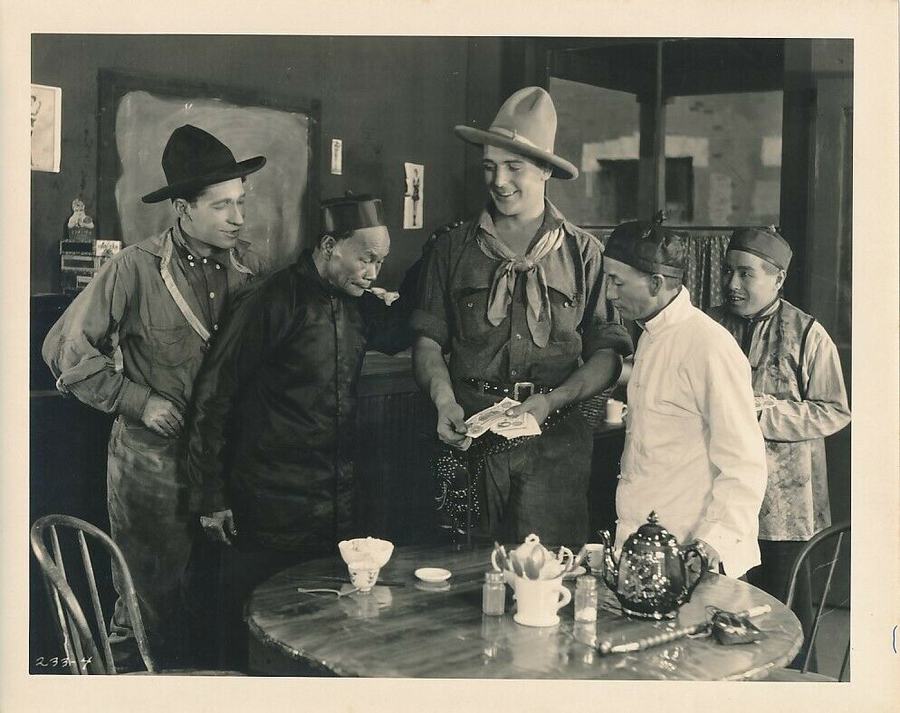
George Kuwa’s uncredited turn as a Japanese smelter engineer glimmers as a progressive anomaly for 1918—competent, dignified, sporting wire-rim spectacles that refract furnace light into prismatic crescents. Yet the character vanishes after two reels, emblematic of how silent cinema could nod toward cosmopolitanism without ceding narrative acreage. Meanwhile the film’s settler-colonial gaze remains un-interrogated; indigenous presence is spectral, reduced to place-names like “Tecolote” (Spanish for owl), a linguistic ghosting of prior claims older than any mining law.
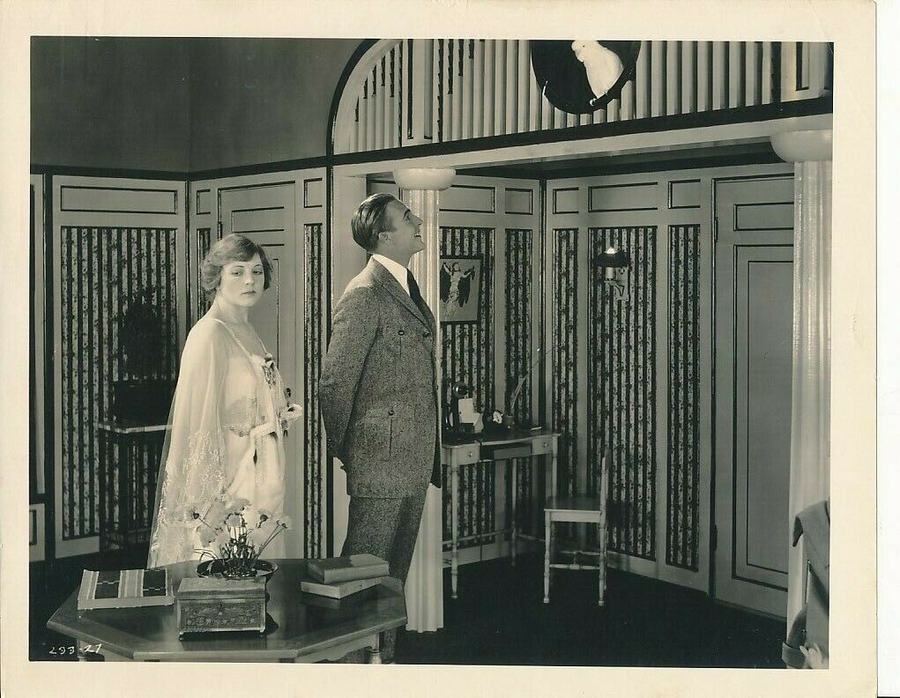
For decades Rimrock Jones slumbered in the Library of Congress’s paper-print vaults, a 35mm negative scarred by vinegar syndrome. A 2019 4K restoration by the University of Nevada, Reno, utilized wet-gate scanning and re-grading based on 1918 tinting notes—amber for lamplight, viridian for subterranean tunnels, rose for Hazel’s boudoir. The resulting Blu-ray, available via Kino Lorber’s “Treasures of the Frontier” boxset, features a new score by the Mont Alto Motion Picture Orchestra that interpolates ragtime stomps into Wagnerian leitmotifs for Stoddard’s machinations. Streamers can catch a 2K derivative on Criterion Channel under their “Silent Sundays” rubric.
Place this film beside The Golden Fetter (also 1918) and you’ll discern divergent philosophies of capital: where Fetter moralizes against speculation, Rimrock celebrates entrepreneurial derring-do provided it is yoked to ethical stewardship. Pair it with Every Girl’s Dream and note how both heroines weaponize secretarial acumen to infiltrate boardrooms, though Mary Fortune wields far greater agency than her counterpart. For Wall Street iconography, fast-forward to Raffles, the Amateur Cracksman (1917) and witness how urban crime is eroticized versus the frontier’s mineral melodrama.
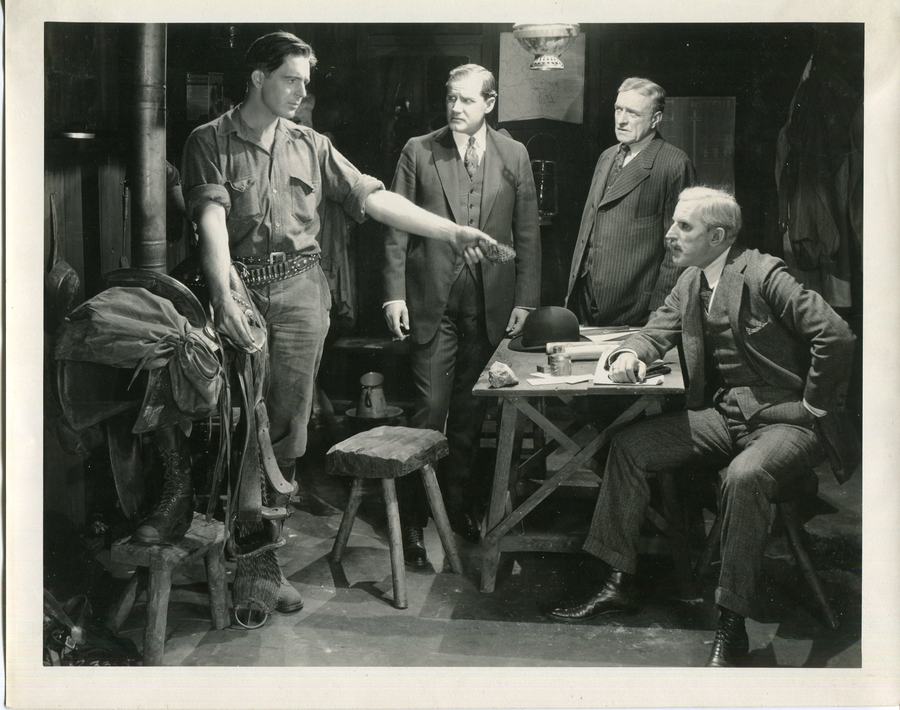
Is Rimrock Jones a pristine relic? Hardly. Its pacing lurches between locomotive rush and ore-cart drag; its intertitles sometimes glut expository cheese. Yet its thematic marrow—law versus equity, gendered capital, the intoxicating mirage of extractive wealth—feels bracingly current. In an era when SPACs and crypto mines replace ore carts, the film’s cautionary DNA persists: when paper promises eclipse pick-ax proof, communities collapse. Watch it for Ann Little’s proto-feminist boardroom coup, for Wallace Reid’s sunlit charisma, for De Vinna’s bleached cinematography that turns rock into light. Above all, watch it to remember that every fortune, whether dug from copper lodes or server farms, exacts its tithe in loyalty tested and love proven.
Verdict: 8.3/10 — A gilded nugget of frontier futurism, still capable of drawing blood.
IMDb 6.9
1936
Community
Log in to comment.