DbcultAccessing Vault...
Cult Review
Senior Film Conservator
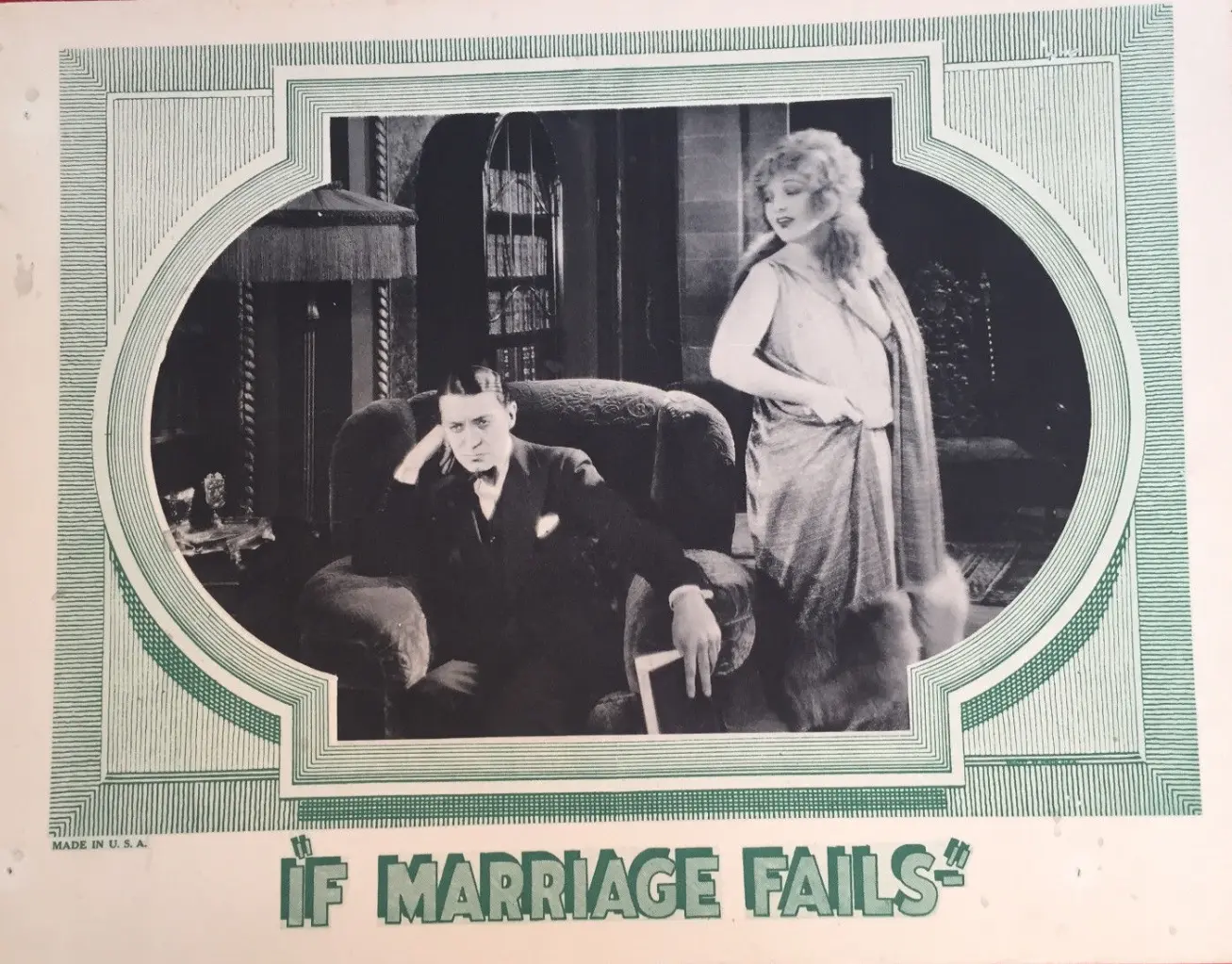
Clive Brook’s portrayal of Joe Woodbury, a man whose marriage with Eleanor is marred by her unconventional lifestyle, sets the stage for a compelling narrative. The film, directed with a keen eye for detail, captures the essence of the 1930s, a decade when societal norms were beginning to shift, yet still held strong.
The screenplay, penned by C. Gardner Sullivan, is rich with subtext and ambiguity, allowing for a nuanced exploration of the characters’ motivations and the complexities of their relationships. Jacqueline Logan, as Eleanor, brings a palpable tension to the screen, her performance a testament to the character’s inner turmoil.
Mathilde Comont’s Nadia, the enigmatic crystal-gazer, is the linchpin of the film. Her ability to see into the future, albeit through a lens of deception, adds a layer of intrigue that propels the narrative forward. The chemistry between Clive Brook and Jacqueline Logan is electric, particularly in scenes where their characters’ attraction to Nadia is palpable.
The cinematography is a highlight, with a keen attention to the period’s aesthetics, from the muted tones of the interior settings to the vibrant, almost surreal moments in Nadia’s crystal-gazing sessions. The film’s use of the crystal ball as a narrative device is both inventive and effective, serving as a metaphor for the characters’ inner worlds and the blurred lines between truth and illusion.
Donald MacDonald’s portrayal of Gene Deering, Eleanor’s paramour, is equally compelling. His character serves as a foil to Joe, highlighting the stark differences in their approaches to life and love. The automobile accident that ensues is not just a dramatic element but a pivotal moment that reshapes the narrative’s trajectory.
The film’s handling of the affair and the subsequent revelations is masterful. It navigates the delicate balance between exposing the characters’ flaws and maintaining a sense of empathy. The confrontation between Joe and Eleanor is a turning point, a moment of raw emotion that underscores the film’s themes of self-deception and the consequences of one’s actions.
“If Marriage Fails” stands out not just for its engaging storyline but also for its exploration of the complexities of human relationships. It delves into themes of fidelity, self-discovery, and the societal pressures that influence our choices. The film’s ending, while satisfying, leaves room for reflection, inviting the audience to ponder the nature of love and commitment.
Comparatively, one can draw parallels with films like “All Wet” and “Unclaimed Goods,” both of which deal with similar themes of moral ambiguity and the impact of societal norms on personal life. However, “If Marriage Fails” excels in its exploration of the emotional and psychological depth of its characters, making it a standout in its genre.
Overall, “If Marriage Fails” is a film that rewards close attention, offering a rich tapestry of human emotion and societal critique. It is a reminder of the enduring power of storytelling to illuminate the complexities of the human experience.

IMDb 5.8
1927
Community
Log in to comment.