Summary
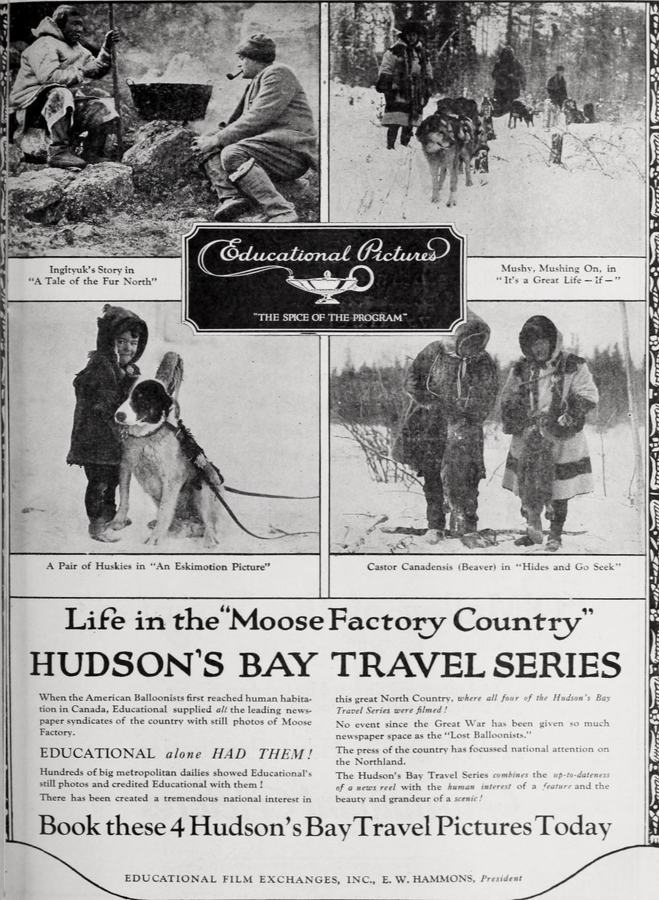
Beneath a perpetual auroral pulse, a nameless Inuit youth—hollow-eyed from colonial trade posts and missionary hymns—discovers a hand-cranked cinematograph buried in the permafrost, its brass still warm with the ghost-light of Edwardian explorers. He hauls the rusted contraption across vertiginous ice shelves where breath crystallizes into airborne diamonds, convinced the whirring shutter can re-animate his sister, who vanished into the frazil mist after their clan was strong-armed onto a whaling vessel. Each frame he exposes becomes a blood-pact: sled dogs metamorphose into pale walruses, Anglican psalms invert into shamanic growls, and the white horizon folds like wet parchment to reveal a liminal cinema-house where living silhouettes pay for admission with seal-blubber tickets. When the Canadian Mounted Patrol arrives—armed with ethnographic lenses and smallpox blankets—our projectionist barters his final reel for one last screening, threading the celluloid through frostbitten fingers while the constables sip cocoa spiked with laudanum. The climax unspools inside an igloo-cum-picture-palace: images of colonized bodies flicker against translucent walls, the audience’s shadows peel away to dance solo, and the missing sister steps through the ice-screen, her face now a spiral of emulsion scratches. Dawn finds the youth cradling an empty camera; the snow tastes of silver halide; history itself has spliced, and the North is no longer a frontier but a looping dream that refuses to cut to black.
Review Excerpt
"
An Eskimotion Picture
There are films you watch and films that watch you—An Eskimotion Picture belongs to the latter breed, a frost-laced succubus of celluloid that plants its monochrome iris in your chest and refuses to blink. Shot without dialogue on hand-tintatted 35 mm stock frozen between shots and then thawed in whale-oil lamps, the movie feels less like a narrative than a séance conducted by the medium itself. The protagonist—credits call him only «the boy who winds light»—traverses a so..."