DbcultAccessing Vault...
Cult Review
Senior Film Conservator
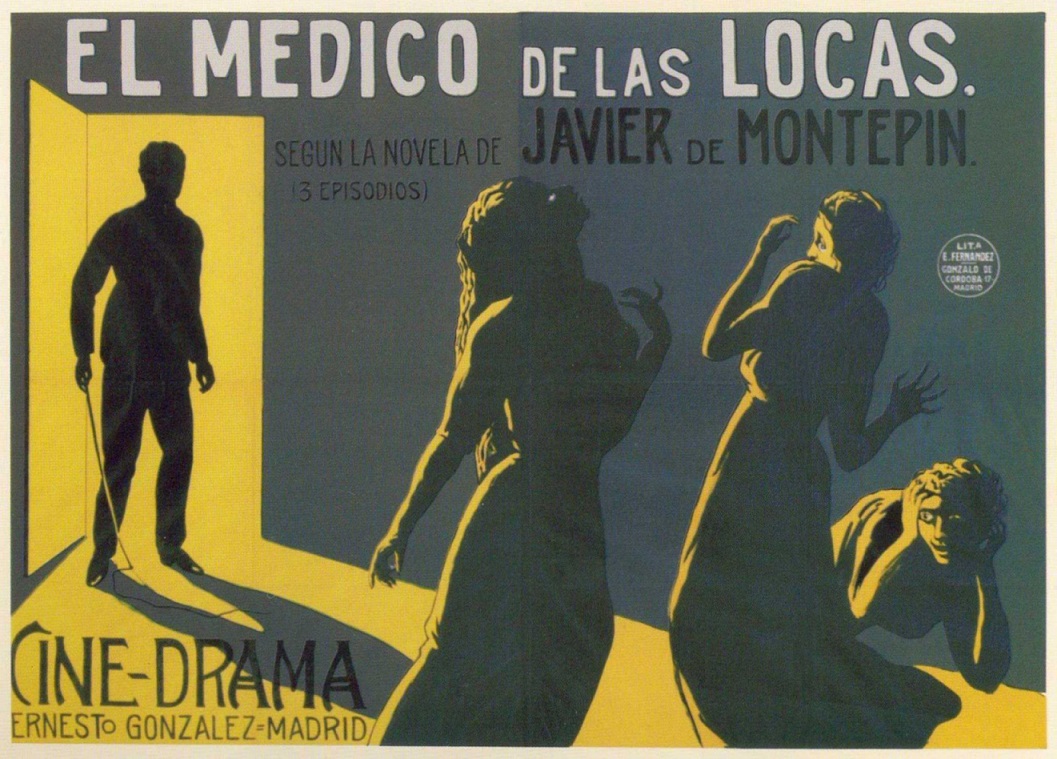
When the opening credits of Il Medico delle Pazze roll, the screen is awash in a chiaroscuro palette that feels both oppressive and intimate. The camera lingers on the cracked plaster of the asylum's walls, each fissure a metaphor for the fractured minds within. Alfredo Boccolini, embodying Dr. Lorenzo Vannini, delivers a performance that is at once measured and seething with suppressed yearning. His eyes, perpetually flickering between clinical detachment and raw empathy, anchor the film’s emotional gravity.
The screenplay, adapted from Xavier de Montépin’s original prose, eschews a linear trajectory in favor of a mosaic of personal histories. Each patient’s story unfurls like a miniature opera, echoing the grand tragedy of the human condition. Aurelia Cattaneo’s portrayal of the former diva Aurelia is a masterclass in restrained anguish; her once‑powerful soprano is reduced to a trembling whisper, symbolizing a voice silenced by societal expectations.
Fernanda Sinimberghi’s Fernanda, a mother bereft of her infant, oscillates between frantic hysteria and a haunting stillness that recalls the lingering grief in The She Devil. The parallel is striking: both women confront a patriarchal world that discounts their pain, yet they find agency through the fragile bonds forged within the asylum’s walls.
Angelo Vianello’s Dante Cappelli provides a poignant counterpoint to the younger cast members. His portrayal of an aging veteran, haunted by phantom artillery, is reminiscent of the melancholic veterans in classic Italian neorealism. The actor’s subtle tremor when he recounts battle scenes evokes a deep, almost tactile sense of loss.
Guelfo Bertocchi, played by Guelfo Bertocchi himself, emerges as an ambiguous savior. His charismatic manipulation of folk lore to inspire an escape is both seductive and unsettling. This character’s arc invites comparison with the cunning protagonists of The Wild Woman, where survival hinges on the delicate balance between rebellion and conformity.
Visually, director G. Zappia employs a restrained color scheme that mirrors the film’s tonal austerity. The recurring motif of muted blues—particularly the sea‑blue #0E7490—evokes a sense of melancholy that permeates every corridor. In contrast, sudden bursts of dark orange #C2410C illuminate moments of revelation, such as the scene where Vannini discovers a hidden garden behind the infirmary, a secret sanctuary bathed in amber light.
The sound design is equally meticulous. The ambient hum of ventilation fans is punctuated by the distant clatter of rain against barred windows, creating an auditory tapestry that feels both claustrophobic and expansive. The score, composed of sparse piano chords and low‑drone strings, underscores the narrative’s emotional undercurrents without ever overwhelming the dialogue.
At its core, Il Medico delle Pazze interrogates the paradox of liberation. The patients’ eventual flight during the storm raises a profound ethical dilemma: does the doctor’s acquiescence betray his oath, or does it honor the patients’ autonomy? This tension resonates with the moral ambiguity explored in Beating Back, where protagonists wrestle with the cost of self‑determination.
Identity, too, is dissected through the prism of mental illness. Each character’s fragmented sense of self is juxtaposed against the institution’s rigid classification system, a critique that feels eerily contemporary given ongoing debates about psychiatric reform.
While Boccolini’s nuanced turn is undeniably the film’s linchpin, the supporting cast delivers equally compelling moments. Aurelia Cattaneo’s silent lamentations, conveyed through lingering glances at a shattered mirror, speak louder than any monologue. However, the script occasionally falters, lingering too long on peripheral characters such as Romilde Toschi’s nurse, whose backstory feels under‑developed.
The film’s pacing, deliberately languid, may alienate viewers accustomed to rapid narrative propulsion. Yet this very slowness allows for an immersive contemplation of the asylum’s oppressive architecture, reminiscent of the deliberate tempo in Champagne Caprice where atmosphere supersedes action.
When placed beside contemporaries such as The Married Virgin and the stark realism of Down to Earth, Il Medico delle Pazze distinguishes itself through its lyrical approach to institutional critique. Whereas the former films employ overt social commentary, this work opts for a more poetic, almost allegorical, examination of confinement.
The director’s decision to frame the climax—a chaotic exodus through rain‑soaked streets—through a handheld camera adds a visceral immediacy that aligns with the kinetic energy of Border Raiders. The kinetic camera work, however, is balanced by static shots of the asylum’s empty wards, underscoring the lingering void left by the departed.
Beyond its narrative merits, the film engages with Italy’s fraught history of mental health treatment, evoking the infamous asylums of the early twentieth century. Its subtle nods to historic reformers—through archival photographs plastered on the infirmary walls—lend the piece an educational dimension that enriches its artistic ambition.
The film’s conclusion, deliberately ambiguous, invites endless debate: does the rain cleanse the patients’ trauma, or does it merely mask the systemic failures that birthed it? This open‑endedness ensures that the conversation will persist long after the credits roll, a hallmark of cinema that aspires to transcend entertainment.
In sum, Il Medico delle Pazze is a haunting meditation on the limits of medical authority, the resilience of the human spirit, and the perpetual dance between order and chaos. Its rich tapestry of performances, meticulous visual language, and daring thematic scope render it a standout entry in contemporary Italian drama. For viewers seeking a film that challenges, comforts, and ultimately lingers in the mind’s corridors, this work is an essential viewing experience.
IMDb 5.9
1936
Community
Log in to comment.