DbcultAccessing Vault...
Cult Review
Senior Film Conservator
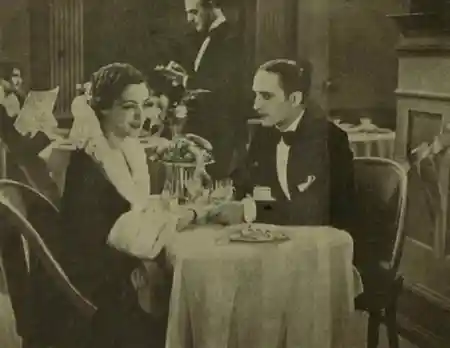
Alright, so 'Il richiamo del cuore' is one of those films you dig up when you're really in the mood for something… *different*. It’s probably not for everyone, for sure. If you’re looking for fast-paced action or slick modern storytelling, you'll probably hate it. But if you’ve got a soft spot for the silent era's earnest melodrama, for stories that feel a bit like a stage play, then yeah, you might find something to appreciate here. It’s a specific taste, like black licorice or really strong espresso. ☕
The whole thing feels like it’s built on these huge, sweeping emotions. Not always subtle, mind you, but *felt*. You know, the kind where a single look from Matilde Casagrande says more than a whole page of dialogue ever could. Her character, this woman burdened by… well, by a lot, really just carries the film on her shoulders.
There's this one scene, quite early on, where she's standing by a window. The camera just stays on her face for what feels like ages. You can almost see the gears turning in her head, the unspoken sadness. It's almost *too* long, that shot. You start wondering if the film reel got stuck or something. But then, just as you're about to check your watch, she finally lets out this tiny, almost imperceptible sigh. And it clicks. It wasn't stuck; it was just letting you *feel* the weight of it all. It’s a very particular kind of pacing, that.
Then you have Carlo Lombardi's character, all stern jawlines and conflicted glances. He's the one who always looks like he's about to make a terribly noble, but ultimately misguided, decision. Every time he entered a room, there was this palpable tension. Like, *what's he gonna do now*? His interactions with Anna Fontana’s more spirited character are a highlight. They spark off each other, even in silence. It’s less about what they say, more about how they *don't* look at each other.
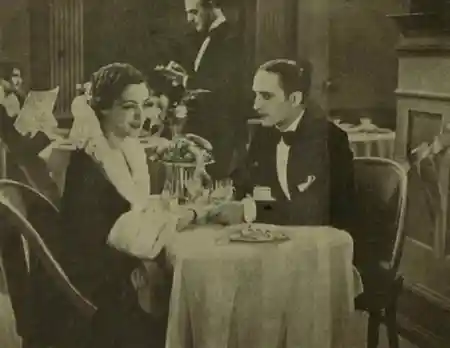
The film’s visual style is quite striking in its own way. There are these deep shadows in some of the indoor scenes, making everything feel a bit claustrophobic, adding to the drama. Then you get these sweeping outdoor shots, probably in some Italian countryside, that suddenly open up the whole world. The contrast is pretty stark, almost like the characters are constantly moving between their inner turmoil and the vast indifference of nature. 🏞️
One particular moment that stuck with me involved Cesare Zoppetti’s character. He's a minor figure, but there’s this brief shot of him, standing just outside a bustling cafe. Everyone else is laughing, moving, but he's just *still*. It's only for a few seconds, but it paints this picture of quiet loneliness that felt really genuine, a small human detail in a much grander story. You almost miss it if you blink.
The pacing, though… oh, the pacing. It’s a rollercoaster. Some parts just rush by, almost breathless, with quick cuts and frantic gestures. Then it slams on the brakes for these long, drawn-out sequences. Remember the window scene? There are quite a few like that. It’s not always smooth, let's be honest. You can almost feel the movie trying to convince you this moment matters, stretching it out until you either buy into it or check out completely.
And the music! Or, well, the score that typically accompanies these films. It’s *everything*. Without it, these silent performances just wouldn’t land the same way. The original score for 'Il richiamo del cuore' really helps underscore the drama, even when it sometimes verges on being a little *too* much. You know, violins soaring when someone just drops a teacup. 🎻
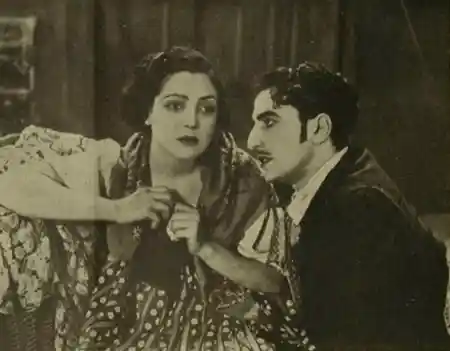
There's a subtle thread of longing that runs through the whole film, a yearning for something just out of reach. Whether it’s true love, or freedom, or just a moment’s peace. It’s never spelled out, but you just *feel* it, especially in the way Matilde Casagrande looks at… well, at the horizon a lot. Or at Carlo Lombardi, sometimes. It’s all in the eyes, really.
It’s not a perfect film, no. Some of the dramatic flourishes feel a little overcooked by today's standards. There are a few scenes where the crowd just looks a bit lost, like they weren't entirely sure what they were supposed to be doing. And sometimes, the emotional stakes feel so high that it's hard to connect with them on a personal level. It’s just so *big*.
But then, there’s this quiet, almost tender scene between Anna Fontana and Raoul Donadoni. It's brief, but it has this genuine warmth that cuts through all the grand gestures. Just two people, connecting. It’s a nice counterpoint to the more intense moments, a little breath of fresh air in the emotional storm. You appreciate those small, grounded bits.
So, should you watch 'Il richiamo del cuore'? Look, if you're a student of film history, especially the silent era, or just someone who enjoys a good, old-fashioned melodrama with big emotions and lots of longing glances, then absolutely. It's a fascinating look at how stories were told then. But don't go in expecting a modern blockbuster. It's a slow burn, a specific kind of old-world charm that demands patience. It’s a film that asks you to lean in and feel, rather than just watch. And sometimes, that’s a pretty good thing. ✨
IMDb —
1930
Community
Log in to comment.