DbcultAccessing Vault...
6.5/10
Senior Film Conservator
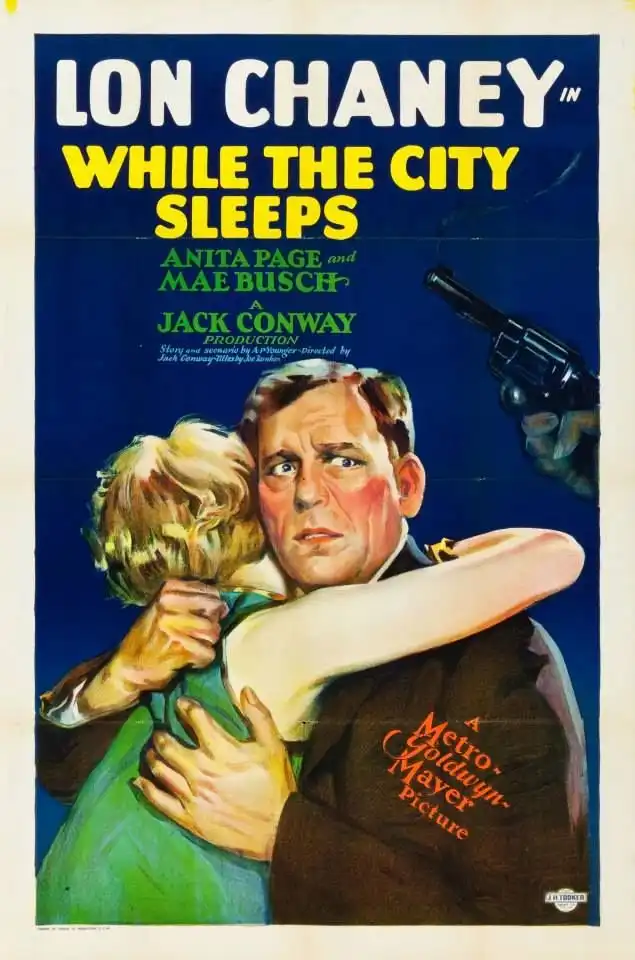
A definitive 6.5/10 rating for a film that redefined the boundaries of cult cinema. While the City Sleeps remains a cornerstone of transgressive art.
While the City Sleeps, a 1928 silent crime drama, remains a surprisingly engaging watch today, particularly for fans of early cinema, Lon Chaney, or those curious about the roots of the police procedural. Its tight direction and Chaney's compelling performance elevate it beyond a mere historical curiosity. However, viewers accustomed to modern pacing and dialogue-driven narratives may find its silent film conventions and occasional melodramatic flourishes a hurdle.
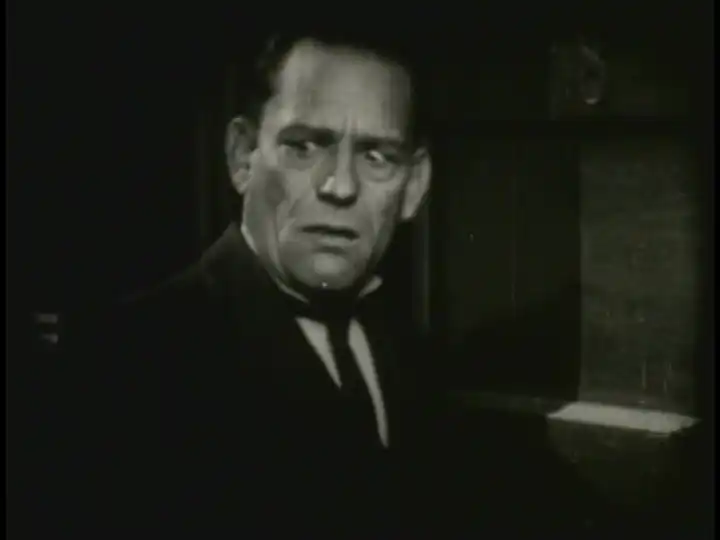
Director Alan Crosland, perhaps best known for The Bronze Bell, here crafts a taut narrative that feels remarkably modern in its approach to police work, even without spoken dialogue. It's less a grand epic and more a focused character study wrapped in a procedural framework. The film wastes little time establishing its central conflict: the unwavering conviction of Detective Coghlan (Lon Chaney) against the seemingly unassailable criminal 'Mile-a-Minute' McGraw (Wheeler Oakman).
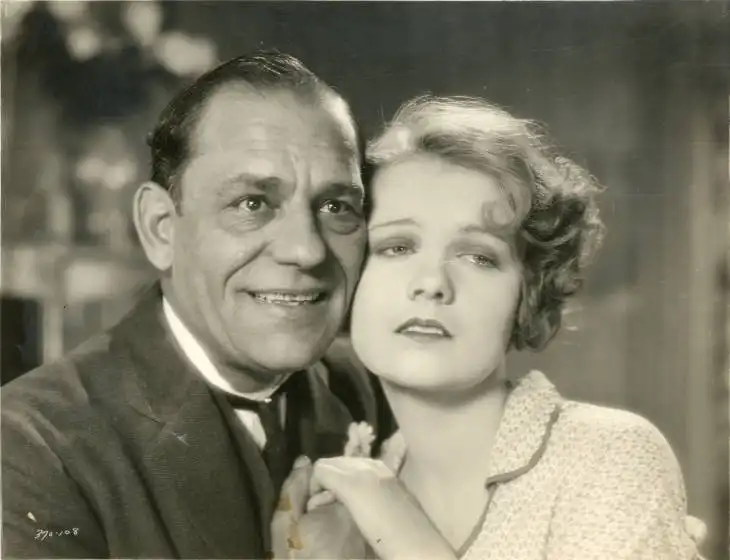
Chaney, as Coghlan, delivers a masterclass in silent film acting. He's not the grotesque 'Man of a Thousand Faces' here, but a man etched with quiet determination and growing frustration. His performance is all in the eyes and the slight tension of his jaw. There's a particular scene where Coghlan is reviewing mugshots, his finger tracing the lines of McGraw's face, a subtle tremor in his hand betraying his mounting obsession. It’s a moment of quiet intensity that speaks volumes without a single intertitle. A small, telling detail occurs early on: Coghlan, deep in thought, absently cleans his eyeglasses with a corner of his jacket, a gesture so ordinary and human it momentarily strips away the 'tough cop' veneer, revealing the weary man beneath. It's a fleeting moment, easily missed, but it grounds Chaney's performance in relatable reality.
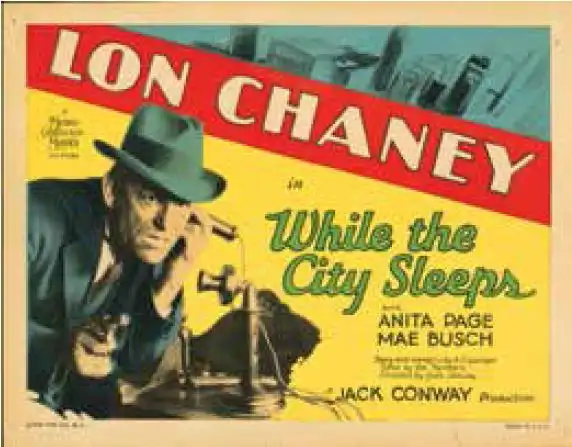
Wheeler Oakman's 'Mile-a-Minute' McGraw is a suitably slick antagonist, though perhaps a touch less nuanced than Chaney. His confidence borders on arrogance, a smirk often playing on his lips, signaling his belief in his own untouchability. Anita Page, as the enigmatic femme fatale, provides a necessary emotional counterpoint, though her character often feels more like a plot device than a fully fleshed-out individual. Her wide-eyed expressions and occasional hesitant glances are effective in conveying her conflicted loyalties, but the script doesn't give her much depth beyond that.
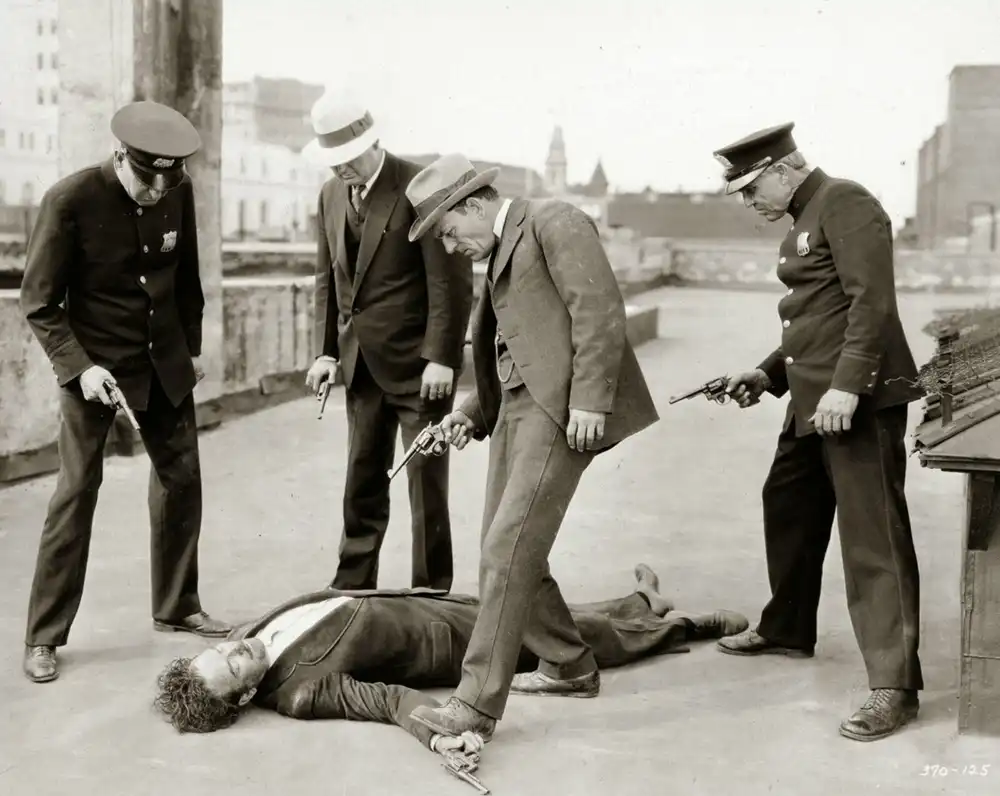
The film maintains a brisk pace for much of its runtime, especially in its initial setup and the various attempts by Coghlan to corner McGraw. Crosland understands the rhythm of silent suspense, often cutting between Coghlan's strategizing and McGraw's smooth escapes. However, there are moments, particularly in the middle act, where the romantic subplot involving Page feels slightly protracted. A few too many lingering close-ups on her conflicted face, while visually appealing, do slow the narrative momentum that the cat-and-mouse game had established so well. The tone is predominantly serious, but there are flashes of unexpected realism – the weary expressions of beat cops, the mundane paperwork, which grounds the melodrama.
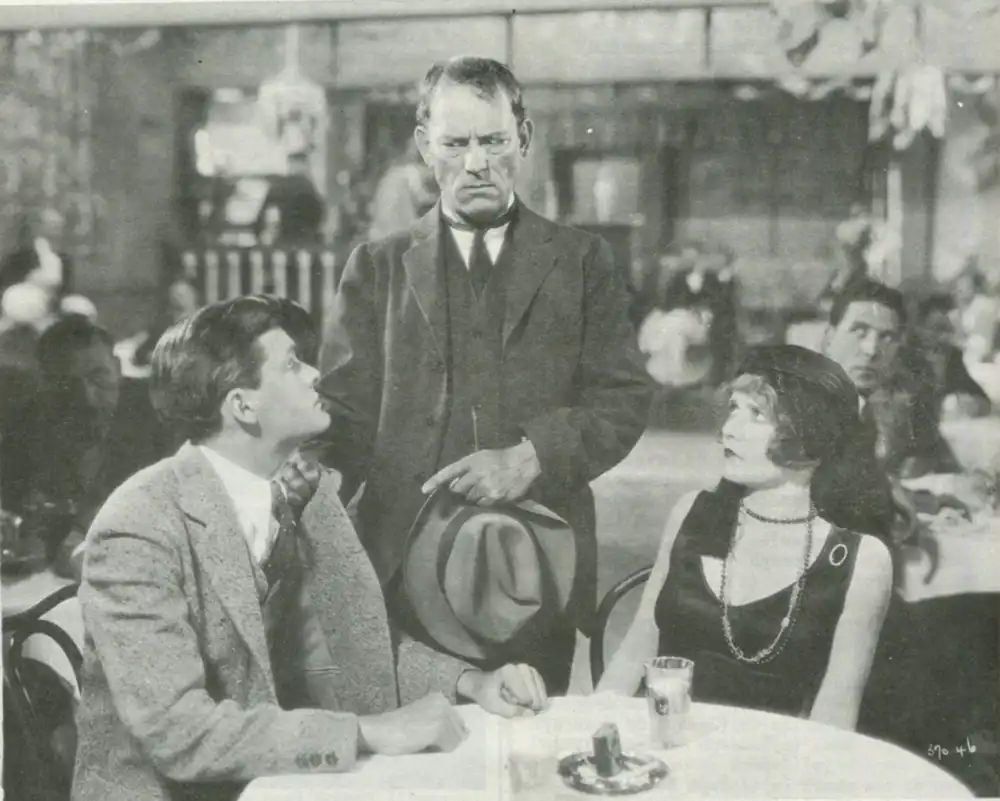
Visually, While the City Sleeps embraces the stark contrasts of urban noir before the genre truly existed. The cinematography by James K. Base, who also shot Peacock Alley, utilizes deep shadows and practical cityscapes to great effect. The police station, with its bustling activity and overhead lamps casting pools of light, feels authentic. One memorable sequence involves a chase through crowded city streets and a bustling dance hall – the chaotic energy is palpable, even without sound, conveyed through rapid cuts and dynamic camera angles, a surprisingly modern approach for 1928.
The use of close-ups is particularly effective in conveying emotion. Chaney's face, in particular, becomes a canvas for Coghlan's internal struggle. The scene where he’s at home, alone, staring into the middle distance, the shadows emphasizing the hollows under his eyes, speaks volumes about his lonely crusade. It’s a quiet, understated moment that resonates.
The film's strongest suit is undoubtedly its commitment to the procedural. We see Coghlan meticulously gather evidence, stake out locations, and piece together clues. This focus on the how of detective work, rather than just the what, feels genuinely ahead of its time. The tension builds effectively during the various confrontations, particularly a tense poker game where Coghlan tries to bait McGraw, the camera lingering on their poker faces, each trying to read the other.
Where the film occasionally falters is in its resolution. After such a prolonged, intricate chase, the final capture feels a tad rushed, almost as if the filmmakers ran out of time or ideas for a truly climactic showdown. It’s not unsatisfying, but it doesn't quite match the slow-burn intensity of the preceding acts. Also, some of the intertitles occasionally state the obvious, which can pull you out of the visual storytelling.
Despite these minor quibbles, While the City Sleeps is far more than a historical artifact. It's a robust silent crime drama that stands as a testament to Lon Chaney's enduring talent and Alan Crosland's skilled direction. For those willing to engage with the conventions of the era, it offers a compelling, often exciting, glimpse into the nascent stages of the police procedural genre. It rewards patience with a genuinely absorbing narrative and a central performance that is both understated and powerful. Absolutely worth seeking out for classic film aficionados, and a strong recommendation for anyone curious about how well silent storytelling could truly capture the grit of the urban underworld.
IMDb 5.8
1921
Community
Log in to comment.