DbcultAccessing Vault...
Cult Review
Senior Film Conservator
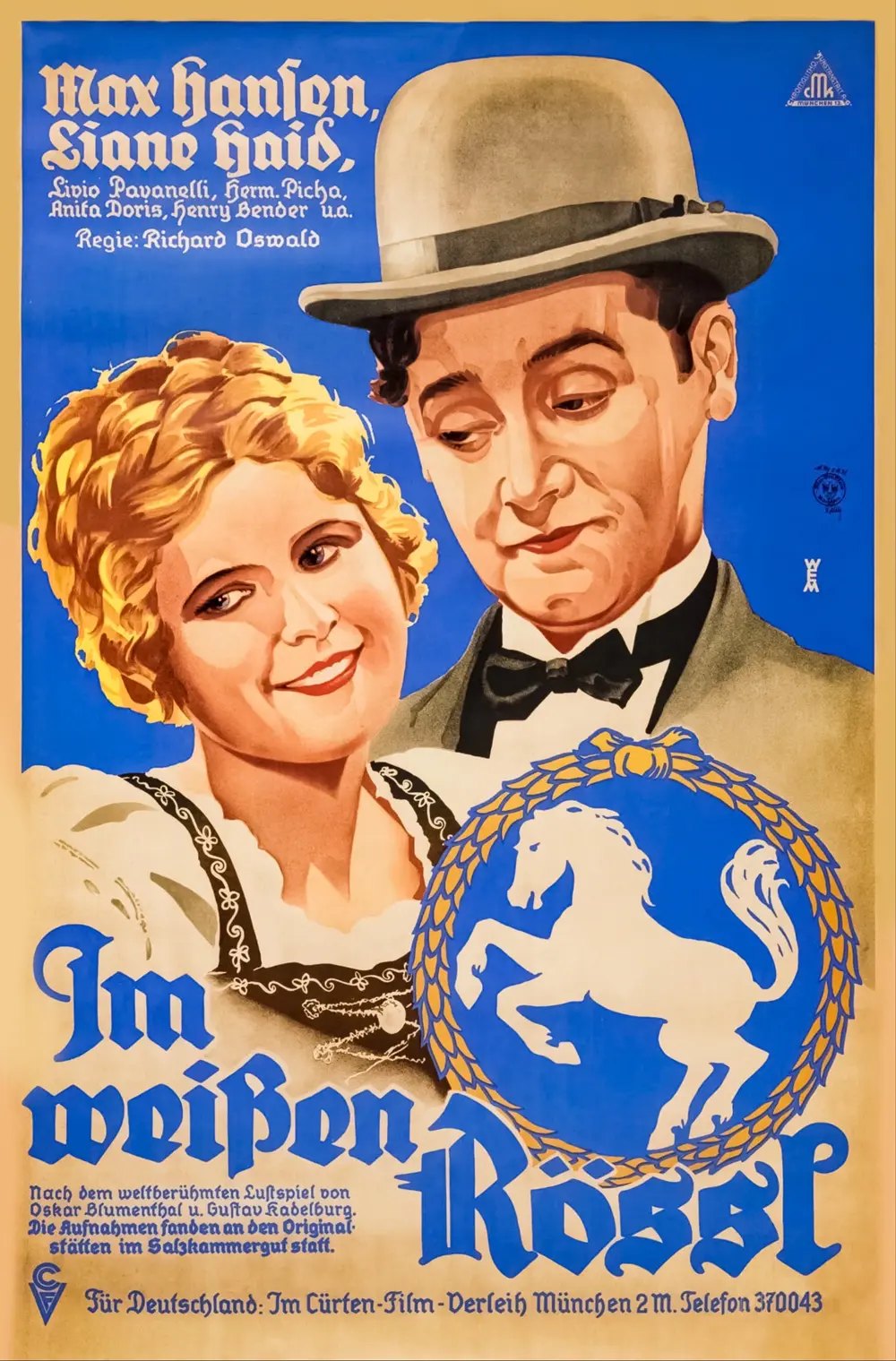
Short answer: Yes, but only if you have an appetite for the specific visual vocabulary of Weimar-era farce. This film is for the dedicated cinephile who enjoys tracing the evolution of European comedy; it is absolutely not for those who require the sweeping musical numbers of the later 1960s Technicolor versions.
Is the 1926 version of Im weißen Rößl a good movie? It is a fascinating cultural artifact that manages to translate stage-bound energy into cinematic movement. While it lacks the iconic soundtrack we now associate with the title, the physical performances provide a different kind of rhythm that is equally engaging for those patient enough to look for it.
This film works because it captures the frantic, almost desperate energy of the service industry, a theme that remains timeless. The dynamic between Leopold and Josepha isn't just a romantic subplot; it’s a power struggle wrapped in the etiquette of a high-end resort. This film fails because it occasionally leans too heavily on stage-play tropes that don't always translate to the silent screen, leading to moments of static blocking. You should watch it if you appreciate the historical transition of German cinema from Expressionism into more commercial, populist entertainment.
Max Hansen as Leopold is a revelation of kinetic energy. In an era where many actors were still trapped in the theatrical over-acting of the previous decade, Hansen brings a nuanced, albeit energetic, charm to the role of the lovelorn waiter. His facial expressions during the dinner service scenes are a masterclass in suppressed frustration. He doesn't just play a character; he plays a man constantly on the verge of a breakdown, held back only by the prospect of a tip and the hope of a smile from Josepha.
Kurt Gerron and Hugo Döblin provide the necessary weight to the ensemble. Gerron, in particular, showcases the kind of screen presence that would later make him a staple of the industry before his tragic end in the Holocaust. Here, he is part of a clockwork mechanism of comedy. Every entrance and exit feels calculated for maximum impact, reminiscent of the pacing seen in Never Say Die. The chemistry between the staff and the guests creates a microcosmic view of 1920s social stratification.
Richard Oswald’s direction is surprisingly fluid for 1926. While many comedies of this era were filmed on flat, uninspired sets, Oswald takes the camera toward the water. The shots of Lake Wolfgang aren't just transition fillers; they establish a sense of place that makes the claustrophobia of the inn feel more acute. It’s a visual strategy similar to the one employed in Castles for Two, where the environment serves as both a romantic ideal and a barrier.
The cinematography by Frederik Fuglsang utilizes the natural light of the Austrian landscape to contrast with the shadowed, busy interiors of the inn. There is a specific scene where the guests arrive by boat; the way the camera tracks their approach creates a sense of impending chaos. It’s a simple technique, but it effectively builds the tension required for farce. The pacing, however, is where the film shows its age. Farce relies on speed, and while the actors move quickly, the editing sometimes feels a beat too slow by modern standards.
Watching a silent version of a story famous for its music is a jarring experience. You find yourself looking for the songs in the rhythm of the intertitles. This creates a strange, almost ghostly viewing experience. However, this version of Im weißen Rößl proves that the story’s bones are strong enough to stand without the crutch of a catchy chorus. It forces the viewer to focus on the class commentary—the way the wealthy guests treat the staff as part of the furniture.
In one particularly biting scene, a guest complains about the temperature of the soup while Leopold is clearly dealing with a romantic crisis. The juxtaposition is sharp. It’s a moment of social critique that might have been buried under a musical number in later versions. This film is grittier than its reputation suggests. It’s a comedy, yes. But it’s a comedy of errors born from a very real social divide.
When compared to more dramatic works of the same year, like The Third Degree (1926), Im weißen Rößl feels light, but not necessarily shallow. While The Third Degree deals with the weight of the law, Oswald’s film deals with the weight of social expectation. It shares a certain DNA with Mr. Billings Spends His Dime in its portrayal of the 'little man' trying to navigate a world that values wealth over worth.
Even compared to films like Blue Jeans, which utilized rural settings for melodrama, this film uses the countryside as a pressure cooker. There is no escape from the social performance. Even in the middle of the Alps, the characters are bound by the rigid rules of the city they left behind. It’s a cynical observation wrapped in a colorful (well, black and white) package.
Yes, if you want to understand the foundations of European romantic comedy. It is a vital link between the stage farces of the 19th century and the sophisticated screwball comedies of the 1930s. It offers a glimpse into a lost world of German cinema before the industry was decimated and reformed. The film is a relic, but a vibrant one. It doesn't just sit there; it gesticulates wildly. It works. But it’s flawed.
Pros:
Cons:
Im weißen Rößl (1926) is a charming, if occasionally clunky, reminder of the power of physical performance. It manages to be both a lighthearted romp and a semi-serious look at class friction. While it may not reach the heights of Mad Love in terms of sheer cinematic innovation, it is a sturdy, well-crafted piece of entertainment. It dances. Then it trips. But it always gets back up with a smile. For the silent film enthusiast, it is an essential stop on the journey through 1920s European film history.
IMDb —
1920
Community
Log in to comment.