DbcultAccessing Vault...
6/10
Senior Film Conservator
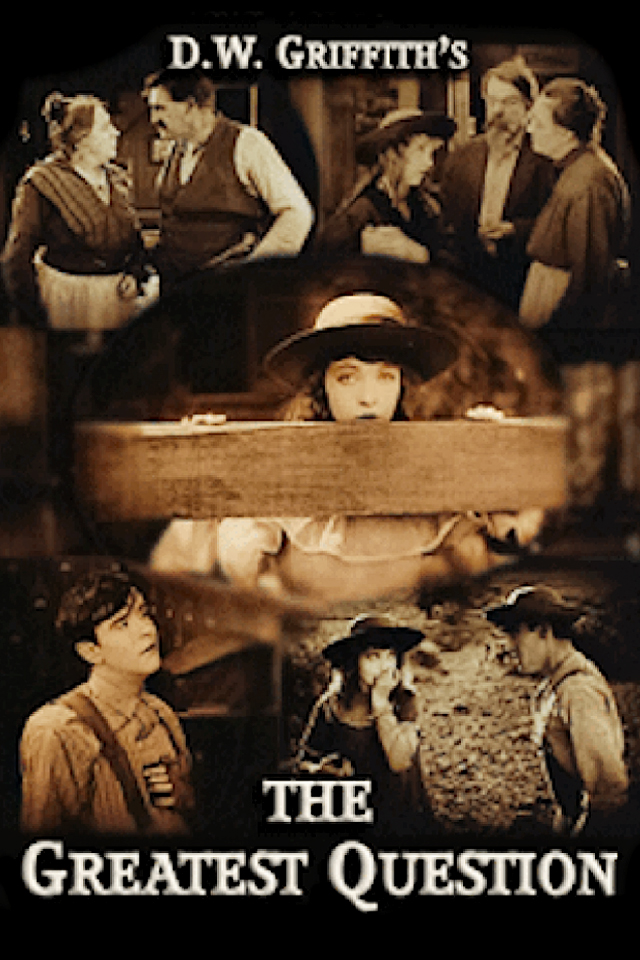
A definitive 6/10 rating for a film that redefined the boundaries of cult cinema. The Greatest Question remains a cornerstone of transgressive art.
Stepping back into the nascent days of cinema, one encounters a fascinating tapestry of narrative ambition and raw emotional power. Among these early gems, 'The Greatest Question' (1919) emerges not merely as a historical artifact, but as a potent, unsettling exploration of human depravity and the resilience of the innocent. Forget the sepia-toned quaintness often associated with the silent era; this film, penned by Stanner E.V. Taylor and William Hale, plunges viewers into a chilling rural gothic, where the pastoral idyll is but a thin veil over a festering darkness. It’s a testament to the era’s storytelling prowess, proving that long before jump scares and elaborate special effects, the sheer force of character and atmosphere could evoke profound dread.
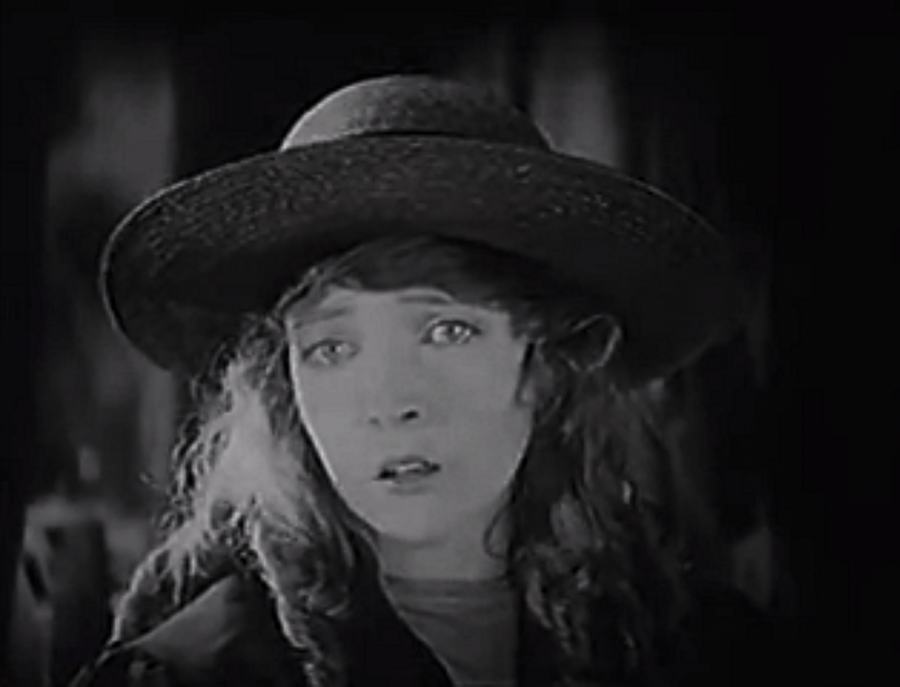
At its heart lies the plight of Nellie, portrayed with breathtaking vulnerability and nascent strength by the incomparable Lillian Gish. Gish, an actress whose ability to convey complex inner worlds through subtle gesture and piercing gaze remains unparalleled, imbues Nellie with a fragility that instantly garners our protective instincts. Her performance here is a masterclass in silent acting, charting a trajectory from wide-eyed hope to abject terror, and ultimately, to a defiant struggle for survival. Nellie is an orphan, adrift in a world that has already dealt her cruel blows, a narrative trope that resonates deeply with the enduring struggles seen in works like Les misérables, where the marginalized and dispossessed navigate a callous society. However, 'The Greatest Question' narrows its focus, concentrating the societal cruelty into the terrifying microcosm of a single, isolated farmstead.
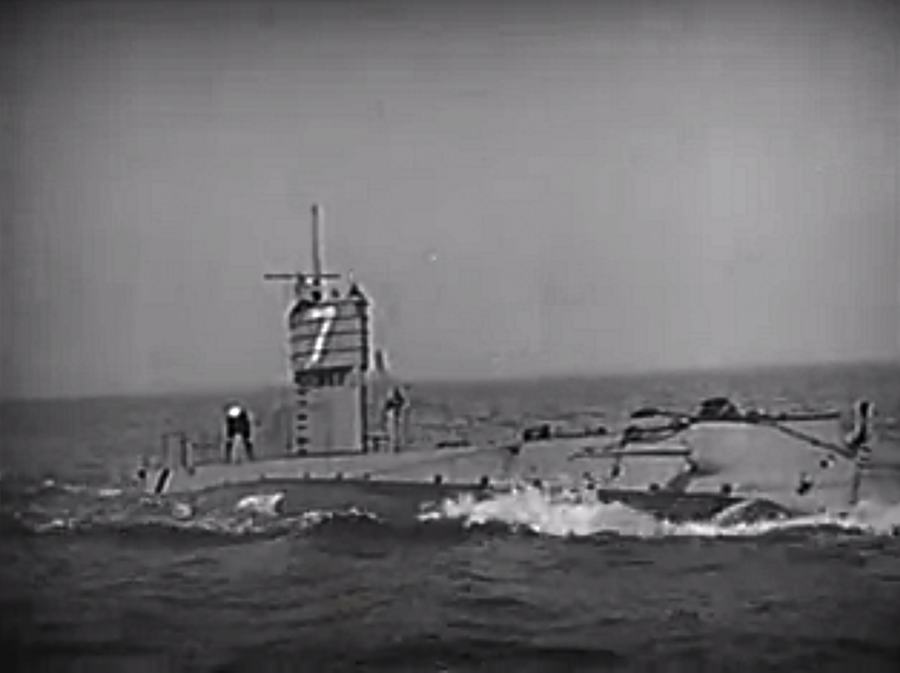
The film's initial setup is deceptively simple: a lost girl finds shelter. Yet, the writers, Taylor and Hale, skillfully subvert this comforting premise almost immediately. The farmer (George Fawcett) and his wife (Josephine Crowell) who take Nellie in are not the benevolent figures they initially appear to be. Their generosity is a thin, brittle façade, barely concealing a chilling avarice and a capacity for unspeakable acts. This slow reveal of their true nature is where the film truly excels, building a pervasive sense of unease rather than relying on sudden shocks. It’s a tension that coils tighter with each passing scene, as Nellie’s innocent observations gradually piece together the sinister puzzle of her new home. The farm, meant to be a haven, transforms into a psychological prison, its isolation becoming a terrifying amplifier for the malevolence within.
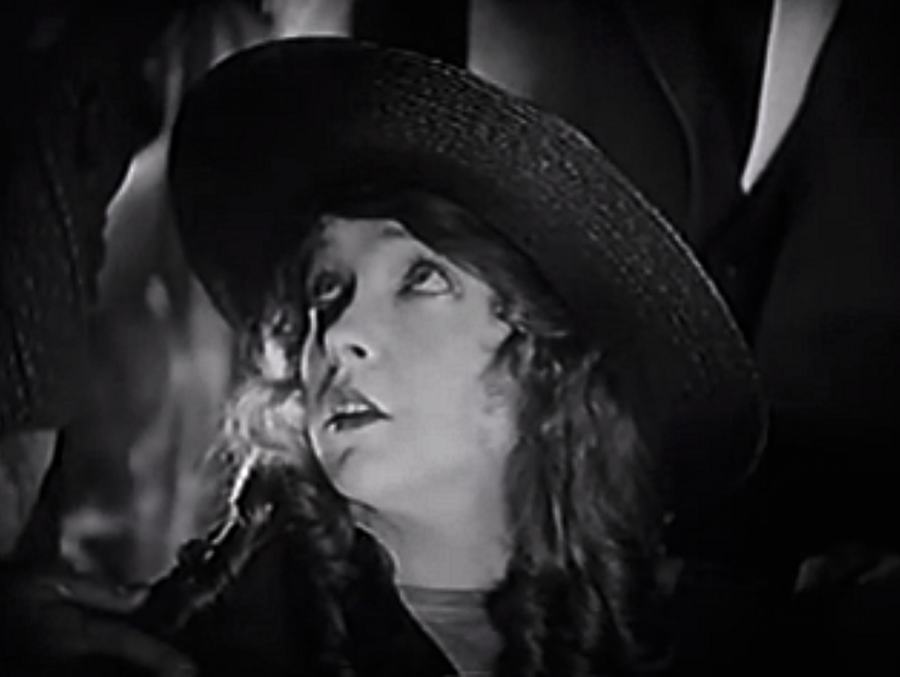
The dynamic between the seemingly kindly exterior and the hidden depravity is a potent one, reminiscent of the unsettling undercurrents found in gothic literature. Fawcett and Crowell deliver performances that are chilling in their banality, presenting villains who are not overtly monstrous, but rather subtly, insidiously cruel. Their villainy is less about grand gestures and more about the slow erosion of hope, the casual infliction of terror, and the chilling normalcy with which they pursue their nefarious ends. This portrayal makes their characters all the more terrifying, as they embody the evil that can lurk beneath the surface of everyday life, a thematic thread that gives the film a timeless resonance.
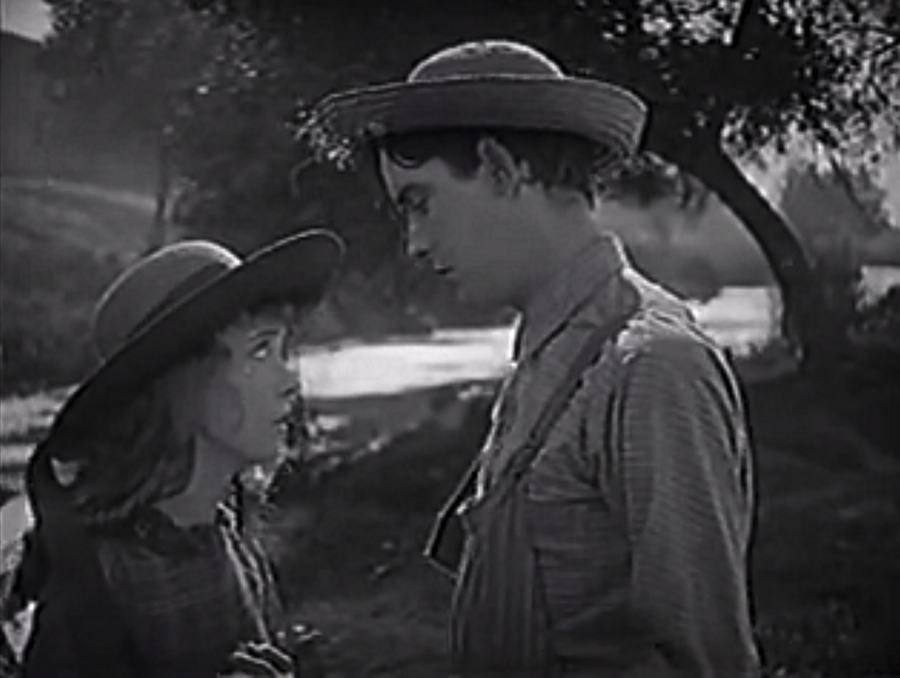
Beyond Gish's luminous central performance, the supporting cast contributes significantly to the film's oppressive atmosphere. Robert Harron, often a romantic lead in films of this era, appears here in a role that, while not central to the immediate terror, provides a glimmer of external hope and a connection to a world beyond the farm's confines. His presence, however brief, serves as a crucial counterpoint to the suffocating despair that threatens to engulf Nellie. Eugenie Besserer and George Nichols also lend their formidable talents, though it is the psychological interplay between Gish and her tormentors that truly anchors the film’s emotional weight. The silent film era demanded a unique mastery of physical expression and facial nuance, and this ensemble rises to the occasion, communicating volumes without a single spoken word.
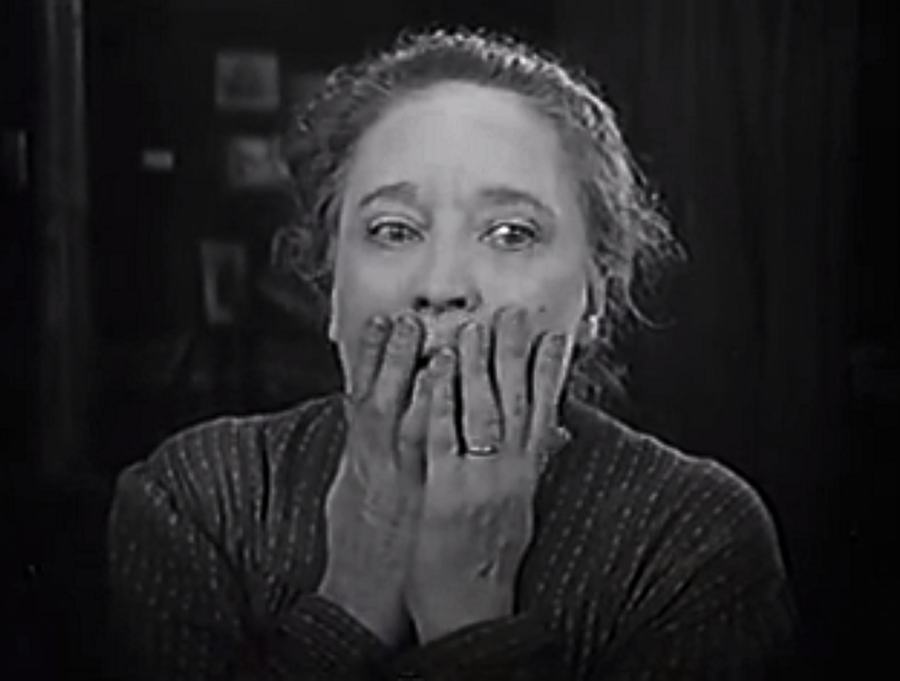
The screenplay by Taylor and Hale is remarkably taut, building suspense with an almost surgical precision. They understand that true horror often lies in what is implied rather than explicitly shown, allowing the audience’s imagination to fill in the terrifying blanks. This narrative restraint, coupled with the dramatic performances, creates a visceral experience that transcends the limitations of its medium. It’s a testament to their craft that even a century later, the film’s tension remains palpable. The story’s structure, which incrementally reveals the full extent of the farmer and his wife's depravity, keeps the audience on edge, mirroring Nellie's own growing dread.
'The Greatest Question' grapples with profound themes that resonate far beyond its immediate plot. It is a stark examination of the corrupting influence of greed, the vulnerability of the innocent, and the enduring human capacity for both good and evil. The question posed by the title, though never explicitly articulated, seems to revolve around the nature of morality itself, and perhaps, the divine or human intervention required to tip the scales towards justice in the face of overwhelming malevolence. This moral struggle finds echoes in other films of the period, where characters face profound ethical dilemmas, much like the challenging choices presented in The Price of Silence or the trials of character in The Test. Here, however, the stakes are arguably higher, as Nellie’s very life hangs in the balance, a pawn in a game she barely comprehends.
The film also subtly critiques the isolation of rural life, portraying it not as an idyllic escape, but as a breeding ground for unchecked malice. Without the watchful eyes of a community, the darkest impulses can flourish, unhindered by social accountability. This aspect adds another layer of dread, suggesting that sometimes, the greatest dangers lurk not in the bustling metropolis, but in the quiet, forgotten corners of the world. The stark contrast between the natural beauty of the farm and the unnatural horrors unfolding within its walls is a classic gothic device, used effectively to heighten the sense of unease. The cinematography, even without a credited director (relying on the strength of the writers and performers), manages to convey this dichotomy, capturing both the sweeping landscapes and the claustrophobic interiors with equal impact.
While not as widely remembered as some of its contemporaries, 'The Greatest Question' is a significant piece of silent cinema that deserves renewed attention. It showcases the dramatic capabilities of the era, proving that powerful, suspenseful storytelling was already flourishing. The film’s ability to generate genuine fear and empathy through visual narrative alone is remarkable. It stands as a testament to the collaborative artistry of its writers and performers, who, together, crafted a compelling and unsettling experience. Its pacing, deliberate yet never stagnant, allows the tension to simmer and build, culminating in a truly gripping climax. Unlike the more boisterous spectacles of the time, or even the lighter fare like Danger, Go Slow, 'The Greatest Question' opts for a more intimate, psychological form of terror, proving that sometimes the quietest horrors are the most profound.
The film’s influence, while perhaps subtle, can be traced through later works that explore similar themes of rural menace and imperiled innocence. Its effective use of confined spaces and the gradual revelation of villainy set a precedent for psychological thrillers to come. Watching 'The Greatest Question' today is not just an exercise in historical appreciation; it is a genuinely immersive experience that reminds us of the timeless power of storytelling. It’s a stark reminder that even in the nascent years of the medium, filmmakers were already grappling with the darkest corners of the human psyche, delivering narratives that could haunt and provoke long after the final fade to black. The emotional arc of Nellie, from a hopeful child to a survivor forged in the crucible of fear, is a powerful journey that resonates deeply, leaving an indelible mark on the viewer. It’s a film that asks us to consider the hidden evils that can lurk in plain sight and the immense strength required to confront them, making its title all the more poignant and enduring.
The enduring appeal of 'The Greatest Question' lies in its unflinching portrayal of human vulnerability and resilience. It doesn't shy away from the grim realities of its premise, but instead, leans into the psychological horror of a child trapped by adults who have abandoned all moral compass. The performances, particularly Gish's, elevate the material beyond mere melodrama, investing it with a profound sense of authenticity and emotional weight. It's a film that speaks to the universal fear of being helpless in the face of malevolence, a fear that transcends time and cinematic technique. Ultimately, 'The Greatest Question' is more than just a silent film; it's a raw, powerful drama that explores the very limits of human cruelty and the enduring spirit of survival, proving that some narratives, like some questions, remain eternally relevant and deeply unsettling. Its legacy is not just in its historical place, but in its continued ability to stir discomfort and admiration in equal measure, cementing its status as a compelling, albeit dark, cinematic achievement of its era.
IMDb 5.2
1932
Community
Log in to comment.