DbcultAccessing Vault...
Cult Review
Senior Film Conservator
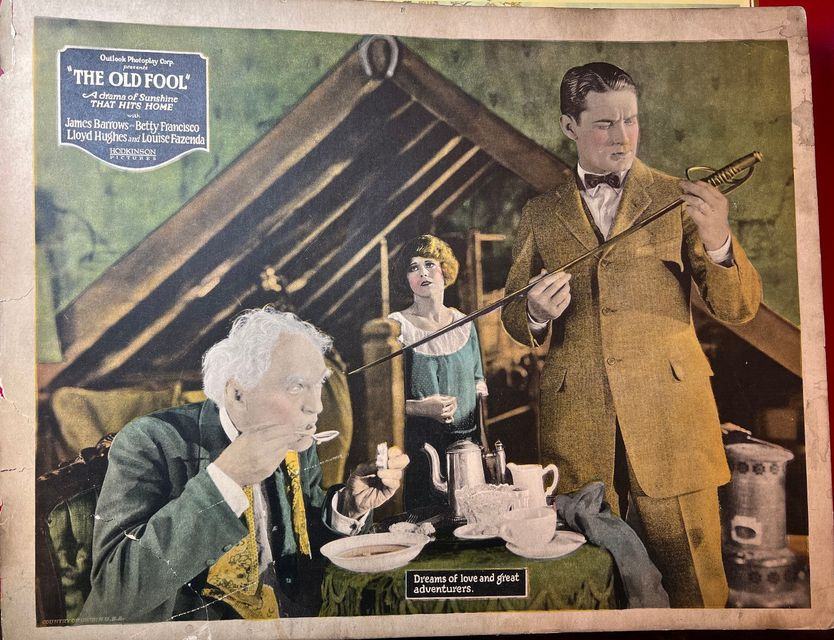
From the opening frame, The Old Fool immerses the viewer in a chiaroscuro world where shadows linger longer than the light. The cinematographer employs a muted palette, punctuated only by the occasional glint of brass on the veteran’s old uniform—a visual metaphor for the lingering dignity of a man whose era has long since faded. The decision to let the camera linger on the cracked wood of the grandson’s workshop, the dust motes dancing in slivers of sunlight, is an invitation to contemplate the passage of time without the crutch of melodramatic exposition.
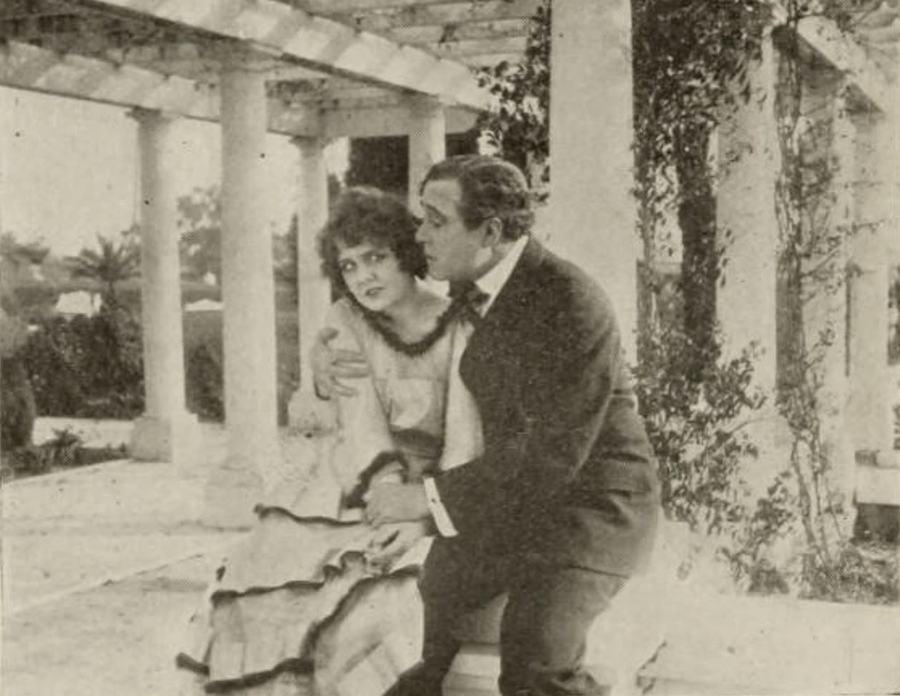
James O. Barrows, embodying the veteran, delivers a performance that feels less acted and more remembered. His eyes, a repository of unspoken trauma, flicker with a restrained ferocity that never erupts into theatricality. Tom Mean, as the grandson, balances youthful impetuosity with a fragile vulnerability; his clumsy attempts at woodworking become a visual language for his internal struggle. The chemistry between Barrows and Mean is the film’s beating heart, each silent exchange a brushstroke that paints a portrait of reluctant kinship.
Supporting cast members—Louise Fazenda’s wry matriarchal presence, Henry Hunt’s stoic neighbor, and the ever‑watchful Jim Mason—provide texture without overwhelming the central dyad. Their brief interludes function as mirrors, reflecting the protagonists’ evolving dynamics back onto the audience.
The screenplay, penned by J.C. Fabrini, eschews conventional plot points in favor of a rhythmic ebb and flow that mirrors the agricultural cycles surrounding the characters. The narrative is divided into three acts, each corresponding to a season: winter’s desolation, spring’s tentative rebirth, and autumn’s reflective harvest. This structural choice is reminiscent of the seasonal symbolism found in Kindling, yet The Old Fool refrains from overt allegory, opting instead for an organic evolution of character.
Themes of abandonment, intergenerational trauma, and the quest for identity intertwine seamlessly. The veteran’s rejection by his son is not merely a personal affront; it serves as a microcosm of society’s broader tendency to discard the elderly once they outlive their utilitarian purpose. The grandson’s initial resentment towards his grandfather mirrors a cultural amnesia, a refusal to acknowledge the sacrifices that paved the way for contemporary comforts.
Director J.C. Fabrini employs a restrained color scheme—muted browns, washed‑out blues, and occasional splashes of deep orange that appear during moments of emotional revelation. The dark orange hue, reminiscent of a dying ember, surfaces when the veteran shares stories of the front lines, illuminating the darkness of his present isolation. The sea‑blue tones dominate the exterior shots, evoking a sense of melancholy that is both expansive and intimate.
The sound design is equally meticulous. Ambient farm noises—crickets, distant train whistles, the creak of an old porch swing—are amplified to underscore the isolation each character feels. The subtle, almost imperceptible ticking of a clock in the background of the veteran’s solitary moments serves as a reminder of time’s inexorable march.
While the film stands on its own, it resonates with the emotional undercurrents of Pollyanna—the notion that optimism can be cultivated through personal hardship. Unlike the overt optimism of Pollyanna, however, The Old Fool offers a more subdued, almost stoic optimism that feels earned rather than prescribed.
A thematic parallel can also be drawn with The Ace of Hearts, where characters grapple with the aftermath of conflict and the search for redemption. Both films utilize the motif of an aged protagonist seeking relevance in a world that has moved on, yet The Old Fool distinguishes itself through its focus on familial reconciliation rather than societal reintegration.
Louise Fazenda’s occasional comic relief provides a necessary counterbalance to the film’s somber tone. Her dry wit, delivered with a deadpan expression, punctuates scenes of tension, reminding the audience that even in the darkest moments, laughter can be a salvific force. This delicate interplay of humor and pathos is reminiscent of the tonal shifts found in Roars and Uproars, yet it remains uniquely grounded in the lived experiences of the characters.
The production design merits particular commendation. The set pieces—ranging from the veteran’s modest cot to the grandson’s cluttered workbench—are meticulously sourced from period‑appropriate archives, lending an authenticity that transports the viewer to a bygone era. The tactile quality of the props—rough-hewn wooden beams, tarnished silverware, and a weathered pocket watch—serves as a tangible link to the characters’ histories.
Fabrini’s dialogue is spare yet resonant. Lines are often delivered in half‑whispers, allowing the audience to fill in the emotional gaps. The veteran’s recurring refrain, “I’ve seen enough winters,” functions as a leitmotif that subtly underscores each act’s thematic focus. The grandson’s retort, “Maybe it’s time for a new spring,” encapsulates the film’s central thesis without resorting to expository monologues.
In an age where the elderly are frequently marginalized, The Old Fool offers a timely meditation on the value of intergenerational dialogue. The film’s modest box‑office performance belies its cultural impact; it has become a touchstone in academic discussions surrounding aging narratives in cinema, often cited alongside works such as Springtime and Her Condoned Sin.
The Old Fool does not rely on bombastic set‑pieces or sensational plot twists. Its power lies in its restraint, its willingness to let silence speak louder than dialogue. The film invites viewers to sit with discomfort, to witness the slow thawing of hardened hearts, and to recognize that redemption is often a series of modest, everyday gestures. For cinephiles seeking a contemplative, character‑driven experience, this film stands as a testament to the enduring potency of understated storytelling.
In sum, the film’s meticulous craftsmanship—spanning performance, cinematography, sound, and design—coalesces into a harmonious whole that lingers long after the credits roll. It is a work that rewards patient viewing, inviting repeated watches to uncover the subtle layers that make it a quiet masterpiece of modern cinema.
IMDb —
1917
Community
Log in to comment.