DbcultAccessing Vault...
5.4/10
Senior Film Conservator
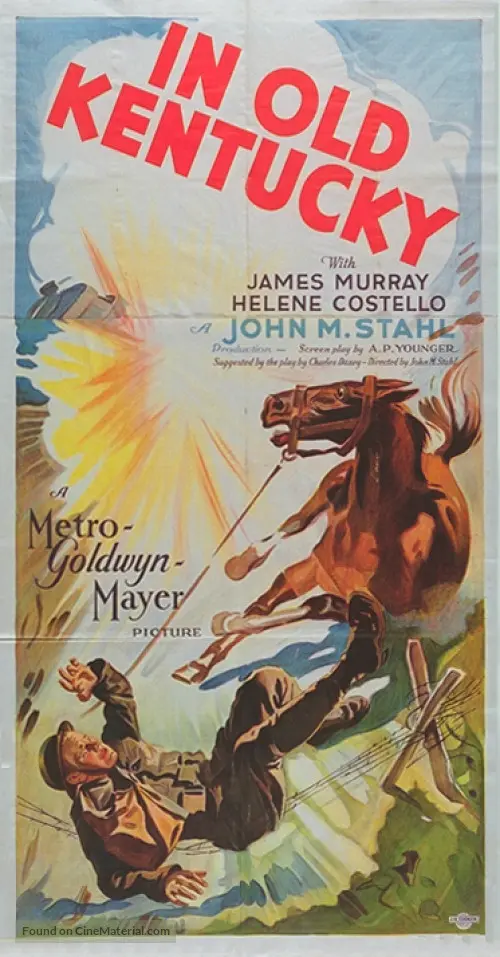
A definitive 5.4/10 rating for a film that redefined the boundaries of cult cinema. In Old Kentucky remains a cornerstone of transgressive art.
Should you invest your time in In Old Kentucky (1927) today? Short answer: Yes, but only if you are prepared to navigate the uncomfortable racial tropes of the 1920s to reach a surprisingly modern heart. This film is for the cinephile who enjoys excavating social history through celluloid and those who appreciate the 'broken hero' archetype; it is not for the casual viewer who lacks the patience for silent-era pacing or the stomach for the era's pervasive stereotypes.
This film works because it presents a remarkably grim and honest portrayal of a veteran’s descent into alcoholism, avoiding the sanitized versions of 'the drunk' often seen in early comedy. This film fails because its reliance on Stepin Fetchit’s caricature-driven performance creates a tonal whiplash that modern audiences will find difficult to reconcile with the serious drama. You should watch it if you want to see one of the earliest cinematic examples of how the Great War’s trauma reshaped the American domestic landscape.
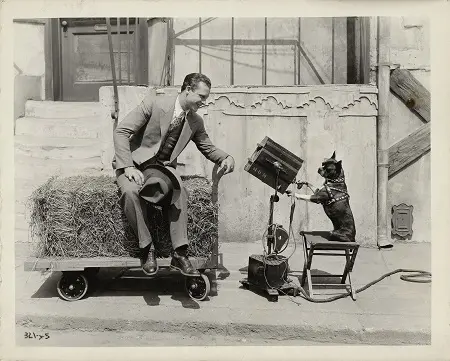
In Old Kentucky is a significant piece of silent cinema that balances the thrill of the Kentucky Derby with a somber look at post-war trauma. It succeeds as a character study of a broken man finding redemption through his son and his horse. While the racial stereotypes are difficult to watch today, the core emotional narrative remains surprisingly effective. The film captures a specific American zeitgeist where the celebration of victory was often a mask for deep-seated psychological wounds.
While many films of the late 1920s were beginning to lean into the escapism of the jazz age, In Old Kentucky feels like a lingering ghost of the previous decade. Edward Martindel’s performance as Major Brierly is the film’s anchor. He doesn't play a 'movie drunk' with stumbling feet and slurred title cards; he plays a man whose soul is leaking out. This is a man who was once a leader of men, now reduced to a figure of pity in his own community. It is a performance that reminds me of the internal torment found in The Wolf Man, where the beast is not a literal creature but a psychological manifestation of despair.
The war horse, Sgt. Jiggs, serves as more than just a plot device for the Kentucky Derby climax. The horse is a living relic of the Major’s dignity. Every time the Major looks at the horse, he is forced to confront the man he used to be. The cinematography during the stable scenes is particularly effective, using low-key lighting to emphasize the isolation of the Brierly family. You can almost smell the hay and the stale whiskey through the screen. It is a sensory experience that transcends the limitations of silent film technology.
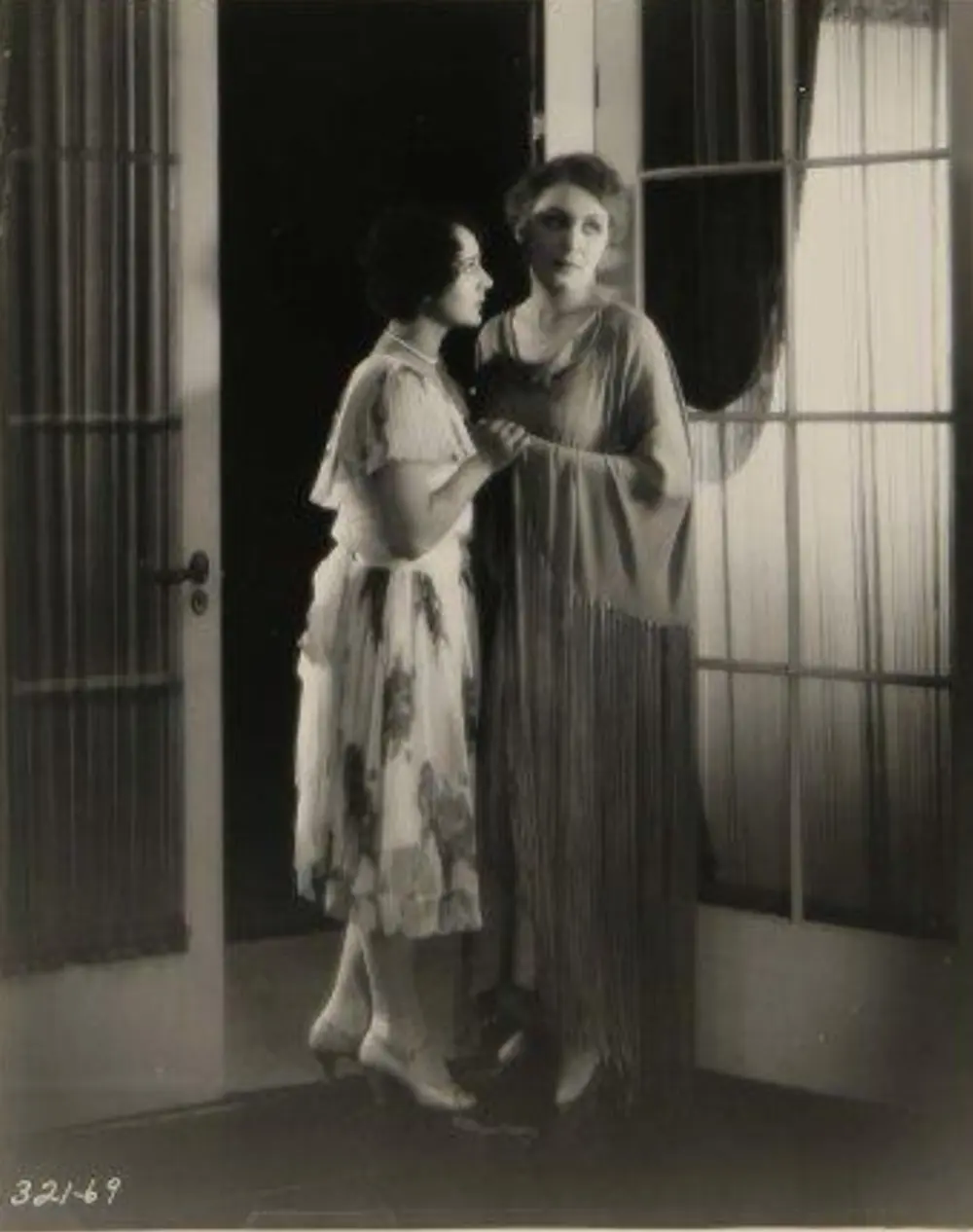
Wesley Barry, playing the son, offers a performance that is both energetic and heartbreaking. He represents the 'lost generation' in a different way—not as a disillusioned flapper, but as a child forced to grow up too fast to save his father. There is a specific scene where Jimmy tries to hide his father’s bottle, and the look of shame on the Major’s face is devastating. It’s a moment that feels as raw today as it must have in 1927. This domestic struggle mirrors the family dynamics seen in The Old Nest, yet here it is heightened by the looming deadline of the Derby.
The pacing of the film is a slow burn that builds toward the inevitable race. Director John M. Stahl (who, while not always credited for the final cut, left a clear mark on the melodrama) understands that the race only matters if we care about the people in the stands. The stakes are not just financial; they are existential. If the horse loses, the Major loses his last connection to the light. It’s high-stakes storytelling that avoids the fluff of films like Beaches and Peaches, opting instead for a gritty realism.
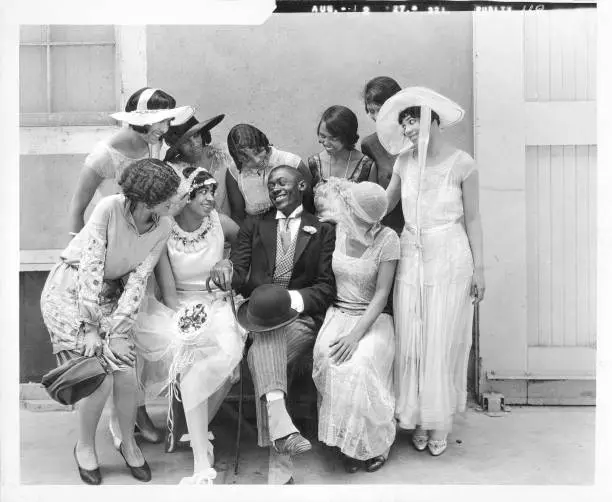
It is impossible to review In Old Kentucky without addressing the presence of Stepin Fetchit. This was the role that effectively launched his career as the first Black actor to receive screen credit and become a millionaire, yet his performance is built entirely on the 'lazy' archetype that modern viewers find abhorrent. It creates a bizarre contrast. On one hand, you have a sophisticated drama about PTSD, and on the other, you have a broad, offensive comedy act. This duality is a hallmark of 1920s cinema, but it remains a significant hurdle for contemporary appreciation.
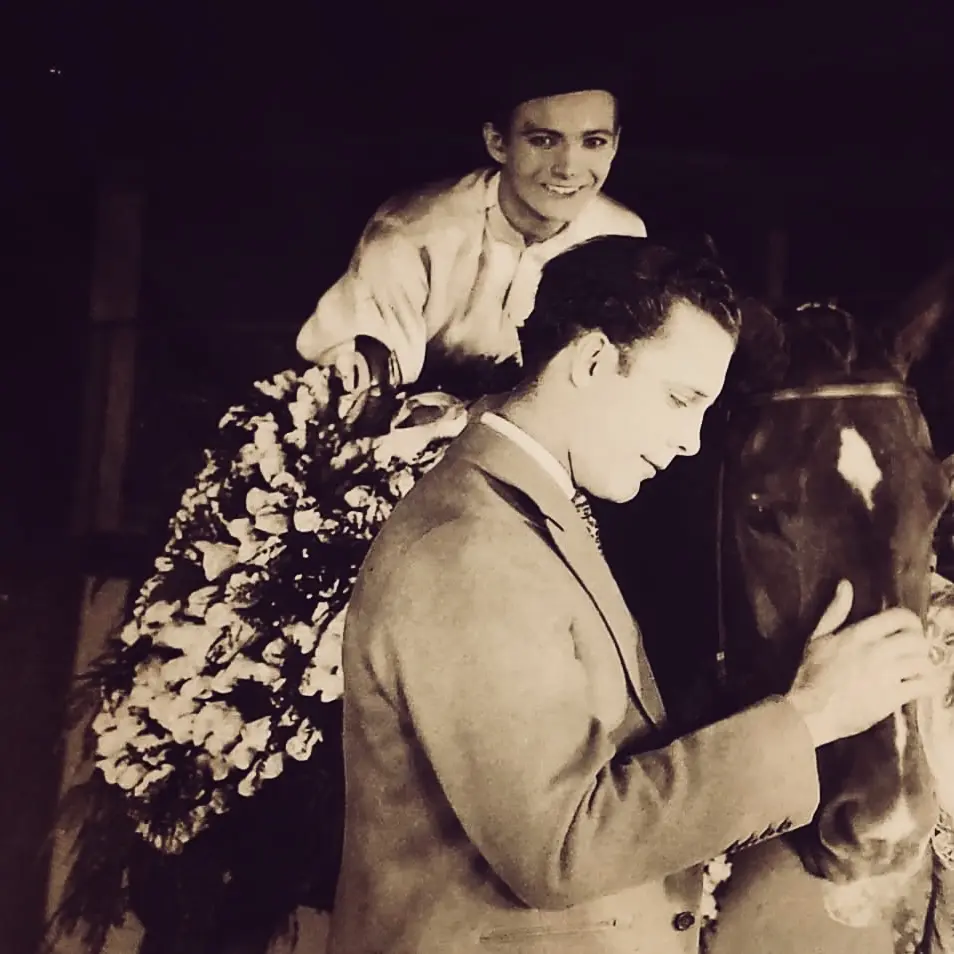
However, if one looks past the caricature, the film’s depiction of the Black community in Kentucky—including Mildred Washington and Carolynne Snowden—offers a rare, albeit filtered, glimpse into a world that was often ignored by Hollywood. It is a reminder that even in a film about white Southern aristocracy, the reality of the American South was inextricably multicultural. This film, much like The Narrow Street, tries to find a path through social expectations, though it often trips over its own period-specific prejudices.
The cinematography by Max Fabian is standout. The 1927 version of In Old Kentucky was a remake of a 1919 version, and the technical leaps are evident. The race sequences are filmed with a kinetic energy that predates the modern sports movie. The cameras are placed low to the ground, capturing the thundering hooves and the spray of dirt in a way that feels immersive. It lacks the static, stagey feel of earlier silent films like Some Cave Man.
The editing during the final stretch of the race is masterfully handled. The intercutting between the Major’s anxious face, the son’s desperate cheering, and the horse’s straining muscles creates a genuine sense of suspense. You forget that you are watching a film that is nearly a century old. The tension is universal. It works. But it’s flawed. The resolution feels a bit too tidy given the darkness of the preceding hour, but in the context of 1927, audiences demanded a glimmer of hope after the horrors of the war.
Pros:
The film offers a visceral look at the psychological impact of WWI. The horse racing sequences are technically impressive even by today's standards. The emotional bond between the son and the father is genuinely moving and avoids being overly sentimental.
Cons:
The racial stereotypes are a major detractor for modern audiences. Some of the secondary plot points feel like padding to reach feature length. The ending, while satisfying, feels a bit disconnected from the gritty tone of the first two acts.
In Old Kentucky (1927) is not a perfect film, but it is a necessary one for those who wish to understand the evolution of American cinema. It sits in a strange middle ground between the primitive storytelling of the early 1910s and the sophisticated talkies that would soon follow. It is far more ambitious than contemporary light fare like The Love Swindle, aiming instead for a grander statement on the American spirit.
The film’s legacy is complicated by its social flaws, but its artistic merits are undeniable. It captures the pain of a generation trying to find its footing on a track that is constantly shifting. The Major’s struggle is a universal one—the fight to reclaim one's dignity after the world has moved on. It is a quiet, dusty, and occasionally brilliant piece of history that deserves to be viewed with a critical, yet appreciative, eye. It isn't just a movie about a horse; it's a movie about the long, slow walk home from a war that never truly ends.
IMDb 7.3
1936
Community
Log in to comment.