DbcultAccessing Vault...
Cult Review
Senior Film Conservator
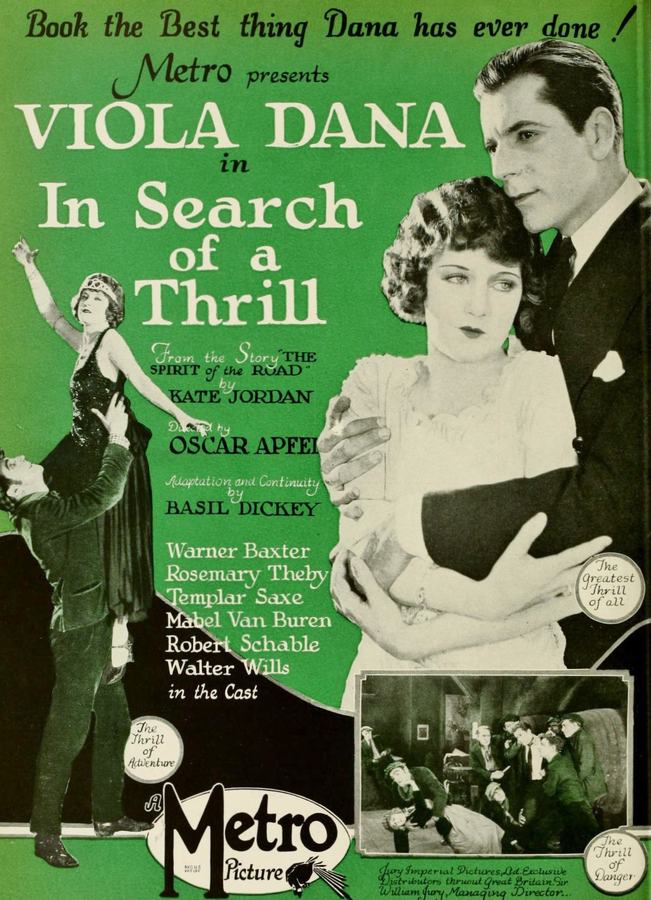
When the silver screen first flickered with In Search of a Thrill, audiences were presented with more than a simple romance; they were offered a tableau of class conflict, moral rebirth, and the intoxicating allure of Parisian decadence. The film, penned by Basil Dickey, Winifred Dunn, and Kate Jordan, unfolds like a chiaroscuro painting, where light and shadow dance across the frames, echoing the protagonist's internal oscillation between privilege and purpose.
Ann Clemance, portrayed with beguiling poise by Viola Dana, inherits a fortune that could easily have consigned her to a life of idle extravagance. Yet the script thrusts her onto the cobblestones of Paris, a city that simultaneously dazzles and disgusts. Adrian Torrens (Robert Schable), a social reformer whose eyes burn with a righteous fire, serves as both foil and catalyst. Their dynamic is reminiscent of the tension found in The Parish Priest, where moral conviction clashes with worldly allure.
The moment Adrian introduces an Apache dancer—her movements a visceral embodiment of rebellion—Ann's curiosity mutates into a reckless masquerade. Donning a similar costume, she infiltrates Adrian's modest domicile, pilfering trinkets as though testing the limits of her inherited entitlement. This audacious act is less a crime than a symbolic breach, a theatrical gesture that underscores her yearning to be seen beyond the gilded veneer.
Adrian's subsequent promenade through Paris's impoverished quartiers is rendered with a cinematic tenderness rarely afforded to silent-era set pieces. The camera lingers on cramped attic rooms, soot-stained walls, and children playing amidst refuse—images that echo the stark realism of Reckless Youth. The mise-en-scène employs a muted palette, allowing the occasional flash of the sea‑blue #0E7490 in a distant river or a streetlamp to punctuate the gloom, while the occasional burst of dark orange #C2410C—perhaps a lantern or a baker’s oven—injects warmth into the tableau.
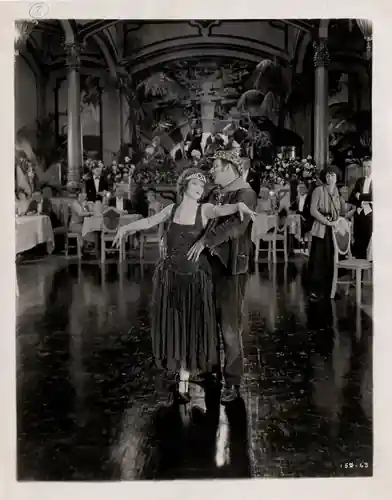
The director's choice to juxtapose Ann's opulent attire against the backdrop of squalor amplifies the film's central paradox: wealth can be both a shield and a cage. The visual contrast is not merely aesthetic; it is narrative, urging the audience to interrogate the societal structures that permit such disparity.
Beyond its melodramatic veneer, the film grapples with early 20th‑century debates surrounding philanthropy versus paternalism. Ann's eventual adoption of an orphan—a poignant vignette that mirrors the era's burgeoning orphanage movements—signifies a shift from self‑indulgent charity to genuine, relational care. This evolution aligns with contemporary discourses found in The Captive, where personal redemption is tethered to societal responsibility.
Adrian's unwavering composure throughout Ann's theatrical theft underscores a philosophical stance: true reform is not swayed by performative gestures but by sustained exposure to the lived realities of the marginalized. His calm acceptance of Ann's intrusion serves as a narrative device, suggesting that the path to empathy often begins with uncomfortable confrontation.
Viola Dana's expressive eyes convey a spectrum of emotions—from aristocratic aloofness to humbled compassion—without the crutch of dialogue. Her ability to transition from coquettish laughter to tearful introspection is a masterclass in silent-era acting, rivaling the emotive depth seen in Rowdy Ann. Robert Schable, as Adrian, balances stern resolve with a softness that surfaces only in moments of shared silence, particularly when he gazes upon the orphaned child he later embraces.
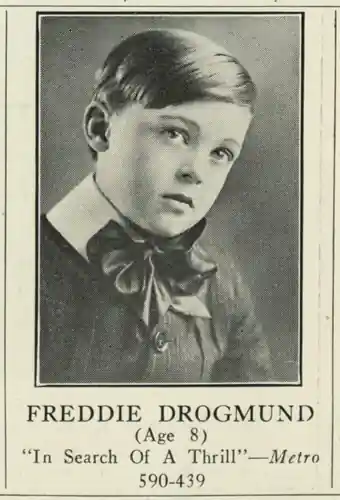
Supporting cast members—Leo White's comic relief as a bumbling aristocrat, Mabel Van Buren's stoic matriarch, and Warner Baxter's enigmatic street vendor—populate the film's world with texture, each performance a brushstroke that enriches the overall canvas.
The cinematographer employs chiaroscuro lighting to accentuate the moral chiaroscuro at play. Night scenes are drenched in velvety black, punctuated by the occasional glow of a streetlamp rendered in #EAB308, casting elongated shadows that mirror Ann's lingering doubts. The occasional use of the sea‑blue #0E7490 in reflective puddles or the Seine's surface offers a visual metaphor for clarity emerging from murk.
Camera movement is deliberate yet fluid; tracking shots follow Ann as she navigates narrow alleys, immersing the viewer in her evolving perspective. The editing rhythm slows during moments of introspection, allowing the audience to savor the emotional weight, then quickens during the robbery sequence, heightening tension without sacrificing narrative coherence.
When placed alongside contemporaneous works like The Scarab Ring or The Great Day, In Search of a Thrill distinguishes itself through its nuanced exploration of class fluidity. While many silent dramas of the 1920s employed wealth as a static backdrop, this film treats affluence as a mutable catalyst for personal metamorphosis.
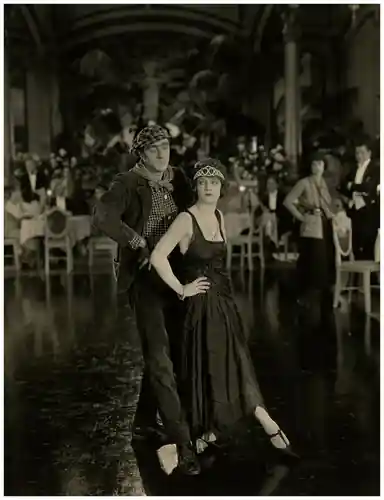
The narrative's progression—from opulent inheritance to gritty altruism—mirrors the broader cultural shift of the Roaring Twenties, where the excesses of the elite were increasingly scrutinized by a populace yearning for equity. The film anticipates the thematic preoccupations of later sound-era masterpieces, making it a prescient artifact of its time.
Although silent, the film's original score—reconstructed from period cue sheets—utilizes a piano motif that oscillates between jaunty waltzes during the Parisian high society scenes and somber minor chords in the slums. This auditory dichotomy reinforces the visual polarity, guiding the audience's emotional compass without a single spoken word.
Decades after its premiere, In Search of a Thrill remains a compelling study of how wealth can be harnessed for societal betterment—or squandered in self‑indulgence. Its resolution—Ann's marriage to Adrian and her embrace of philanthropy—might appear neatly tidy, yet it invites modern viewers to contemplate the authenticity of such transformations in an age where celebrity activism often flirts with performative gestures.
For scholars of silent cinema, the film offers a fertile ground for analysis of gender dynamics, as Ann's agency oscillates between rebellion and conformity. Her journey challenges the era's patriarchal expectations, suggesting that true empowerment arises not from wealth alone but from conscious, compassionate action.
In an era saturated with fast‑paced blockbusters, revisiting this 1922 gem provides a reminder that storytelling can be both elegant and provocative, even without spoken dialogue. Its meticulous craftsmanship, layered performances, and resonant themes secure its place in the pantheon of silent masterpieces.
Rating: ★★★★☆ (4 out of 5)
IMDb 6.3
1936
Community
Log in to comment.