DbcultAccessing Vault...
Cult Review
Senior Film Conservator
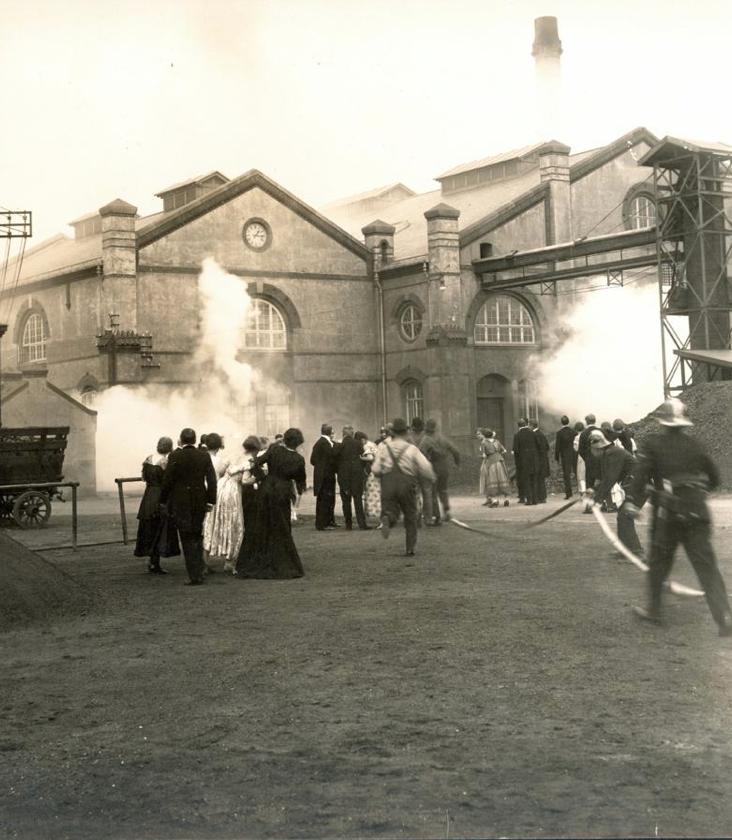
In the annals of early 20th-century Danish cinema, a particular gem, “Kammerpigen” (The Chambermaid), emerges not merely as a relic of a bygone era but as a profoundly resonant exploration of human vulnerability, financial precipice, and the moral compromises forged in the crucible of desperation. Released in 1917, a tumultuous year globally, this film, penned by Hortense Laus, transcends its silent medium to articulate a narrative brimming with psychological complexity and social critique. It's a testament to the power of visual storytelling, where every gesture, every flicker of an eye, and every carefully composed frame contributes to a tapestry of unspoken anxieties and calculated deceptions.
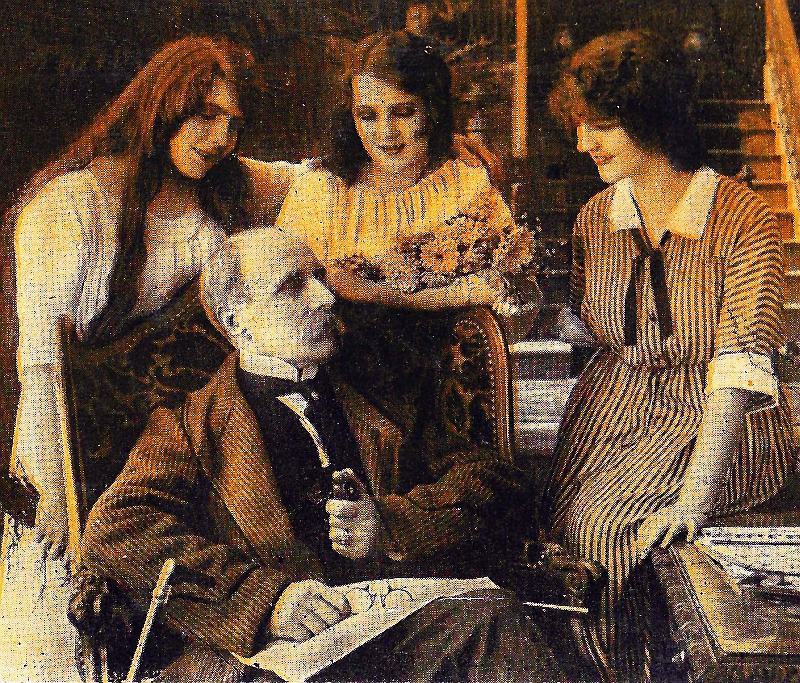
The film introduces us to Manufacturer Berner, portrayed with a nuanced blend of patriarchal authority and burgeoning panic by Robert Dinesen. Berner's world, seemingly a bastion of bourgeois comfort and stability, shared with his daughter Agnes (Vibeke Krøyer), is, in truth, a house of cards on the brink of collapse. His manufacturing enterprise, the very foundation of his family's prosperity, is teetering precariously close to bankruptcy. The initial scenes deftly establish this deceptive tranquility, a calm before the storm that heightens the eventual revelation of his financial ruin. Dinesen's performance is particularly noteworthy here; his stoic facade gradually cracks, revealing the immense burden he carries, a silent scream of impending professional and personal annihilation.
The moment Berner finally confesses his dire predicament to Agnes is a masterclass in silent film dramaturgy. There are no dramatic monologues, only the raw, visceral impact of a father's shame and a daughter's dawning horror. Vibeke Krøyer, as Agnes, transforms from a sheltered young woman into an individual confronted with an existential threat to her family’s very existence. Her initial shock quickly morphs into a steely resolve, a pragmatic determination to salvage what remains. It is in this crucible of crisis that Agnes's true character emerges, not as a passive recipient of fate, but as an active agent, willing to navigate the treacherous waters of societal expectation and personal morality.
Agnes's plan, audacious and ethically fraught, centers around the unsuspecting housemaid, Grethe, played with an affecting innocence by Johanne Krum-Hunderup. Grethe, a figure of the working class, becomes an unwitting pawn in a high-stakes game of financial survival. The film subtly, yet powerfully, exposes the stark class disparities of the era, where the fortunes of the elite can hinge upon the manipulation of those less privileged. This manipulation is not overtly malicious, but rather a desperate act born of extreme duress, making it all the more compelling and morally ambiguous. The film doesn't preach; instead, it invites the audience to grapple with the difficult choices made when one's world crumbles.
“Kammerpigen” delves into a multitude of profound themes that remain startlingly relevant even a century later. At its core, it is a searing indictment of financial instability and its corrosive effect on human relationships and moral fortitude. The film illustrates how the specter of bankruptcy can strip away veneers of civility and force individuals to confront the raw, uncomfortable truths of their own desperation. This aspect resonates with other silent era dramas exploring similar societal pressures, such as The Sin Woman, where characters are often driven to extreme measures by economic necessity or social stigma, blurring the lines between right and wrong in their pursuit of survival or redemption.
The film's exploration of sacrifice is particularly poignant. Agnes’s decision, while morally questionable, can also be viewed as an immense personal sacrifice, a daughter’s attempt to protect her father and preserve her family’s standing, however illusory. This complex portrayal of female agency within the confines of societal expectations is a recurring motif in cinema, echoing the struggles of characters in films like Anna Karenina (1918), where women are often trapped by circumstances and forced into choices that carry immense personal cost. However, unlike Anna, Agnes's actions are driven by a desire to save her family, rather than a pursuit of personal desire, making her predicament uniquely compelling.
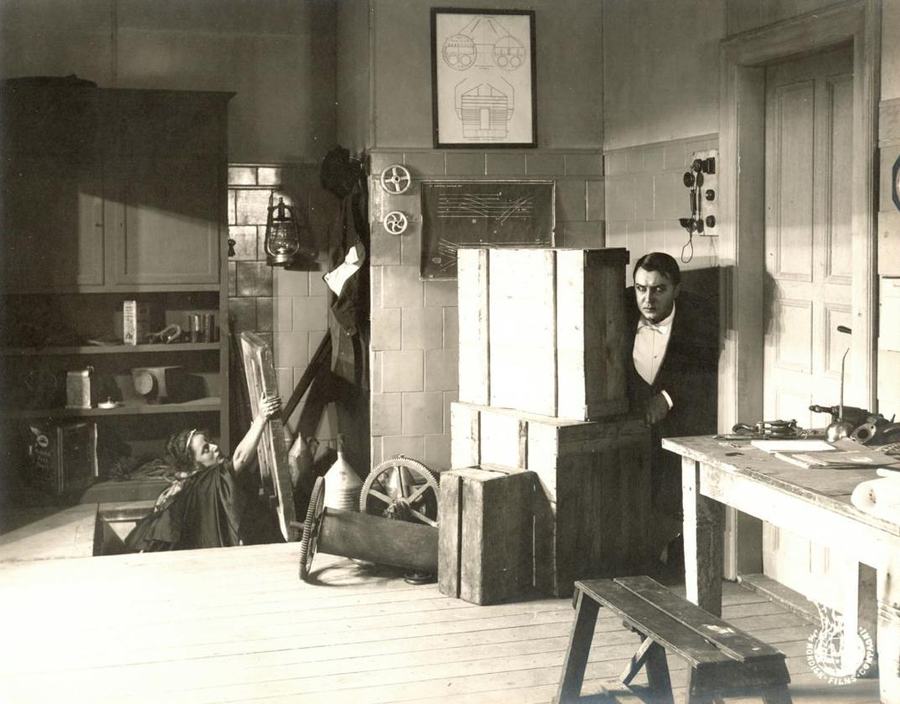
Furthermore, the film masterfully scrutinizes the concept of appearance versus reality. Berner’s life is a meticulously constructed facade, and Agnes’s plan is designed to maintain this illusion of solvency, even as their actual world crumbles. This theme, of keeping up appearances regardless of the internal chaos, is a classic dramatic trope that speaks to the pressures of societal judgment and the fear of social ostracization. The intricate web of deception woven by Agnes for the sake of her family’s reputation and financial survival is reminiscent of the convoluted plots found in films like The Blind Adventure or The Masked Motive, where hidden agendas and secret plans drive the narrative forward, often with unforeseen consequences.
The ensemble cast of "Kammerpigen" delivers performances that are both understated and profoundly expressive, a hallmark of the best silent cinema. Robert Dinesen, as Berner, conveys the internal torment of a man watching his life’s work disintegrate through subtle shifts in posture and a haunted look in his eyes. His portrayal avoids theatricality, opting instead for a quiet desperation that makes his character deeply sympathetic despite his predicament.
Vibeke Krøyer, as Agnes, is the emotional anchor of the film. Her transformation from a seemingly naive daughter to a shrewd strategist is captivating. Krøyer uses her entire physicality to communicate Agnes’s burgeoning resolve, her fear, and ultimately, her determination. Her scenes with Johanne Krum-Hunderup, as Grethe, are particularly well-executed, highlighting the power imbalance without resorting to overt melodrama. Krøyer’s ability to convey complex emotions without uttering a single word is a testament to her skill as a silent film actress.
Johanne Krum-Hunderup's portrayal of Grethe is equally compelling. She imbues the character with a vulnerability and innocence that makes her exploitation all the more tragic. Grethe is not a mere plot device; she is a fully realized character whose quiet dignity and eventual entanglement in Agnes’s scheme underscore the film's commentary on social class and the often-unseen sacrifices of the working class. The supporting cast, including Sophus Bernhard, Oscar Nielsen, Ebba Lorentzen, Frederik Jacobsen, Ingeborg Spangsfeldt, and Aage Hertel, contribute to a rich tapestry of characters, each adding layers to the film's social landscape and emotional depth.
Hortense Laus's screenplay is a remarkable achievement, constructing a narrative that is tight, engaging, and emotionally profound, all while adhering to the constraints of the silent medium. Laus understands that in silent film, every visual cue must carry the weight of dialogue, and she crafts a story where character motivations are clear, even when their actions are morally ambiguous. The pacing is deliberate, allowing the audience to absorb the emotional gravity of each scene, building tension incrementally rather than through explosive dramatic outbursts.
The cinematography, though perhaps rudimentary by modern standards, is incredibly effective. The use of natural light, the careful composition of shots, and the subtle movements of the camera (or lack thereof) all contribute to the film’s atmosphere. There’s a particular emphasis on facial expressions and body language, which become the primary vehicles for emotion. The visual language of "Kammerpigen" is direct and powerful, conveying fear, hope, desperation, and cunning with remarkable clarity. This visual acuity is a characteristic shared by many silent films of the era that focused on psychological realism, much like the intricate character studies found in films such as Ein seltsames Gemälde, where visual clues and subtle acting are paramount to understanding the underlying narrative.
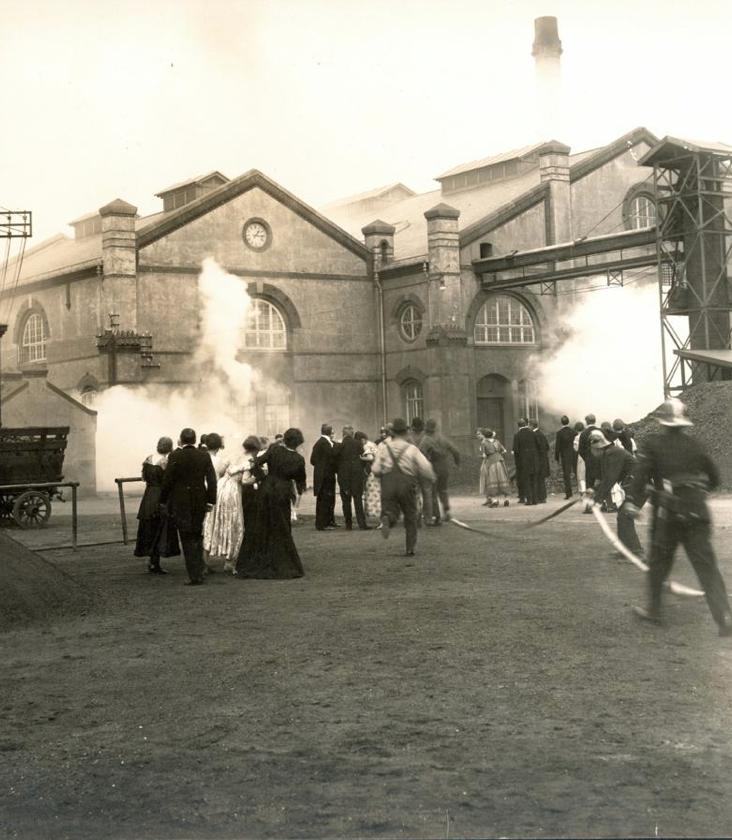
The film’s setting, likely Copenhagen or another bustling Danish city, provides a backdrop of both modernity and stark class divisions. The contrast between the lavish interiors of Berner’s home and the implied humble existence of Grethe is a silent commentary on the social strata. The production design, while not overtly extravagant, is meticulously detailed, grounding the narrative in a believable reality. This attention to detail in setting and atmosphere is crucial for a silent film, as it helps to immerse the audience in the world of the characters without the aid of spoken dialogue.
"Kammerpigen" is more than just a historical artifact; it is a film that speaks to universal human experiences. The fear of financial ruin, the lengths to which individuals will go to protect their loved ones, and the moral quandaries that arise in desperate situations are timeless themes. The film’s nuanced portrayal of its characters, particularly Agnes, who is neither wholly villain nor pure heroine, allows for a rich and complex viewing experience. Her actions are born of necessity, forcing the audience to grapple with the ethics of survival and the gray areas of human morality. This exploration of moral ambiguity is a strength, setting it apart from more simplistic melodramas of its time.
In the broader context of Danish silent cinema, "Kammerpigen" holds a significant place. It showcases the industry's ability to produce sophisticated dramas that rivaled those from other European powerhouses. While films like The Frozen Warning or Le ravin sans fond might explore different genres or narrative structures, "Kammerpigen" stands as a prime example of the Danish proficiency in crafting compelling social dramas with psychological depth. It avoids the overt sensationalism sometimes found in contemporary American productions like A Broadway Scandal, preferring a more introspective and character-driven approach.
The film’s enduring power lies in its ability to provoke thought and stimulate discussion about the ethical boundaries one might cross when faced with the collapse of one's world. It doesn't offer easy answers or clear-cut heroes and villains. Instead, it presents a human drama, raw and unvarnished, where desperation drives actions that challenge conventional morality. The silent nature of the film paradoxically amplifies its emotional impact, forcing the viewer to engage more actively with the visual cues and infer the characters' inner turmoil. This active engagement makes for a deeply immersive and unforgettable cinematic journey.
Ultimately, "Kammerpigen" is a powerful reminder of the enduring artistry of silent film and its capacity to tell complex, emotionally resonant stories. It’s a film that deserves to be rediscovered and appreciated not just as a historical document, but as a compelling piece of dramatic cinema that speaks to the very heart of the human condition, exploring the intricate dance between survival, sacrifice, and the often-unseen costs of maintaining societal facades. Its narrative, though set in a specific historical context, transcends time, offering timeless insights into the human spirit's resilience and its capacity for both great ingenuity and profound moral compromise.
The final moments of the film, without revealing specific plot points, leave a lasting impression, forcing the audience to ponder the ultimate consequences of Agnes’s intricate plan and the fate of all involved, especially the innocent Grethe. It's a conclusion that reinforces the film's commitment to portraying the complexities of life rather than offering simplistic resolutions. This narrative sophistication, coupled with the compelling performances and Hortense Laus's incisive writing, solidifies "Kammerpigen" as a significant work that continues to provoke and captivate, a true testament to the golden age of silent cinema.
IMDb —
1934
Community
Log in to comment.