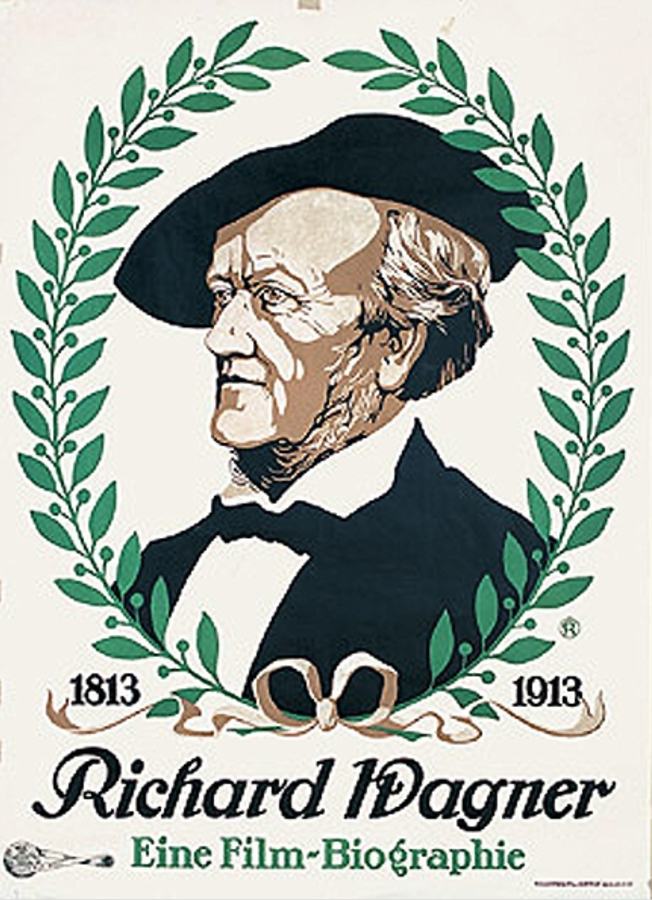
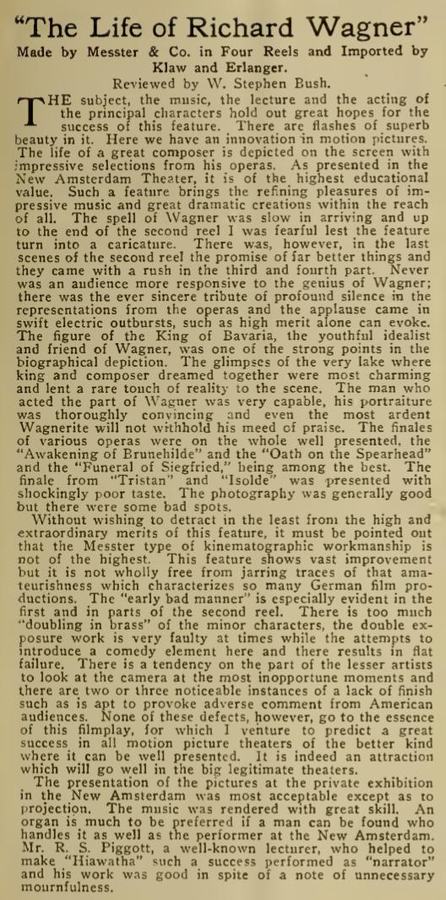
The story of the great German composer, from his childhood through his great triumphs in orchestral and operatic music..
William Wauer
Germany
Imagine a film that hears colour and sees harmony—a 1913 fever-dream in which the cosmos itself seems to overture. William Wauer’s The Life of Richard Wagner arrives like a missing reel from an alternate history of cinema, one where celluloid was invented not to photograph horses but to trap chord progressions in mi...
publicity
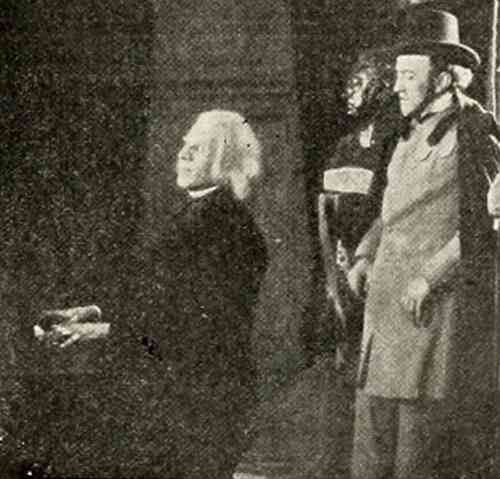
still_frame
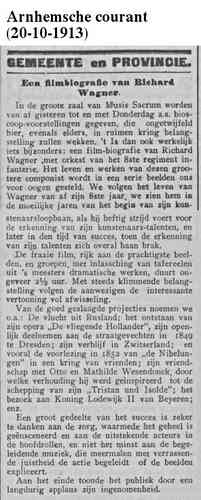
publicity

publicity
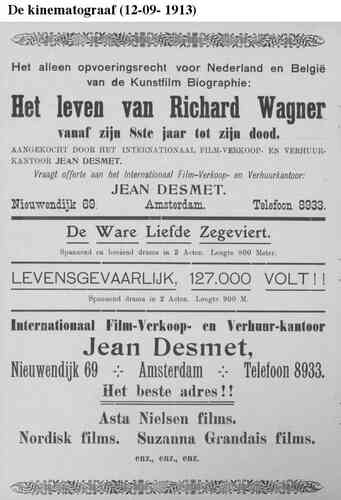
publicity
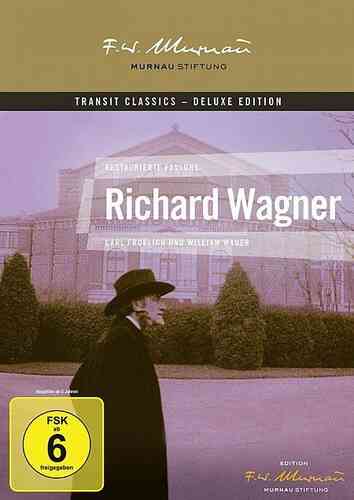
product
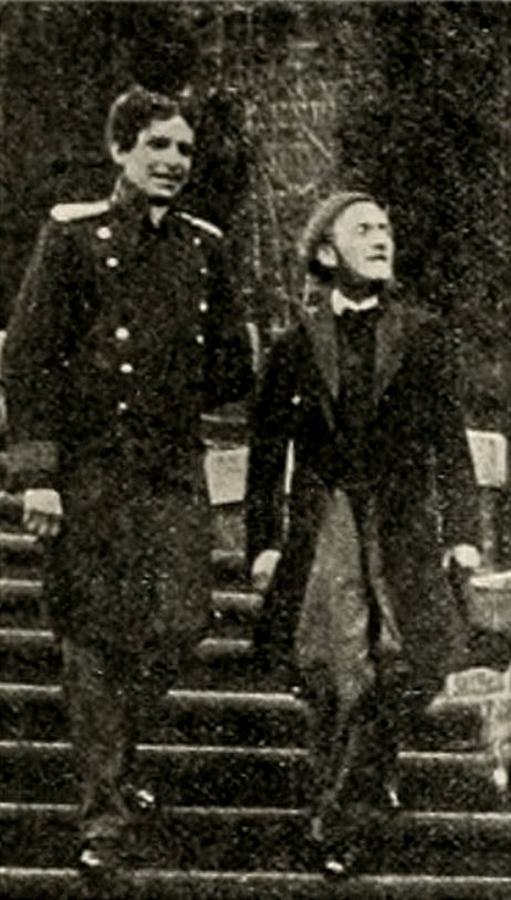
still_frame
Comparing the cinematic DNA and archive impact of two defining moments in cult history.
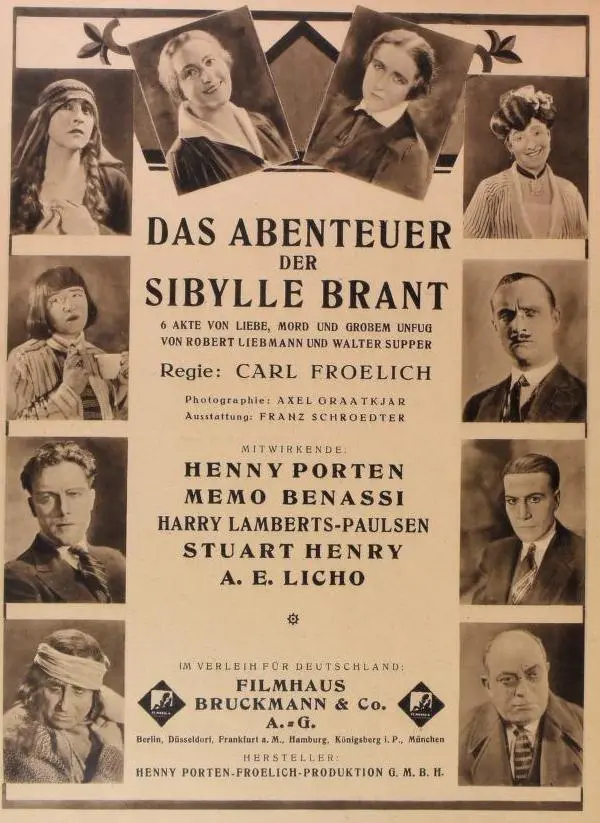
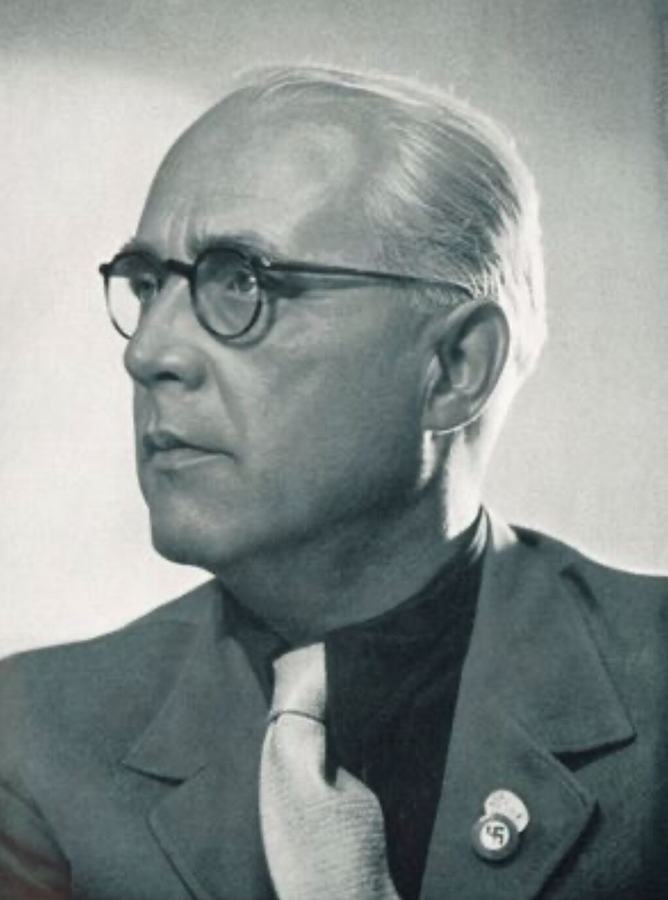
Carl Froelich
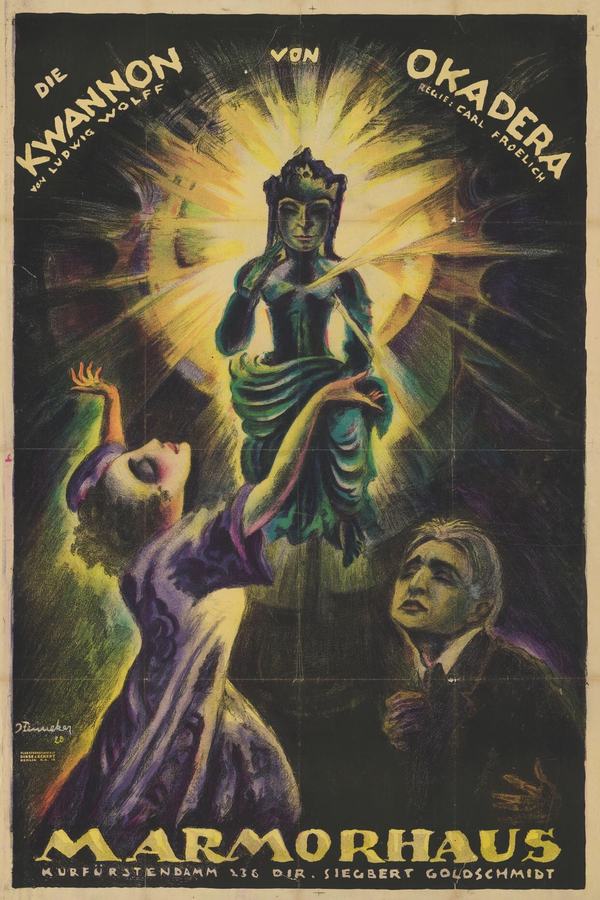
Carl Froelich
Community
Log in to comment.
" Imagine a film that hears colour and sees harmony—a 1913 fever-dream in which the cosmos itself seems to overture. William Wauer’s The Life of Richard Wagner arrives like a missing reel from an alternate history of cinema, one where celluloid was invented not to photograph horses but to trap chord progressions in mid-air. The result is an intoxicating paradox: a silent movie about a man who re-invented the loudness of the world. A Visual Score in Twelve Movements Forget linear chronology; W..."

Deep dive into the cult classic
Discover similar cinematic experiences
A Directorial Spotlight on Carl Froelich