DbcultAccessing Vault...
Cult Review
Senior Film Conservator

In the Name of Love, a cinematic endeavor from 1925, presents a labyrinthine exploration of love, revenge, and the societal hierarchies that govern our lives. Directed by a visionary filmmaker, this movie catapults the viewer into a world where the pursuit of love and social standing are inextricably linked, often with devastating consequences.
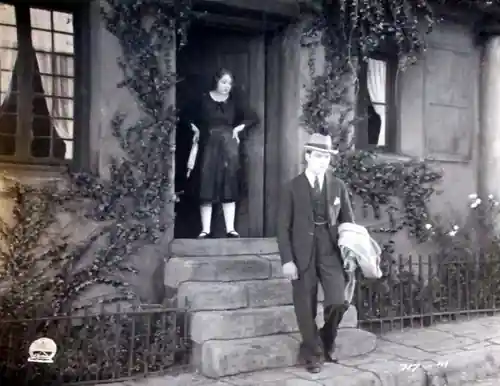
The narrative centers around a gentleman who, after an extended absence, returns to his native province in France. His homecoming is motivated by a desire to reconnect with his childhood sweetheart, who, in his recollections, was the epitome of innocence and charm. However, upon his arrival, he is disillusioned to discover that his sweetheart has evolved into a socially ambitious and decidedly spoiled individual. This transformation serves as a catalyst for a series of events that are as deliciously revengeful as they are poignant.

Aligning himself with two other suitors who have also been spurned by the capricious object of their affections, the gentleman concocts an elaborate plan of revenge. This alliance, forged in the fires of disappointment and heartache, sets the stage for a nuanced exploration of the human condition, where the protagonists' actions are motivated by a complex interplay of emotions, including love, pride, and a thirst for retribution.

As the story unfolds, the viewer is treated to a rich tapestry of characters, each with their own distinct narrative arc. The film's cast, including Raymond Hatton, Greta Nissen, and Wallace Beery, deliver performances that breathe life into their respective characters, imbuing the narrative with a depth and authenticity that is nothing short of captivating.
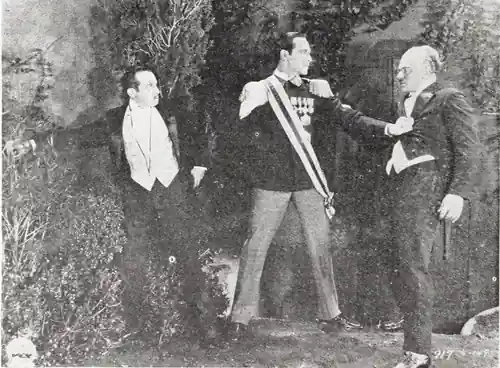
One of the most striking aspects of In the Name of Love is its incisive commentary on social class and the manner in which it dictates the terms of our existence. The film pulls no punches in its portrayal of a society where social standing is paramount, and the consequences of deviating from these norms are severe. This theme is reminiscent of other films of the era, such as Youth to Youth and Heart of Gold, which also explored the complexities of social class and personal identity.
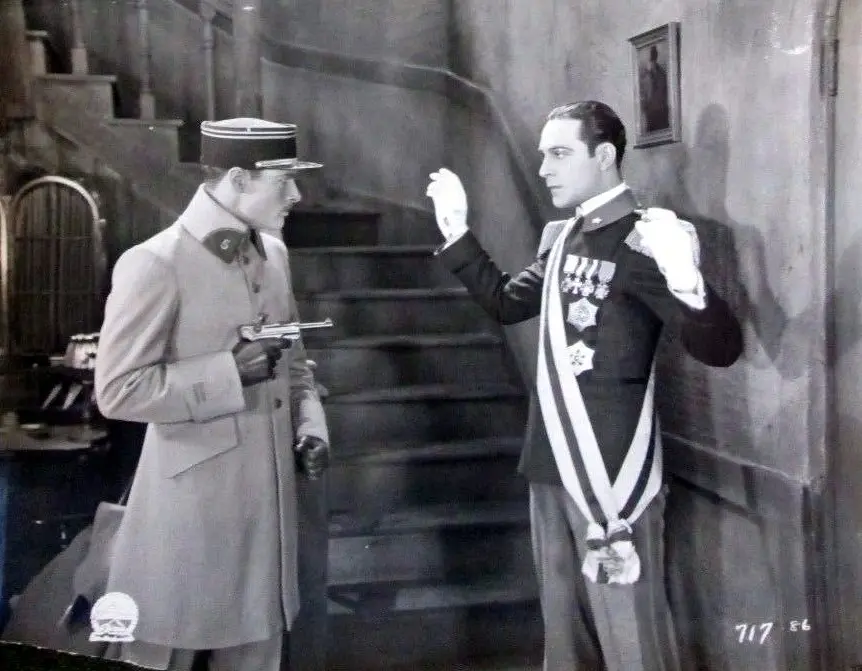
The cinematography in In the Name of Love is equally noteworthy, with a visual aesthetic that evokes a bygone era. The film's use of lighting, composition, and color creates a moody and atmospheric setting that perfectly complements the narrative's themes of love, revenge, and social commentary.
In comparison to other films of the era, such as Pay Me! and Madeleine de Verchères, In the Name of Love stands out for its nuanced exploration of the human condition. While these films may touch on similar themes, they often do so in a more superficial manner. In contrast, In the Name of Love presents a richly textured and deeply human exploration of love, revenge, and social class.
The film's exploration of revenge, in particular, is a masterclass in narrative storytelling. The manner in which the gentleman and his cohorts orchestrate their revenge is both deliciously devious and thought-provoking, raising important questions about the nature of justice and the consequences of our actions.
In conclusion, In the Name of Love is a cinematic treasure that offers a richly rewarding viewing experience. With its nuanced exploration of the human condition, incisive social commentary, and deliciously revengeful plot, this film is a must-see for anyone interested in exploring the complexities of love, revenge, and social class. For those interested in exploring similar themes, I would recommend checking out Tin Knights in a Hallroom and Once a Plumber, which offer complementary perspectives on the human condition.
IMDb 5.5
1935
Community
Log in to comment.