DbcultAccessing Vault...
5.9/10
Senior Film Conservator
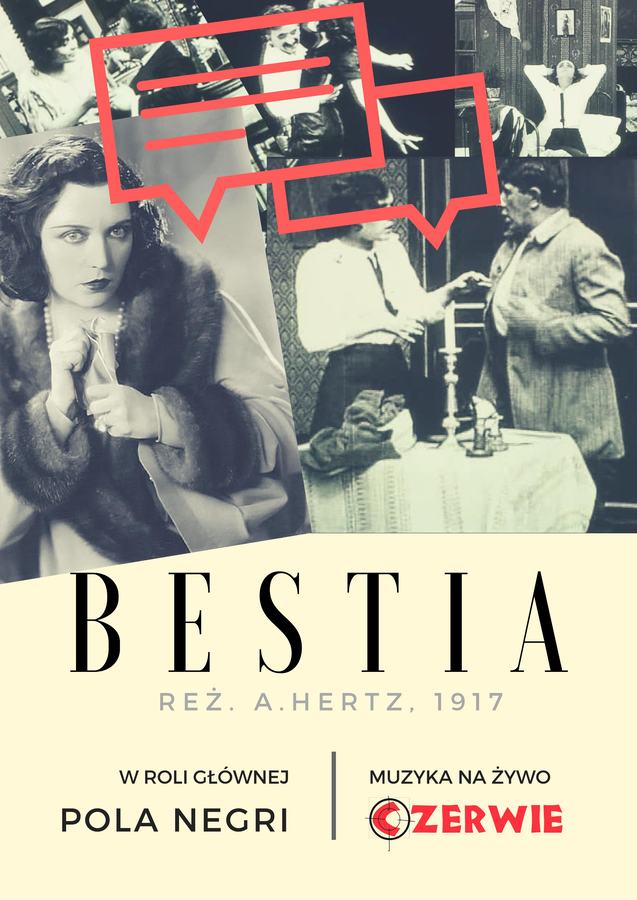
A definitive 5.9/10 rating for a film that redefined the boundaries of cult cinema. The Polish Dancer remains a cornerstone of transgressive art.
The cinematic landscape of early 20th-century Poland, often overlooked in the grander narratives of European cinema, occasionally yields a gem whose luminescence transcends its historical obscurity. The Polish Dancer, a silent film directed by Aleksander Hertz, stands as a captivating testament to the era's burgeoning artistry and its fascination with the shifting moral compass of a rapidly modernizing society. Released at a time when cinema was still finding its voice, both literally and figuratively, this production offers a compelling window into the anxieties and aspirations that defined a generation. It is a narrative steeped in the raw ambition and unvarnished opportunism that characterized the journey from provincial life to the glittering, yet often corrupting, embrace of the metropolis.
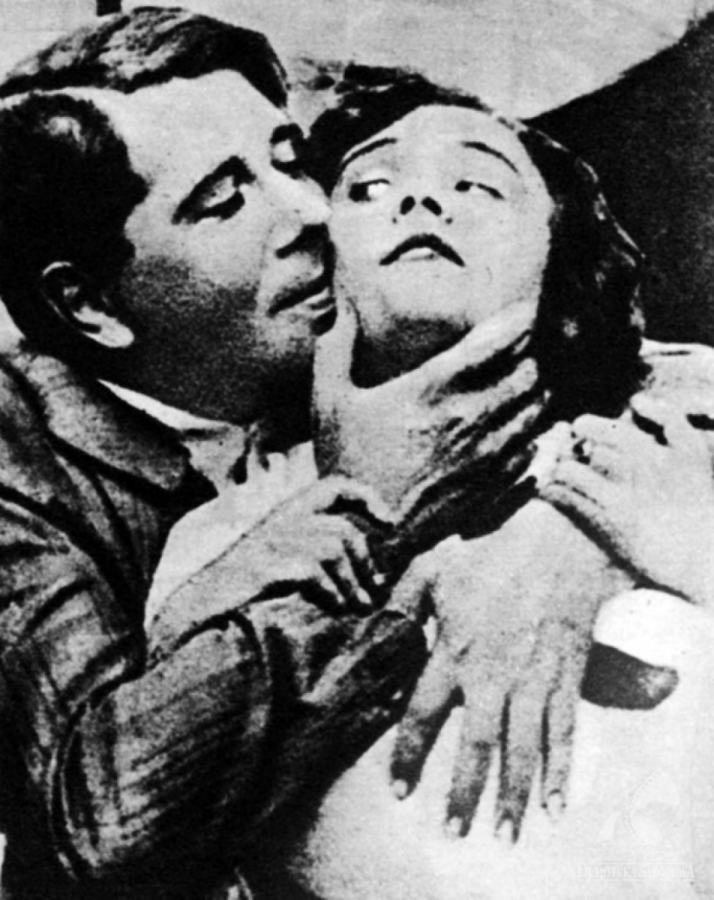
At its core, The Polish Dancer unfolds as a stark, almost cautionary, tale of a young woman's relentless ascent. Our protagonist, portrayed with magnetic intensity by Maria Duleba, begins her journey mired in the stifling anonymity of a small town. Here, life offers little beyond the mundane and the predictable, a fate she fiercely resists. Her initial circumstances are painted with a sense of quiet desperation, hinting at a spirit too vibrant for its meager surroundings. The catalyst for her dramatic transformation arrives in the form of a tipsy admirer, a man whose inebriated state renders him an unwitting mark. In a decisive act of self-preservation, or perhaps, pure ambition, she seizes her opportunity, pilfering his funds – a morally ambiguous act that nevertheless propels her towards a destiny far grander than her village could ever conceive. This initial transgression sets the tone for her subsequent choices, establishing her as a character willing to bend, if not outright break, societal norms in pursuit of her desires. It’s a moment that resonates with the bold, uncompromising spirit seen in characters from films like Rose of the Alley, where individuals navigate harsh realities with a blend of resilience and moral flexibility.
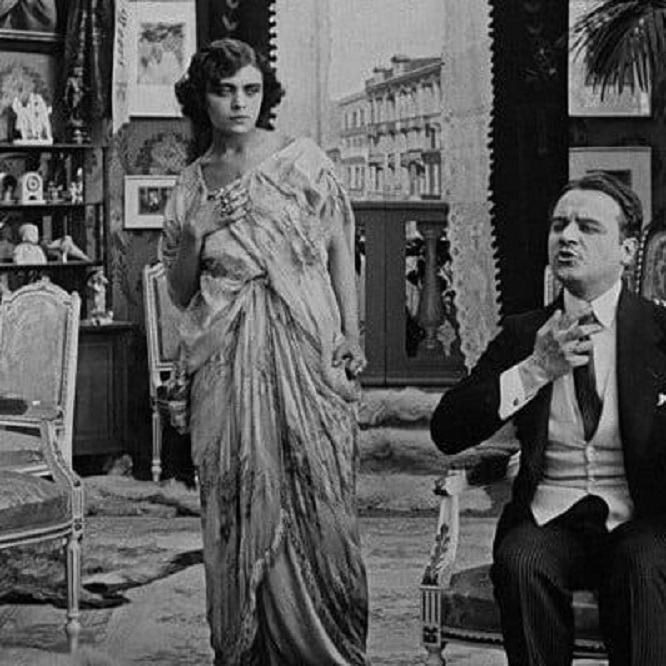
Arriving in the bustling anonymity of the big city, our heroine undergoes a profound metamorphosis. The provincial girl sheds her skin, embracing the vibrant energy and myriad opportunities that urban life presents. It is here that her latent talents for performance come to the fore, finding their perfect stage in the dazzling, if somewhat illicit, world of the cabaret. The film masterfully depicts her evolution into a captivating cabaret star, a creature of the night whose allure is undeniable. Her performances are not merely acts; they are expressions of a newfound freedom and power, each movement a testament to her calculated charm and innate charisma. The cabaret becomes her sanctuary and her weapon, a place where she can command attention and exert influence. This section of the film is particularly visually rich, contrasting the drabness of her past with the opulent, glittering world she now inhabits. The transformation is not just external; it speaks to an internal shift, an awakening of a self-possessed woman who understands the currency of her own appeal.
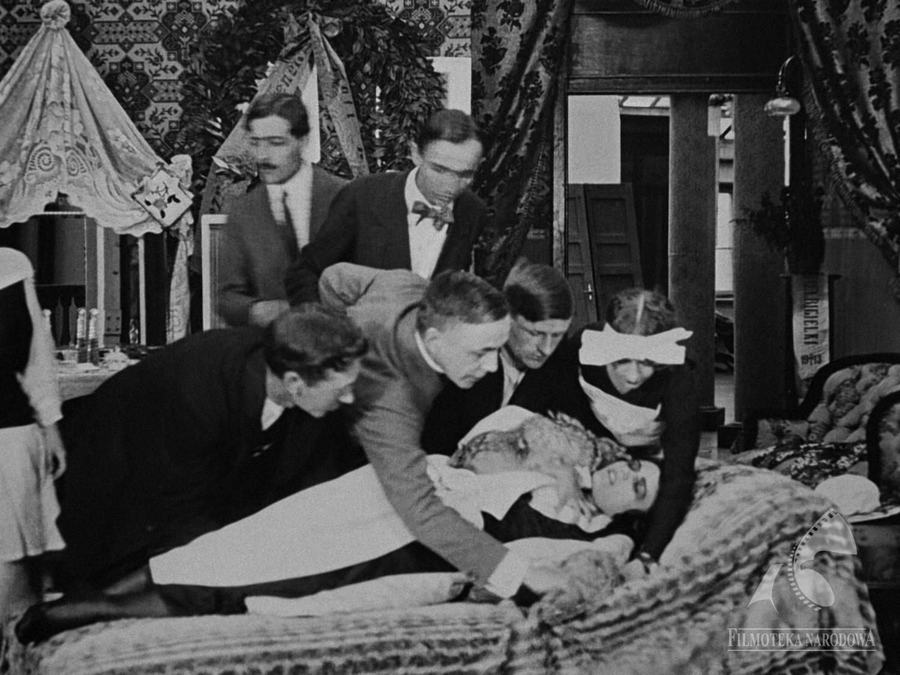
Her ascent culminates in a calculated seduction, targeting a wealthy, married entrepreneur. This is no impulsive romance but a strategic maneuver, a chess game played with hearts and fortunes. The film subtly, yet powerfully, explores the transactional nature of relationships in a society where status and wealth often dictated one's place. The entrepreneur, drawn into her orbit, becomes another stepping stone, a means to solidify her position in the upper echelons of society. Maria Duleba's portrayal here is nuanced; she conveys both the vulnerability of a woman striving for security and the steely resolve of one who will stop at nothing to achieve it. This narrative thread brings to mind the intricate power dynamics explored in films like The Taint, where societal pressures and personal desires often clash with devastating consequences. The film dares to confront the uncomfortable truth that ambition, particularly for women in that era, often necessitated compromises that challenged conventional morality.
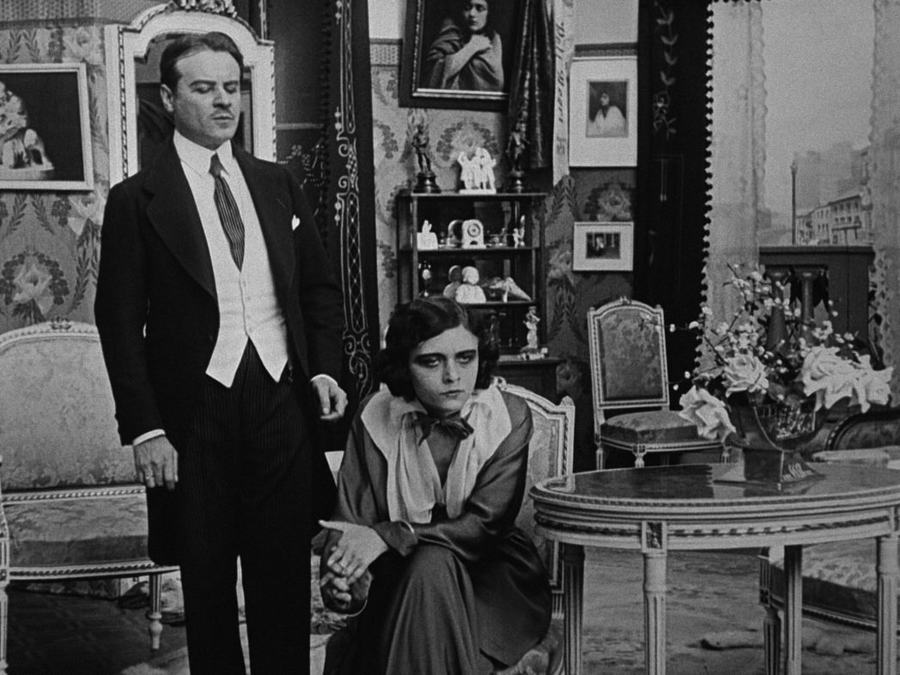
The ensemble cast surrounding Maria Duleba contributes significantly to the film's texture. Aleksander Sobiszewski, often cast in roles demanding gravitas, likely embodies the drunk lover, a figure of initial pathos and eventual abandonment. His performance, even if brief, would have needed to convey the weakness that our protagonist exploits, making her decision understandable, if not entirely justifiable. Witold Kuncewicz and Jan Pawlowski, seasoned actors of the time, likely fill out the supporting roles that populate both the small town and the bustling city, providing the societal backdrop against which our heroine's drama unfolds. Their presence grounds the narrative, making the world feel lived-in and authentic. The mention of Lya Mara and Pola Negri is particularly intriguing, suggesting that perhaps these iconic actresses, known for their powerful on-screen presence and international careers, might have had cameo appearances or uncredited roles, or perhaps were considered for the lead at various stages. If they were indeed involved, even in smaller capacities, their contributions would have undoubtedly added a layer of star power and dramatic weight, elevating the film's profile. Negri, especially, with her reputation for playing strong, often morally ambiguous women, would have brought a similar intensity to the screen, echoing the themes of female agency and ambition.
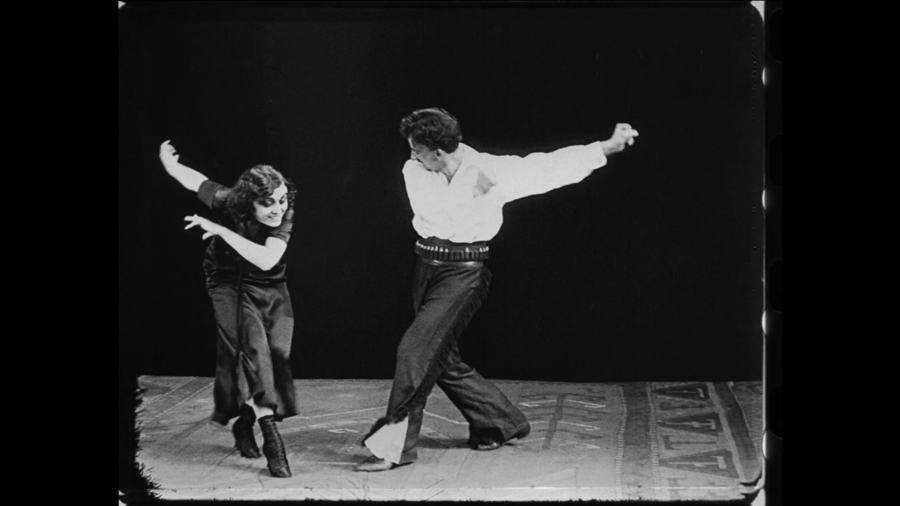
Under the direction of Aleksander Hertz, The Polish Dancer showcases a keen understanding of silent cinema's unique power of visual storytelling. Without the crutch of dialogue, Hertz relies heavily on expressive performances, evocative set designs, and a dynamic use of cinematography to convey narrative and emotion. The stark contrast between the rural and urban environments is likely emphasized through lighting and framing, with the former perhaps depicted in more subdued tones and the latter bursting with artificial light and frenetic energy. The close-ups on Maria Duleba's face would have been crucial, allowing audiences to glimpse the inner turmoil and calculating intelligence behind her dazzling exterior. The pacing, too, would have been carefully orchestrated, building tension during her initial act of theft and accelerating with her rise to stardom, before settling into the more deliberate dance of seduction. Hertz, a prolific figure in early Polish cinema, demonstrates here his ability to craft a compelling narrative that transcends the limitations of its medium, drawing viewers into a world of complex moral choices and intoxicating ambition. His work here aligns with the progressive storytelling seen in other European silent films that focused on social realism and psychological depth.
Thematic resonance is where The Polish Dancer truly shines. It is a profound exploration of ambition, social mobility, and the sacrifices demanded by the pursuit of success. The protagonist's journey from a provincial background to a metropolitan star reflects broader societal shifts occurring in Europe during this period, as populations migrated from rural areas to burgeoning industrial and cultural centers. This transition often brought with it a loosening of traditional moral strictures and the emergence of new opportunities, particularly for women. The film delves into the concept of female agency, presenting a woman who is not merely a passive object of desire but an active agent of her own destiny, even if that destiny is forged through questionable means. Her choices, though ethically dubious, are presented as a consequence of her environment and her unyielding will to escape a predetermined, undesirable fate. This theme of a woman carving her own path, often against formidable odds, echoes in films like A Girl of Yesterday, which similarly grappled with evolving gender roles and aspirations.
Furthermore, the film subtly critiques the hypocrisy of a society that simultaneously condemns immoral behavior while being captivated by its glamorous manifestations. The cabaret, a place of both artistic expression and moral ambiguity, serves as a powerful metaphor for the city itself – a place of dazzling opportunity that can also corrupt and consume. The wealthy entrepreneur, seduced by the dancer's charm, represents the established order, whose moral fiber is shown to be just as susceptible to temptation as anyone else's. The film doesn't offer easy answers or clear-cut heroes and villains; instead, it presents a complex tableau of human desires and compromises. This nuanced approach to character and morality adds significant depth, elevating it beyond a simple melodrama to a more thoughtful social commentary, reminiscent of the intricate moral dilemmas presented in The Enemy or The Juggernaut, where individuals often find themselves caught in the gears of larger societal forces.
The visual language of The Polish Dancer is another area deserving of particular commendation. Hertz, as a director, understood the power of the frame, using it to isolate his protagonist, highlight her vulnerability, and then amplify her newfound power. The contrast between the confined, perhaps shadowed spaces of her early life and the expansive, brightly lit stages of the cabaret would have been deliberate. This visual dichotomy reinforces the narrative of her journey from obscurity to prominence. The costumes, likely opulent and meticulously designed for the cabaret scenes, would have played a crucial role in defining her character's transformation, marking her shift from plainness to dazzling sophistication. Such attention to detail in production design and costuming was a hallmark of quality silent film, aiming to immerse the audience entirely in the visual spectacle. The film's aesthetic choices contribute significantly to its lasting impact, ensuring that its story is not just told but felt, experienced through a rich tapestry of imagery. The use of innovative camera work for the era, perhaps with tracking shots or dynamic editing, would have further enhanced the feeling of forward momentum that defines the dancer's ambition.
In the pantheon of Polish silent cinema, The Polish Dancer holds a significant, if sometimes understated, position. It represents a bold step in narrative complexity and character development for its time. While some early films focused on simpler morality plays or spectacles, The Polish Dancer delves into the psychological motivations behind its protagonist's actions, making her a compelling, if morally ambiguous, figure. Its influence, though perhaps not as widely documented as some Western European or American contemporaries, lies in its contribution to establishing a distinct voice for Polish filmmaking. It demonstrated that Polish studios could produce sophisticated dramas that resonated with universal themes of ambition, desire, and the human cost of striving for more. The film stands as a crucial piece of cultural heritage, offering insights into the social fabric and artistic aspirations of a nation on the cusp of significant change. Its enduring appeal lies in its timeless portrayal of a woman determined to forge her own path, irrespective of the societal judgments or personal compromises required. It is a reminder that even in the silent era, cinema was capable of speaking volumes about the human condition.
Ultimately, The Polish Dancer is more than just a historical artifact; it is a vibrant, thought-provoking piece of cinematic art that continues to engage audiences with its powerful narrative and memorable performances. Maria Duleba's portrayal of the ambitious, unyielding protagonist remains a tour de force, embodying the spirit of a woman who refuses to be confined by circumstance. Aleksander Hertz's direction ensures that the story is told with both visual flair and emotional depth, making every frame count. For enthusiasts of silent cinema, or anyone interested in the complex tapestry of human ambition, this film offers a fascinating and richly rewarding experience. It serves as a powerful reminder of the enduring power of early cinema to capture the essence of human drama with an elegance and intensity that still resonates today. Its exploration of themes like moral ambiguity, the intoxicating allure of the city, and the lengths to which individuals will go for self-determination feels remarkably contemporary, proving that truly great storytelling transcends the limitations of its era.
IMDb —
1918
Community
Log in to comment.