DbcultAccessing Vault...
6.7/10
Senior Film Conservator
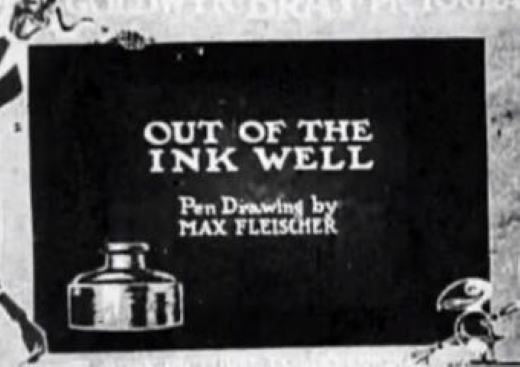
A definitive 6.7/10 rating for a film that redefined the boundaries of cult cinema. Out of the Inkwell remains a cornerstone of transgressive art.
Stepping into the world of Out of the Inkwell is akin to witnessing the very genesis of cinematic magic. It's not just a film; it's a foundational tremor in the edifice of animation, a bold declaration of what the moving image could become. Dave Fleischer, with an understated brilliance, didn't just animate; he conjured, he brought forth a character, Koko the Clown, from the ether of pure imagination and then daringly, provocatively, allowed him to breach the fourth wall, to cavort and contend with the tangible world of his creator. This series, a marvel of early 20th-century filmmaking, stands as a testament to the audacious spirit of innovation that characterized the nascent days of cinema, a period where every frame felt like a discovery, every technique a revelation.
The brilliance of Out of the Inkwell lies in its revolutionary use of rotoscoping, a technique patented by Max Fleischer himself. This wasn't merely tracing over live-action footage; it was an alchemical process that imbued hand-drawn figures with an unprecedented fluidity and naturalism of movement. Before Koko could defy gravity or morph into fantastical shapes, his initial movements were often rooted in the observable physics of human motion, lending him a peculiar, almost uncanny realism that contrasted sharply with his ink-and-paper origins. This meticulous attention to detail, this pursuit of a new form of visual verisimilitude, sets the Fleischer Studios apart, even in an era brimming with inventive animators. It was a painstaking method, demanding precision and patience, yet the results were undeniably captivating, creating a character whose very essence was a playful paradox – a drawn entity that moved with the conviction of a living being.
Koko the Clown himself is a character of enduring fascination. He is not merely a protagonist; he is a concept made manifest. His existence is a perpetual negotiation between the flat plane of the drawing and the three-dimensional space of the animator's desk. Koko is rebellious, mischievous, and possesses a nascent sentience that allows him to challenge his creator, Dave Fleischer, in delightful, often exasperating ways. He might refuse to perform a trick, demand a different prop, or even attempt to redraw himself, asserting an autonomy that transcends his ink-and-paper reality. This meta-narrative, where the act of creation is part of the story, was profoundly ahead of its time, inviting audiences to ponder the very nature of authorship and artistic control. It’s a sophisticated layer of humor that elevates the simple sight gags into something more profound, a commentary on the artist's eternal struggle and joy in bringing imagination to life.
The interplay between the live-action Dave Fleischer and the animated Koko is the series' undeniable centerpiece. It’s a seamless, often bewildering, fusion of mediums that predates much of what we now take for granted in special effects. The hand that draws Koko suddenly becomes the hand that interacts with him, that tries to guide him, or that Koko himself manipulates. This direct engagement, this tangible connection between the creator and the created, fosters an intimacy with the audience, pulling them into the whimsical conceit. It makes the impossible seem not just plausible, but utterly charming. The visual gags, though simple by today's standards, are executed with an ingenious wit, relying on the inherent humor of juxtaposition: a two-dimensional character trying to escape a three-dimensional bottle, or a drawn object suddenly acquiring weight and texture. Each short film is a miniature masterclass in visual storytelling, a testament to the power of imagination unfettered by conventional constraints.
The Fleischer Studios, under the guidance of Max and Dave Fleischer, cultivated a distinct aesthetic that stood in stark contrast to their contemporary, Walt Disney. While Disney pursued a polished, idealized vision, the Fleischers embraced a grittier, more urban, and often surreal sensibility. Their animation, while technically precise, retained a certain hand-drawn charm, a visible texture of ink on celluloid that gave it a unique character. This raw, almost improvisational feel is palpable in Out of the Inkwell, reflecting a spirit of playful experimentation rather than rigid adherence to formula. They weren't just telling stories; they were exploring the medium itself, pushing its boundaries with every frame. This pioneering spirit is what truly makes these early works endure, not just as historical artifacts, but as vibrant, engaging pieces of art.
Reflecting on Out of the Inkwell within the broader context of early cinema reveals its profound significance. While the silent era was rife with innovation across all genres, from the grand historical epics to intimate melodramas, the Fleischer brothers were carving out an entirely new niche, demonstrating that the camera could capture not just reality, but also the most fantastical imaginings. Consider the dramatic intensity and intricate narratives found in films like The Christian or Virtuous Wives. These films sought to immerse audiences in compelling human dramas, often through elaborate sets and emotive performances. In a parallel, yet distinctly different, vein, the Fleischer shorts aimed to immerse viewers in a world where the laws of physics were merely suggestions, a realm dictated by the artist’s pen. Both approaches, though divergent in subject matter, shared a common goal: to transport the audience, to evoke wonder, and to expand the very definition of what cinema could achieve.
The ingenious special effects of the live-action/animation hybrid in Out of the Inkwell can be seen as a precursor to the intricate practical effects and visual trickery employed in other silent films. While Professor Nissens seltsamer Tod might have relied on clever editing and stagecraft to create its macabre atmosphere, or Blind Man's Luck on compelling narrative twists to maintain suspense, the Fleischer shorts achieved their sense of wonder through the seamless integration of two distinct realities. This blending of worlds, the suspension of disbelief required for Koko to jump off the page and interact with a real pen, is a form of cinematic magic that resonates with the fantastical elements found in much of early filmmaking. The craftsmanship, whether it's Fleischer's painstaking rotoscoping or the meticulous set design in a drama like Strathmore, speaks to a shared dedication to illusion and artistry.
Moreover, the sheer inventiveness of the Fleischer brothers in crafting Koko's world, a world where the rules are constantly being rewritten by the whim of the animator and the impish spirit of the character, reflects a broader cultural fascination with the limits of perception and reality. This playful deconstruction of the cinematic apparatus finds echoes, albeit in vastly different thematic territories, within other films of the period. For instance, the exploration of human psychology and moral dilemmas in a film like The Lonely Woman or the epic scope of human struggle in Remorse, a Story of the Red Plague, both represent ambitious attempts to push the boundaries of storytelling. While one delves into the human condition and the other into pure fantasy, both are products of an era where filmmakers were fearlessly experimenting with the nascent language of cinema, trying to discover its full expressive potential.
The thematic thread of control and rebellion, so central to Koko's interactions with Dave Fleischer, can also be loosely paralleled with narratives of characters striving for agency or freedom in other genres. In Master of His Home, for instance, the protagonist's struggle for dominance or independence within a domestic sphere, however different in tone and context, touches upon the universal human desire for autonomy. Koko, in his animated form, embodies this desire with a lighthearted yet persistent defiance, reminding us that even within the confines of a drawn existence, a spirit can emerge that refuses to be entirely dictated. This abstract connection underscores the idea that cinema, regardless of its form, often grapples with fundamental aspects of existence, whether through overt drama or whimsical caricature.
The sheer joy and ingenuity evident in Out of the Inkwell also speak to the broader entertainment landscape of the era. While audiences might have been captivated by the dramatic tension of The Black Night or the moral lessons embedded in The Habit of Happiness, there was also a profound hunger for novelty and pure, unadulterated fun. Koko provided that in spades, a breath of fresh air that showcased cinema's capacity for boundless creativity beyond traditional narrative structures. The early animation shorts, much like the serialized adventures or slapstick comedies of the period, offered a different kind of escapism, a direct engagement with the playful side of the human imagination. They were short, sharp bursts of invention that left audiences marveling at what they had just witnessed, eager for the next installment of animated antics.
The legacy of Out of the Inkwell is immeasurable. It didn't just entertain; it educated, demonstrating to a nascent film industry the boundless potential of animation as a distinct art form, not merely a novelty. It laid groundwork for future generations of animators and special effects artists, proving that the seemingly impossible could be brought to vibrant, convincing life on screen. The sheer audacity of its concept, the technical prowess of its execution, and the enduring charm of Koko the Clown ensure its place as a cornerstone of cinematic history. Even today, watching these shorts evokes a sense of wonder, a reminder of a time when the medium was young, hungry, and utterly fearless in its pursuit of new horizons.
In an era where films like Tájfun or La loca del monasterio explored intense human emotions and grand narratives, Out of the Inkwell carved its own unique path by exploring the very nature of artistic creation itself. It’s a meta-commentary wrapped in a whimsical package, a profound statement about the power of imagination delivered with a mischievous grin. The fact that these shorts still captivate and inspire speaks volumes about their enduring genius. They are not merely historical curiosities; they are vibrant, pulsating works of art that continue to resonate, proving that true innovation transcends time and genre. The Fleischer brothers didn’t just draw pictures; they drew the future of animation, one rebellious Koko at a time, forever etching their indelible mark into the annals of film history.
The meticulous craftsmanship that went into each frame of Koko's adventures, the patient hand-drawing and the careful integration with live-action, speaks to a dedication to the cinematic art form that was pervasive in the early 20th century. This same dedication, though expressed through different means, can be observed in the detailed historical recreations of a film like The Chosen Prince, or the Friendship of David and Jonathan, or the nuanced character development in Tony America. While the mediums and intentions differ, the underlying commitment to excellence, to pushing the boundaries of what could be shown and felt on screen, unites these disparate works under the umbrella of pioneering cinema. Out of the Inkwell, with its playful defiance of reality, serves as a vivid reminder that the early days of film were a fertile ground for all manner of artistic expression, from the most earnest drama to the most whimsical animated fantasy.
IMDb 4.7
1920
Community
Log in to comment.