DbcultAccessing Vault...
Cult Review
Senior Film Conservator
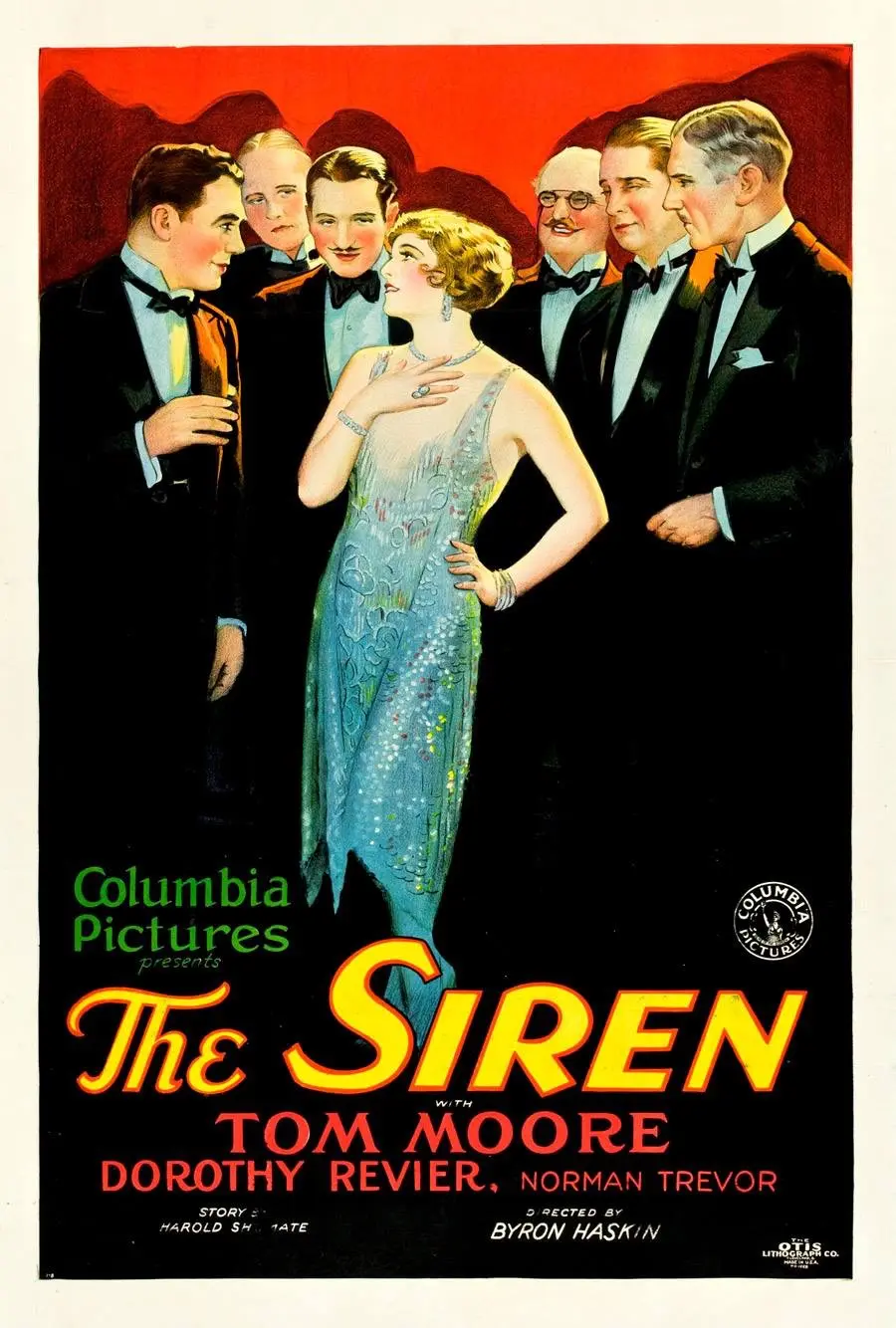
Is 'The Siren (1927)' worth watching today? Short answer: yes, but with significant caveats that demand a certain appreciation for the silent era's unique storytelling cadence. This film is a compelling, if somewhat dated, window into the moral anxieties and societal pressures of the Roaring Twenties, making it a worthwhile watch for cinephiles and historians alike.
However, it is decidedly not for those seeking fast-paced narratives, modern psychological depth, or a purely escapist experience, as its melodrama and visual storytelling require a different kind of engagement.
At nearly a century old, 'The Siren' retains a surprising amount of its original charm and dramatic thrust, particularly for those willing to meet it on its own terms. It is a testament to the power of visual storytelling and the enduring appeal of a classic whodunit, even when stripped of dialogue.
'The Siren' plunges the audience into a world of flappers, high-stakes gambling, and hidden vices, attempting to capture the decadent spirit of the Jazz Age. The film opens with a vibrant, albeit fleeting, depiction of the era's glamour, quickly contrasting it with the grim reality of a murder investigation. This tonal shift is one of its most intriguing aspects, moving from the carefree opulence of Cole Norwood’s illicit casino to the stark, unforgiving environment of a police interrogation room.
The pacing, typical of many silent films, is deliberate. It builds tension not through rapid-fire dialogue or quick cuts, but through lingering shots, expressive intertitles, and the slow unfolding of character reactions. For instance, the initial scenes introducing Glenna Marsh are designed to establish her societal standing and perceived untouchability, making her subsequent arrest all the more shocking and effective. This measured approach allows the audience to absorb the visual details and emotional cues that would later define the narrative's trajectory.
However, this deliberate pacing can also be a double-edged sword. There are moments, particularly in the mid-section as Peter Dane embarks on his investigation, where the narrative momentum ebbs. While essential for character development and plot exposition, these sequences might test the patience of a modern audience accustomed to more immediate gratification. Yet, viewed through the lens of its time, this rhythm was a common and accepted mode of storytelling, allowing for a deeper immersion into the film's emotional landscape.
The film’s tone oscillates between a classic melodrama and a nascent crime procedural. It leans heavily into the dramatic conventions of the era, portraying heightened emotions and clear-cut moral lines. The depiction of high society, while visually appealing, often feels more like a stage backdrop than a truly lived-in world, a common trait in early Hollywood that prioritized spectacle over gritty realism. This isn't necessarily a flaw, but an observational point that speaks to the film's historical context.
One could argue that the film’s social commentary, while present, remains largely on the surface. It hints at the moral decay beneath the glittering surface of the Roaring Twenties but rarely delves into truly complex ethical dilemmas. Instead, it prefers to reinforce traditional notions of justice and virtue, ultimately offering a reassuring, if somewhat simplistic, resolution. This makes 'The Siren' a fascinating artifact for understanding the period's popular morality rather than a profound critique.
In silent cinema, the power of performance rests almost entirely on physical expression and facial nuance. 'The Siren' benefits immensely from its lead actors, who navigate this challenge with varying degrees of success, yet collectively elevate the material.
Dorothy Revier as Glenna Marsh is undoubtedly the film’s emotional anchor. Her portrayal of a high-society woman accused of murder is a masterclass in silent film acting. Revier conveys Glenna's initial shock, her simmering indignation, and her profound vulnerability with striking clarity. There's a particularly poignant scene where, after her arrest, she sits silently in a jail cell. With just a subtle slump of her shoulders and a distant, tear-filled gaze, she communicates a crushing sense of injustice and despair that transcends the lack of dialogue. It’s a performance that manages to be both elegant and raw, making her character's plight genuinely empathetic.
While Revier delivers a commendable performance, one could argue that the film's reliance on her 'damsel in distress' archetype, while effective for its era, feels somewhat reductive today. Her agency is often passive, relying on the male protagonist to prove her innocence, which, while typical for the period, might feel frustrating for a modern viewer.
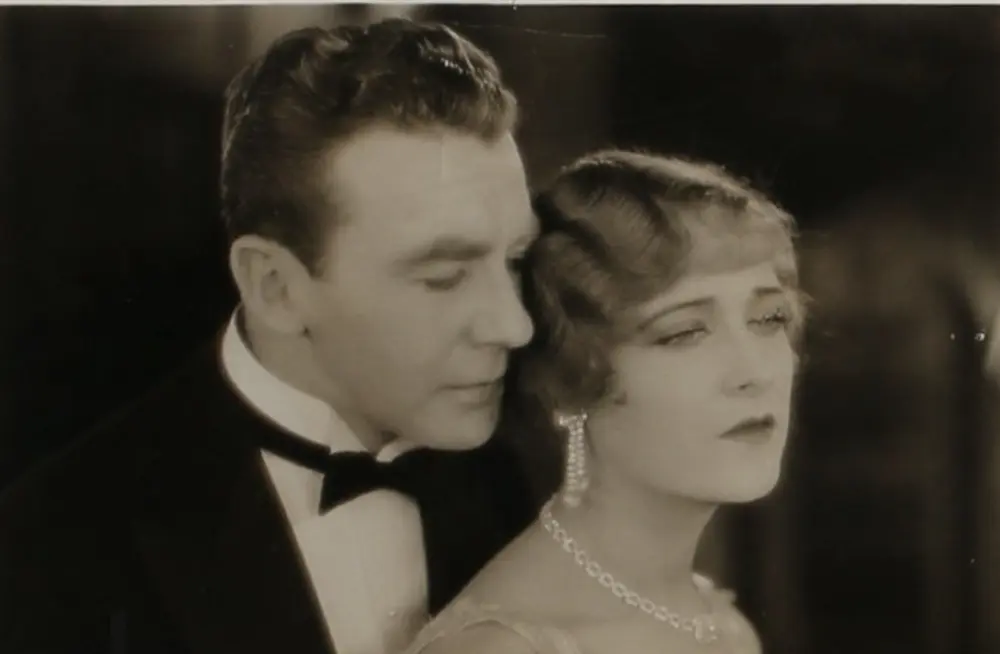
Tom Moore as Peter Dane, the honest casino partner, provides a crucial counterpoint to the film’s more flamboyant characters. Moore embodies a quiet strength and unwavering integrity that is compelling without being overtly theatrical. His performance is characterized by subtle gestures: a steady, determined gaze when questioning a witness, or a firm set of his jaw as he pieces together clues. He's the moral compass of the film, and Moore plays him with a grounded sincerity that feels authentic. He avoids the exaggerated expressions sometimes seen in silent film, opting instead for a more restrained, naturalistic style that makes his character’s heroism feel earned rather than imposed.
Norman Trevor as Cole Norwood, the victim, is effectively loathsome. Though his screen time is limited, Trevor establishes Norwood as a clear antagonist through his sneering expressions, arrogant posture, and predatory demeanor. He is the archetypal villain, designed to be despised, and Trevor fulfills this role with a chilling efficiency that sets the stage for the dramatic conflict. His presence, even in absence after his death, looms large over the narrative, a testament to Trevor's ability to create a memorable impression with minimal resources.
The supporting cast, including Cliff Saum and Jed Prouty, provide solid, if less nuanced, performances. They fill out the world of 'The Siren' with believable, albeit often caricatured, figures from the legal system and the underworld, contributing to the overall period feel without overshadowing the leads.
'The Siren' benefits from competent direction and cinematography that, while not groundbreaking, effectively serves the narrative and enhances its dramatic impact. The director, Byron Haskin (uncredited, but often associated with such visual craftsmanship), understands the power of visual storytelling in the silent medium, using framing and camera movement to convey emotion and plot points.
The cinematography, by Joseph H. August, is particularly noteworthy for its use of lighting. In the casino scenes, soft, atmospheric lighting creates an illusion of glamour and danger, with shadows playing across faces to hint at underlying deceit. Conversely, the police station and courtroom scenes are often rendered in stark, high-contrast lighting, emphasizing the harsh reality and moral clarity (or lack thereof) of the legal process. This deliberate use of light and shadow is crucial in setting the mood and guiding the audience's emotional response.
A compelling example of this is the sequence immediately following Norwood's murder. The camera lingers on a dropped piece of jewelry near the body, a vital clue, framed in a tight shot that draws the viewer’s eye and signals its importance without needing an intertitle. Later, Glenna Marsh is frequently framed in tight close-ups during her interrogation, emphasizing her feeling of entrapment and vulnerability, while wider shots are reserved for moments of action or revealing the broader social context.
The set design, though not overly elaborate, effectively transports the audience to the 1920s. From the opulent, if slightly gaudy, interiors of the casino to the somber, wood-paneled courtroom, each setting feels appropriate for the narrative. The attention to period detail in costumes and props further immerses the viewer, reinforcing the film’s historical authenticity.
One unconventional observation is how 'The Siren' manages to convey a sense of bustling urban life without relying on extensive crowd scenes. Instead, it uses quick cuts between key locations and the focused intensity of its characters to suggest a larger, unseen world moving around them. This economy of scale is a testament to the director's ability to maximize impact with limited resources, a common necessity in early filmmaking.
The film also employs parallel editing effectively, particularly when contrasting Glenna’s confinement with Peter’s independent investigation. This technique builds suspense and creates a dynamic rhythm, preventing the narrative from becoming stagnant. It’s a straightforward but powerful directorial choice that keeps the audience engaged, eager to see how the two converging storylines will ultimately meet.
Absolutely, for the right audience. 'The Siren' offers a fascinating glimpse into early Hollywood filmmaking and the social mores of the Jazz Age. It's not a film for everyone, but its historical value and dramatic qualities make it a compelling experience for those who appreciate silent cinema.
What is 'The Siren' about? It's a classic silent crime drama centered on a woman accused of murder and the man who fights to prove her innocence. Who should see it? Anyone interested in silent film acting, 1920s culture, or the evolution of the crime genre. What makes it unique? Its blend of melodrama and suspense, coupled with strong visual performances, stands out. It works. But it’s flawed. This film serves as a valuable time capsule, offering insights into societal anxieties and entertainment preferences of nearly a century ago.
The Siren (1927) is a captivating relic of a bygone era, a silent crime drama that, despite its age, still manages to grip the viewer with its story of scandal, suspicion, and eventual redemption. While it demands a certain patience and an appreciation for its unique cinematic language, its strengths—particularly the strong performances and atmospheric cinematography—far outweigh its limitations. It serves as an excellent example of how compelling narratives were crafted before the advent of sound, relying purely on visual artistry and the expressive power of its actors. It's not a forgotten masterpiece, but it's certainly a film that deserves to be rediscovered and appreciated for its enduring charm and historical significance. A recommended watch for the curious and the devoted alike, offering a rich, if sometimes slow, journey back to the Roaring Twenties.
IMDb 7
1916
Community
Log in to comment.