DbcultAccessing Vault...
Cult Review
Senior Film Conservator
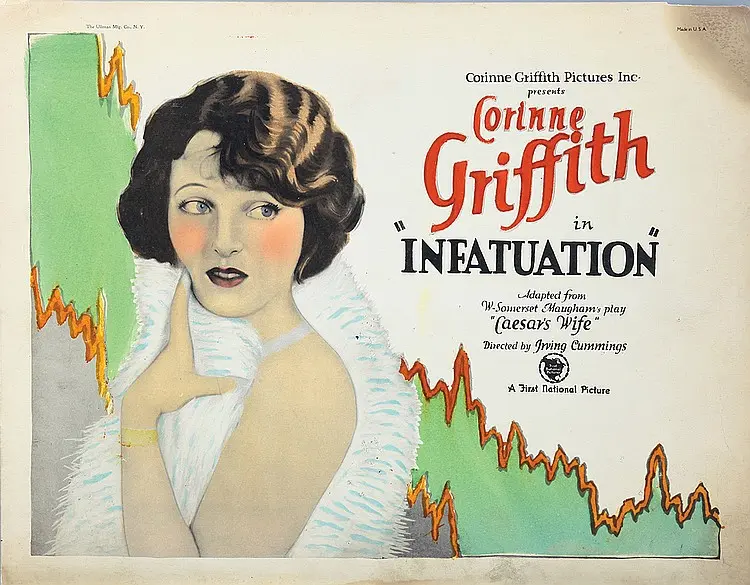
The silent film era was a hotbed of creative experimentation, and Infatuation (1925) stands as a testament to the enduring power of cinematic storytelling. Based on the works of W. Somerset Maugham, this gripping drama weaves a complex tale of love, duty, and deception set against the backdrop of Cairo's vibrant streets.
Malcolm McGregor stars as Sir Arthur Little, a man whose life is forever changed by his marriage to the captivating Violet Bancroft, played by Leota Lorraine. Their union is short-lived, as Arthur is soon dispatched on a military mission, leaving Violet to navigate the treacherous landscape of her own desires.
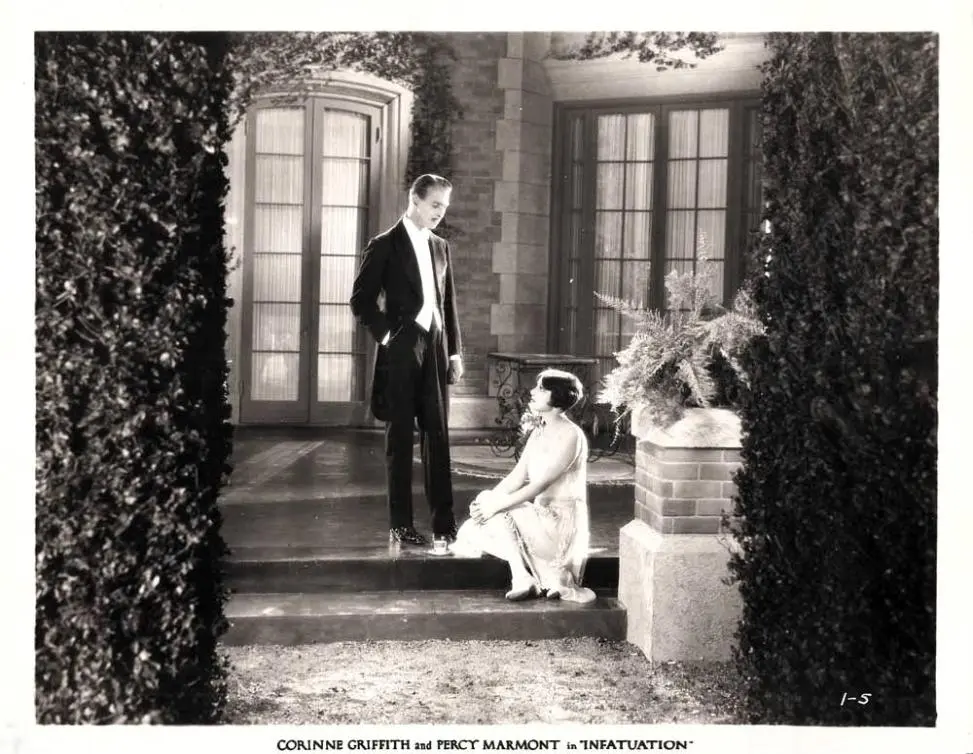
As Violet finds solace in the charming young Ronald Perry, played by Warner Oland, a forbidden romance blossoms. Their clandestine affair is fraught with danger, and Violet, aware of the untenable nature of her position, confesses her infatuation to Arthur. His response is telling: 'Caesar's wife must be above suspicion.' The weight of his words hangs heavy, as Violet is forced to confront the harsh realities of her situation.
The film's themes of love, duty, and deception are expertly intertwined with the intricate plot, which takes a dramatic turn when Violet learns of a plot to assassinate her husband. As she navigates the crowded streets to prevent the tragedy, Violet comes to a profound realization: her feelings for Arthur run far deeper than she initially thought.

This poignant moment marks a turning point in the film, as Violet must now reconcile her emotions with the demands of her position. The performances of the cast, particularly McGregor and Lorraine, bring depth and nuance to the narrative, imbuing the characters with a sense of vulnerability and humanity.
In comparison to other films of the era, such as The Willow Tree and The Winchester Woman, Infatuation stands out for its thoughtful exploration of complex themes and its masterful use of cinematic storytelling. The film's use of location shooting in Cairo adds a layer of authenticity to the narrative, transporting the viewer to a bygone era.

One of the most striking aspects of Infatuation is its thoughtful pacing. The film's director takes a measured approach, allowing the narrative to unfold at a deliberate pace. This enables the viewer to fully absorb the complexities of the story, becoming invested in the characters and their plights.
The cinematography is equally impressive, with the vibrant streets of Cairo providing a stunning backdrop to the drama. The use of lighting and shadow adds a layer of depth to the narrative, underscoring the themes of love, duty, and deception.
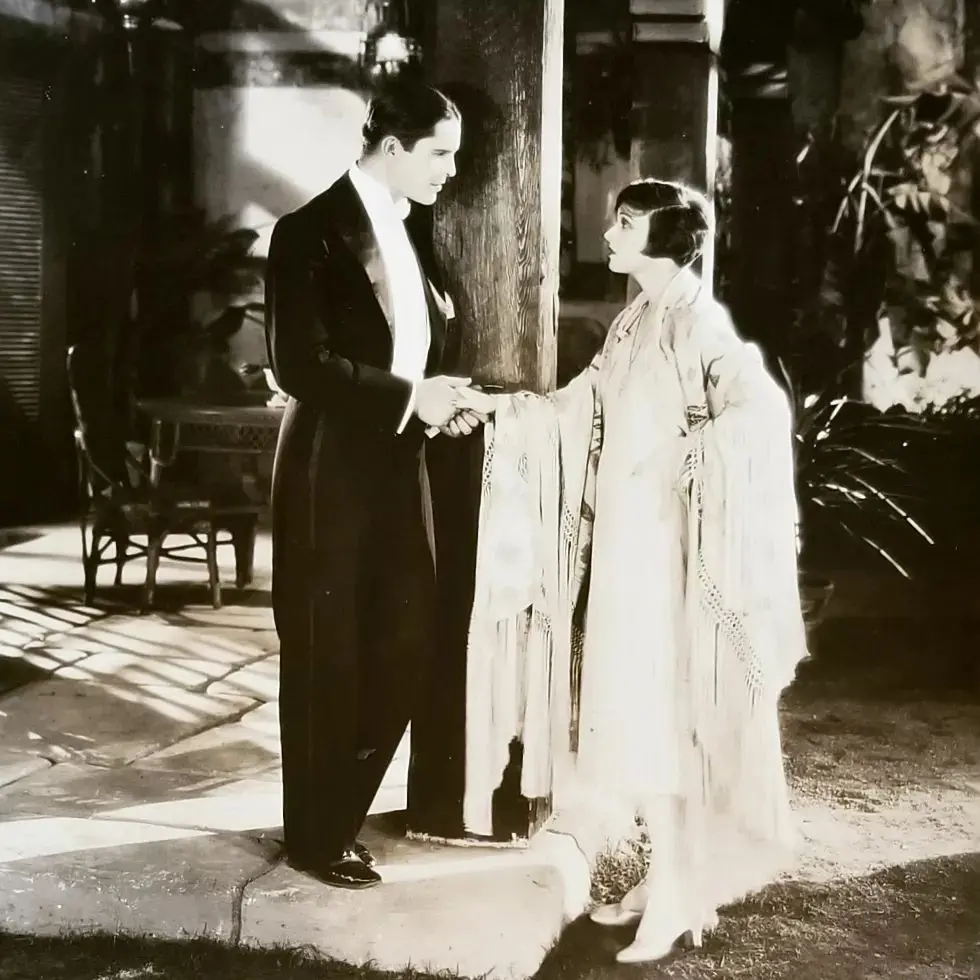
While Infatuation may not be as well-known as some of its contemporaries, such as Blutschande or Should William Tell?, it is a hidden gem that deserves recognition. The film's exploration of complex themes, coupled with its masterful storytelling, make it a must-see for fans of silent cinema.
In the context of the era, Infatuation can be seen as a precursor to later films that explored similar themes, such as Atonement and I Will Repay. Its influence can also be seen in films like The Riddle Rider and A Pair of Hellions, which share similar elements of drama and deception.
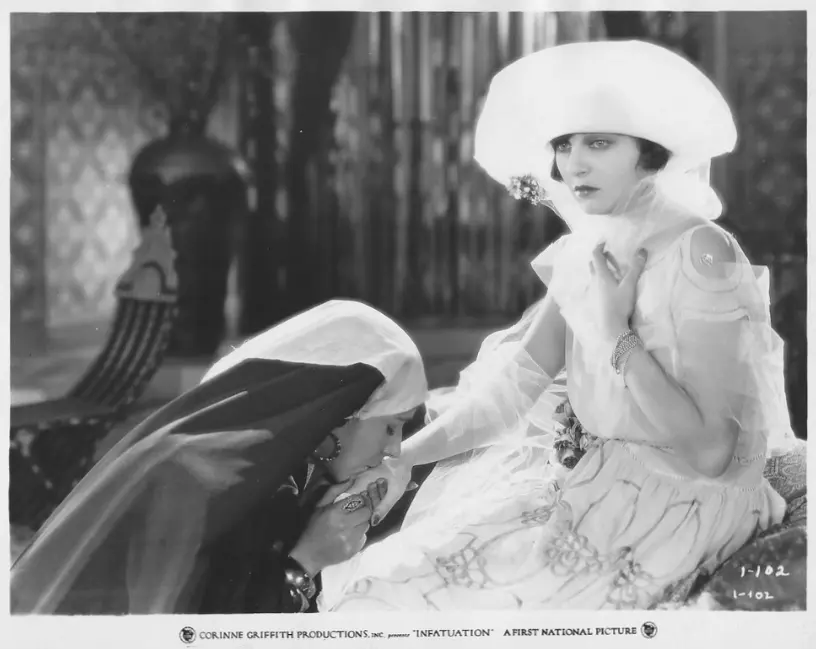
The performances of the cast are a major highlight of the film. McGregor and Lorraine bring a sense of chemistry to their scenes, while Oland provides a charming and nuanced portrayal of Ronald Perry. The supporting cast, including Howard Davies and Martha Mattox, add depth and complexity to the narrative.
In conclusion, Infatuation (1925) is a masterful drama that explores the complexities of love, duty, and deception. With its thoughtful pacing, stunning cinematography, and impressive performances, it is a must-see for fans of silent cinema. While it may have been overshadowed by its contemporaries, Infatuation remains a hidden gem that deserves recognition and appreciation.
Ultimately, Infatuation is a film that will leave viewers pondering the complexities of the human heart. Its exploration of love, duty, and deception is both thought-provoking and emotionally resonant, making it a true classic of the silent film era.
IMDb 6.6
1931
Community
Log in to comment.