DbcultAccessing Vault...
Cult Review
Senior Film Conservator
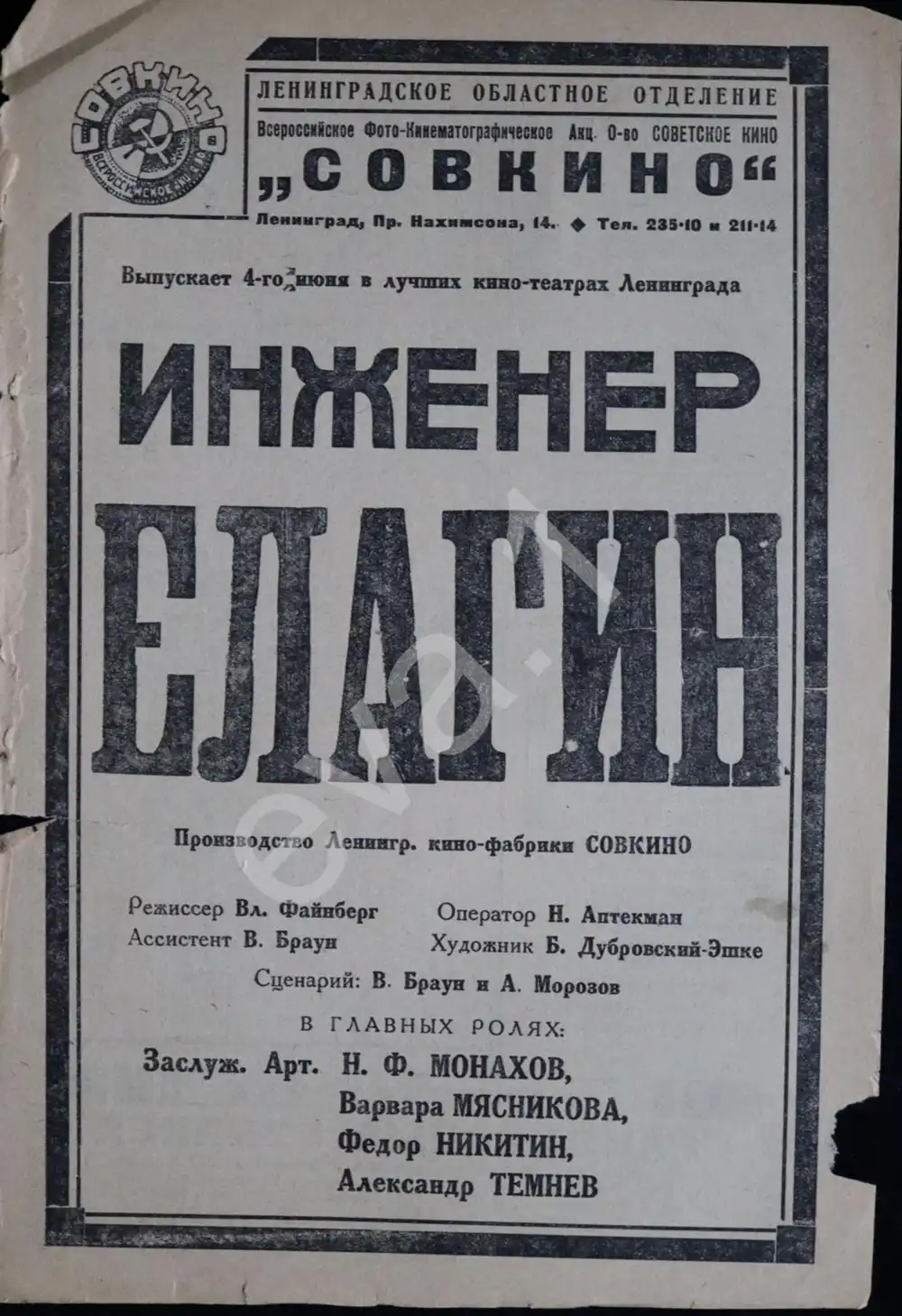
Alright, so you’re thinking about Inzhener Yelagin? 🧐 This isn’t a Sunday afternoon popcorn flick, I’ll tell ya that. If you’re into silent-era Soviet cinema, especially those grand, earnest tales of industrial might and collective spirit, then absolutely, give it a shot. It’s a fascinating window into a very specific moment, both in film and history. But if you’re just looking for a casual watch, or anything resembling modern pacing, you’ll probably find yourself checking your watch. Best to know that going in.
The whole thing centers around Nikolay Monakhov as Yelagin, an engineer with this _big_ idea. Not just a big idea, a **world-changing** big idea for a new power plant or something equally massive. The film really wants you to feel the weight of his vision, the sheer scale of what he’s trying to build for the workers. Monakhov has this intensely focused gaze throughout; you can practically feel him trying to push the project through the screen.
There’s a scene early on where Yelagin is sketching blueprints, and the camera just _lingers_ on his hand, then on the intricate lines. It’s a bit much, honestly, but it gets the point across: this guy lives and breathes this work. You can almost feel the movie trying to convince you this moment matters, like the fate of the nation is in his pencil strokes.
Then comes Aleksandr Temnov’s character, the skeptical old guard. He’s all furrowed brows and dismissive gestures. Every time he’s on screen, you know he’s about to throw a wrench in Yelagin’s plans, literally or figuratively. His skepticism feels a little too on-the-nose, almost like a caricature of the 'old ways' holding back progress. One reaction shot, after Yelagin secures a crucial approval, lingers so long it almost becomes funny; Temnov’s face just twisting into this pure, undiluted envy.
Varvara Myasnikova plays someone who seems to believe in Yelagin, maybe a fellow engineer or a worker leader. She doesn’t have a ton of screen time, but her presence offers this quiet counterpoint to all the male posturing. There’s a brief, almost imperceptible nod she gives Yelagin during a tense meeting. It’s a small thing, but it grounded the scene for me, made it feel a little less like a propaganda piece and more like actual people.
The crowd scenes are where it gets interesting. You get these sweeping shots of workers, all looking very determined and unified. But then, you spot one extra in the background, near a stack of what looks like old barrels, who seems utterly bored. Just staring off into space. It’s a blink-and-you-miss-it detail, but it makes you wonder what was going on off-camera. Were they just tired?
Visually, it’s a lot of strong contrasts. Lots of light and shadow playing across machinery and stern faces. The editing, especially during the montages of construction, is pretty frantic for its time. You get quick cuts of gears turning, steam rising, workers hammering. It’s meant to convey energy and speed, but sometimes it just feels like a lot of disparate images crammed together.
One particular sequence, when a vital piece of machinery arrives, is just... it goes on about 20 seconds too long. The workers are celebrating, hoisting this enormous metal thing, and the camera just keeps rolling. The silence starts to feel awkward rather than emotional, like everyone’s waiting for the director to yell cut. You really get a sense of the sheer physical effort involved, though.
The film doesn't exactly shy away from its message, either. It’s very much about the triumph of the collective, the bright future through hard work. Some of the symbolic shots, like Yelagin standing against a dramatically lit industrial landscape, are a bit heavy-handed. But hey, it was 1928. They weren't exactly subtle back then.
So, is it good? It’s… _significant_. It’s a document. The performances are earnest, if a little theatrical, and the story, while simple, captures that period’s fervent belief in progress. It’s a film that definitely watched its own reflection in the socialist realist mirror. Not for everyone, but if you’re curious about cinema’s early days and how stories were told with such conviction, it’s worth seeking out.
IMDb 7.2
1935
Community
Log in to comment.