DbcultAccessing Vault...
Cult Review
Senior Film Conservator
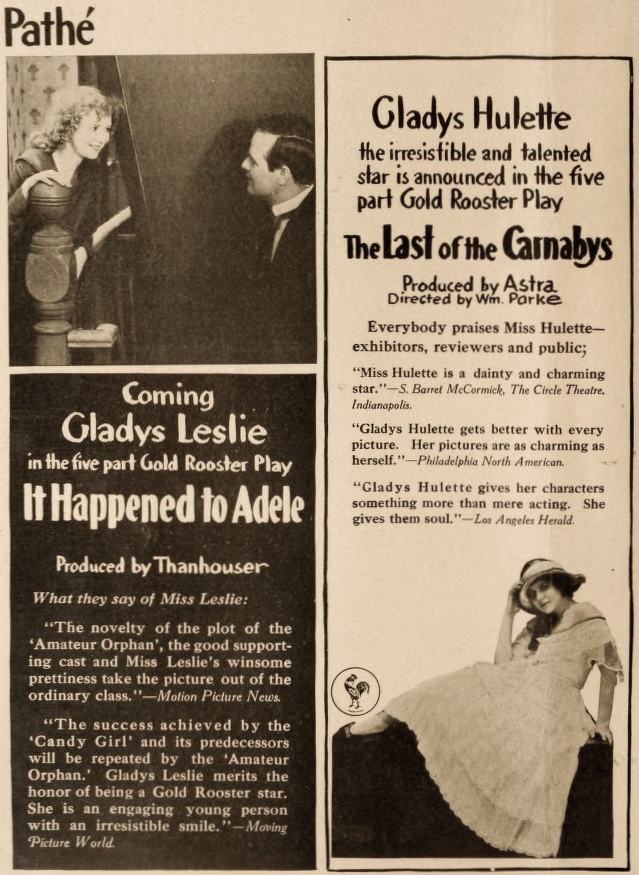
The cinematic tapestry of the early 20th century often wove narratives of aspiration, struggle, and the fickle hand of destiny, and Agnes Christine Johnston's screenplay for It Happened to Adele stands as a particularly potent example of this tradition. This silent drama, featuring the luminous Clarine Seymour in the titular role, delves into the labyrinthine journey of a young woman's rise from obscurity to the footlights, propelled by a potent cocktail of genuine talent, calculated opportunism, and the unpredictable currents of human relationships. It's a film that, even in its broad strokes of plot, promises a nuanced exploration of ambition and the sacrifices it demands, often echoing the grand theatricality of life itself.
Adele, as portrayed by the captivating Clarine Seymour, is introduced not merely as a character, but as an embodiment of fervent yearning. Residing within the prosaic confines of a tenement, her spirit is anything but ordinary. She possesses an innate romanticism, a profound desire to transcend her humble origins and embrace the glamour of the stage. This initial portrayal immediately establishes her as a figure ripe for both triumph and tribulation, a common thread in narratives of the era, much like the struggling characters in Chaplin's The Immigrant, though Adele's aspirations are specifically artistic rather than purely survivalist. Her path to the spotlight is not a straightforward ascent but a series of fortuitous, and often morally ambiguous, interventions.
The catalyst for Adele's initial foray into the theatrical world arrives in the form of Blanche, a character whose past connection to Adele's mother on the stage underscores the cyclical nature of ambition and the enduring allure of performance. Blanche, a figure of seasoned pragmatism, recognizes the raw potential in Adele and orchestrates her first opportunity. This relationship immediately introduces a layer of complexity; is Blanche a benevolent mentor or a shrewd manipulator? The film seems to suggest a blend, highlighting the transactional nature of the entertainment industry even in its nascent forms. This dynamic sets the stage for the moral quandaries that will later define Adele's meteoric rise.
Central to Adele's emotional and artistic development is her encounter with Vincent Harvey, an embryonic opera composer. Charles Emerson, in the role of Vincent, would undoubtedly have conveyed the intense, often self-consuming passion of the artist. For Vincent, Adele becomes not just a romantic interest, but a veritable muse, a wellspring of inspiration for his burgeoning operatic visions. Their connection is depicted as a mutual discovery, a confluence of creative and emotional energies. Adele finds in Vincent a kindred spirit, a reflection of her own romantic ideals, and a conduit to a world of elevated artistry. This initial romance is painted with the vibrant hues of burgeoning passion, suggesting a partnership born of shared artistic fervor.
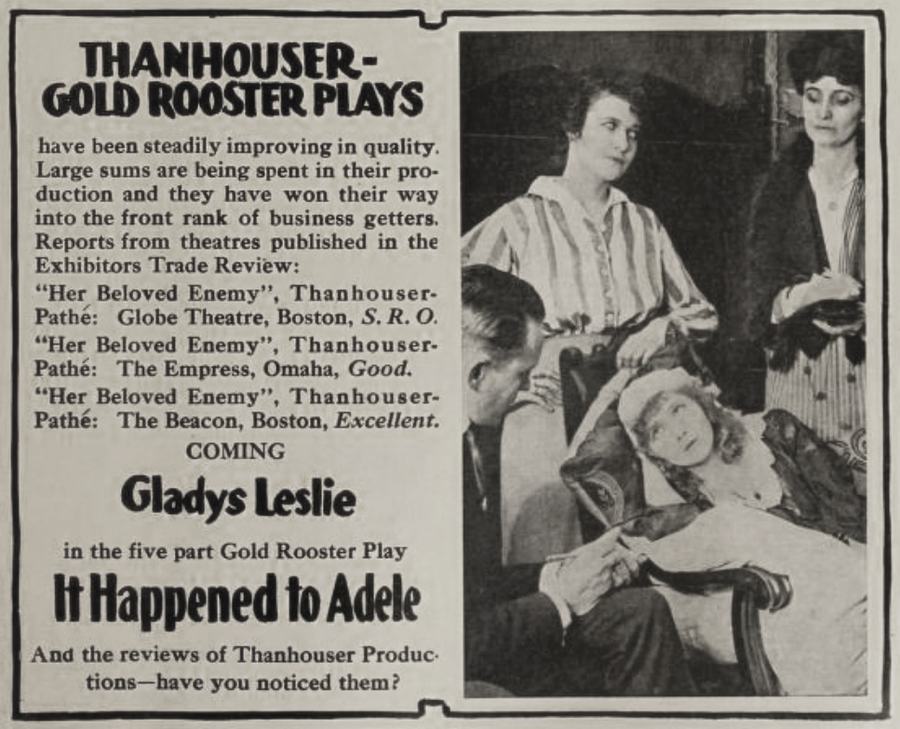
However, the narrative takes a sharp, almost melodramatic turn with the infamous fire escape incident. Adele, practicing her kicks with an almost reckless abandon, dislodges a slipper, which fatefully strikes John W. Horton, played by Justus D. Barnes. The subsequent fall, broken by an awning, is not merely an accident but a pivotal moment, masterfully exploited by Blanche. Peggy Burke's portrayal of Blanche would lend itself perfectly to this scene of quick-thinking deceit. Instead of simply reporting the accident, Blanche, with a stroke of cynical genius, spins the event into a sensational tale: a desperate chorus girl's suicide attempt. This manufactured tragedy, as the plot reveals, catapults Adele into the public consciousness, a testament to the burgeoning power of media and the public's insatiable appetite for drama. It's a stark commentary on how fame can be forged not from talent alone, but from carefully curated narratives, a theme that resonates even today.
The incident brings Adele not only notoriety but also an unexpected patron in Horton. His offer of friendship, a seemingly benign gesture, underscores the transactional nature of her newfound fame. Horton represents the world of establishment and influence, a stark contrast to Adele's bohemian origins. His character, likely depicted with a blend of paternal concern and shrewd business acumen by Barnes, becomes a crucial pivot point in Adele's career. This arc of a benefactor appearing at a crucial juncture is a classic trope, seen in many films of the era where social mobility was a key theme, though It Happened to Adele imbues it with a distinct flavor of orchestrated destiny.
Vincent's opera, fueled by his all-consuming passion and Adele's initial inspiration, reaches completion. His request for Adele to present his magnum opus to Horton is an act of profound trust, intertwining their destinies further. Horton's enthusiastic consent to produce the opera validates Vincent's artistic genius, confirming the power of his creation. The opera's success is a triumph not just for Vincent, but for Adele, who has been instrumental in its journey. Yet, this artistic victory comes at a profound personal cost. Vincent, in his single-minded pursuit of creative perfection, becomes utterly absorbed, his emotional landscape shrinking to encompass only his music. He forgets everything, even Adele, the very muse who ignited his spark. This tragic flaw, the artist's devotion to their craft at the expense of human connection, is a powerful and timeless motif.
The fragility of Vincent and Adele's romance is brutally exposed by Mary, Vincent's uncle's adopted daughter, likely played with a quiet intensity by Gladys Leslie. Mary's visit to Adele is a moment of stark revelation, a confrontation that shatters Adele's romantic illusions. Mary's words are a chilling prophecy: Vincent belongs to her, and anyone who marries him must contend with a disposition utterly devoted to his music and himself. This psychological insight into the artist's psyche is remarkably prescient for a silent film, delving into the complexities of human motivation beyond simple hero-villain archetypes. Adele's initial disbelief gradually gives way to a painful understanding as she observes Vincent's emotional detachment, finding him wanting in the very human connection she once cherished. This narrative arc, focusing on disillusionment, provides a powerful counterpoint to the earlier romantic idealism.
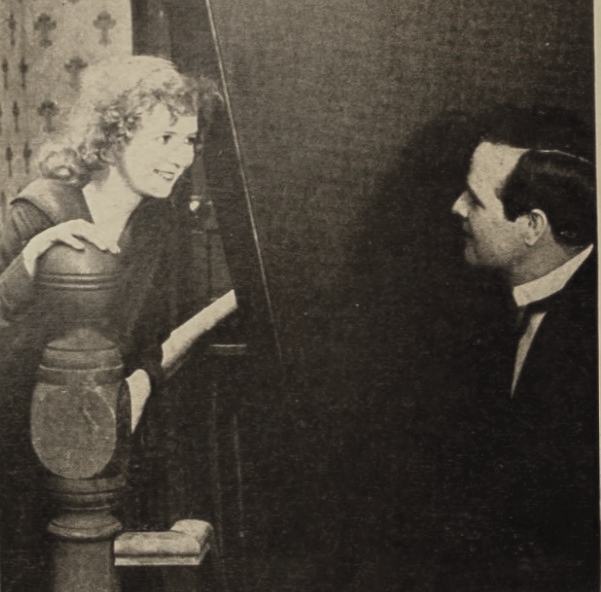
The dramatic climax of the film unfolds with the accidental outbreak of a fire. This conflagration serves as a crucible, testing the true nature of Vincent's affections. His immediate, instinctive reaction speaks volumes: he remembers his opera, still on Adele's table, and rushes into the flames, paying no heed to Adele's safety, prioritizing his artistic creation above all else. This scene, undoubtedly rendered with stark visual power in a silent film, would have been a devastating blow to Adele, confirming Mary's earlier warnings with brutal clarity. It is a moment of profound psychological insight, revealing the artist's ultimate idolatry of his own work, a theme explored in various forms across cinematic history, sometimes even in melodramas like The Silence of Dean Maitland, though with different motivations.
Simultaneously, Horton, on the cusp of embarking on a polar expedition – a seemingly whimsical detail that adds to the film's dramatic flair – is unexpectedly intercepted by Blanche. Her motives for persuading him to return are left tantalizingly ambiguous, adding another layer of intrigue to her already complex character. Is it genuine concern for Adele, or another calculated maneuver to solidify her own position or influence? Wayne Arey, as a supporting cast member, would contribute to the ensemble's dramatic weight in such moments. Horton's return to find Adele's house engulfed in flames creates a powerful visual and emotional convergence, leaving the audience to ponder the intertwined fates of these characters amidst the destructive forces of ambition, betrayal, and artistic obsession.
Agnes Christine Johnston's writing for It Happened to Adele showcases a keen understanding of narrative structure and character development. The plot, while possessing elements of melodrama common to the era, transcends mere sensationalism by delving into the psychological depths of its protagonists. Johnston masterfully crafts a story where every twist, every turn, serves to reveal more about the human condition, particularly the often-conflicting desires for love, fame, and creative fulfillment. The progression from Adele's innocent ambition to her encounter with the harsh realities of the stage and the self-absorption of artistic genius is handled with a remarkable degree of sophistication for its time. It’s a testament to her skill that the motivations, even when morally dubious, feel entirely consistent within the established world of the film, much like the intricate urban narratives found in films such as Sins of Great Cities, which similarly explore the moral landscape of a bustling metropolis.
The performances, even in the absence of spoken dialogue, would have been paramount to conveying the intricate emotional landscape of It Happened to Adele. Clarine Seymour, as Adele, would have been tasked with a monumental undertaking: portraying a character who transitions from starry-eyed ingenue to disillusioned lover, all through the power of gesture, expression, and physical presence. Her ability to convey both the initial romantic fervor and the subsequent heartbreak would have been crucial to the film's emotional resonance. Charles Emerson, as Vincent, would need to embody the archetype of the tortured artist, his intensity and single-mindedness manifesting in every frame. The supporting cast, including Peggy Burke as the opportunistic Blanche, Gladys Leslie as the insightful Mary, and Justus D. Barnes as the benevolent yet ultimately peripheral Horton, would each contribute vital layers to this complex narrative tapestry. Their interplay, the subtle glances and dramatic reactions, would be the very language of this silent drama.
Comparing It Happened to Adele to other films of its period reveals both its unique qualities and its participation in broader cinematic trends. While films like Peggy Leads the Way might focus on a young woman's more straightforward journey of self-discovery, Adele's path is fraught with moral compromises and the harsh realities of ambition. The film shares with The Little American a certain dramatic flair and focus on a female protagonist navigating challenging circumstances, but Adele's struggle is more internal, more about the soul's integrity than external conflict. The tragic romantic elements, particularly Vincent's all-consuming devotion to his art, echo the grand narratives of passion and sacrifice found in literature and opera, translating them effectively to the silent screen. The film's exploration of public perception and manufactured fame also positions it as an early commentary on media manipulation, a theme that would only grow in prominence in subsequent decades of filmmaking.
Ultimately, It Happened to Adele emerges as a compelling artifact of early cinema, a film that, through its intricate plot and well-defined characters, offers a profound meditation on the human cost of ambition. It challenges the audience to consider the fine line between passion and obsession, between genuine connection and opportunistic exploitation. The narrative, with its dramatic crescendo and morally ambiguous conclusion, leaves a lasting impression, prompting reflection on the choices we make and the values we prioritize. It is a testament to the power of silent film to convey complex emotional and thematic ideas with striking clarity and enduring impact, a truly original and deeply felt cinematic experience that resonates far beyond its historical context, inviting us to ponder the eternal questions of love, art, and the elusive nature of true happiness.
IMDb 6.3
1920
Community
Log in to comment.