DbcultAccessing Vault...
Cult Review
Senior Film Conservator
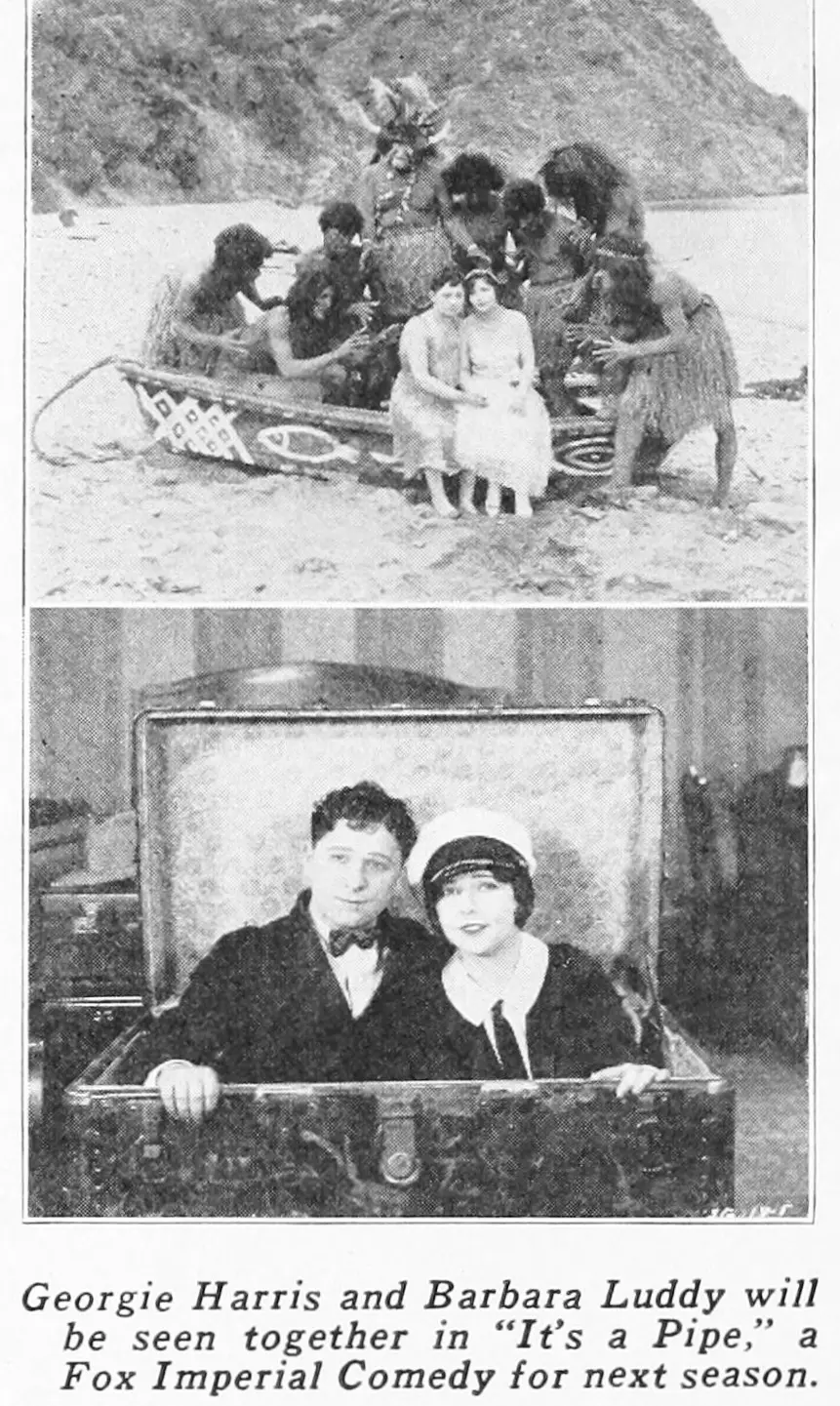
Is It's a Pipe worth your time today? Short answer: No, unless you are an obsessive archivist or a student of the bizarre tropes that defined early 20th-century slapstick. This film is for those who enjoy deconstructing the frantic, often illogical pacing of 1920s short-form cinema, but it is absolutely not for anyone seeking a coherent story or modern sensibilities.
The film exists in a strange pocket of history where the logic of the stage was beginning to clash with the burgeoning possibilities of the camera. It’s a messy, loud (in spirit, if not in sound), and frequently confusing piece of media. It fails as a romance, but succeeds as a fever dream of maritime anxiety and social masquerade.
1) This film works because the physical comedy surrounding the father’s clay pipe provides a consistent, relatable human vice amidst the increasingly absurd plot developments.
2) This film fails because the third-act transition from a shipwreck to a 'cannibal island' is narratively jarring and relies on the most tired, offensive tropes of the era.
3) You should watch it if you want to see a very young Barbara Luddy before she became a legendary voice actress, or if you are interested in the evolution of drag in early American comedy.
For the casual viewer, the answer is a resounding no. The film lacks the timeless physical genius of a Buster Keaton or a Charlie Chaplin, opting instead for a frenetic energy that often feels unearned. However, for the cinema historian, it is a fascinating artifact of how 1926 viewed gender, authority, and the 'exotic' other. It is a relic. It is flawed. But it is undeniably a window into a specific, chaotic mindset of early Hollywood.
The first half of the film is a standard shipboard comedy. We see the familiar dynamic of the overprotective father and the rebellious daughter, a trope used more effectively in films like The Pitfall. What sets this apart is the sheer desperation of Ben Bard’s character, Abie. His decision to stow away is handled with a lightness that ignores the actual stakes of such an action, a common trait in shorts of this era.
The drag sequence in the ladies' salon is where the film finds its pulse. Ben Bard’s performance as a woman is not meant to be convincing; it is meant to be a spectacle of discomfort. There is a specific moment where Abie attempts to mimic the social graces of the other women that feels like a precursor to the more sophisticated gender-bending we would see decades later. It’s clunky, but it’s the only part of the film that feels truly alive.
The father’s obsession with his clay pipe serves as the film’s most successful running gag. It’s a brutally simple bit of characterization. While the world is literally sinking around him, his primary concern remains the small, fragile object of his addiction. This kind of singular focus is what makes silent comedy work, yet here it is often overshadowed by the louder, less effective plot points involving the stowaway.
The transition from the ship to the island is where the film loses its way entirely. The storm sequence itself is a marvel of 1920s practical effects—lots of splashing water and tilting sets that remind us of the physical labor involved in early filmmaking. It’s far more visceral than the staged interiors of Sherlock's Home, yet it leads to a conclusion that is nearly impossible to defend today.
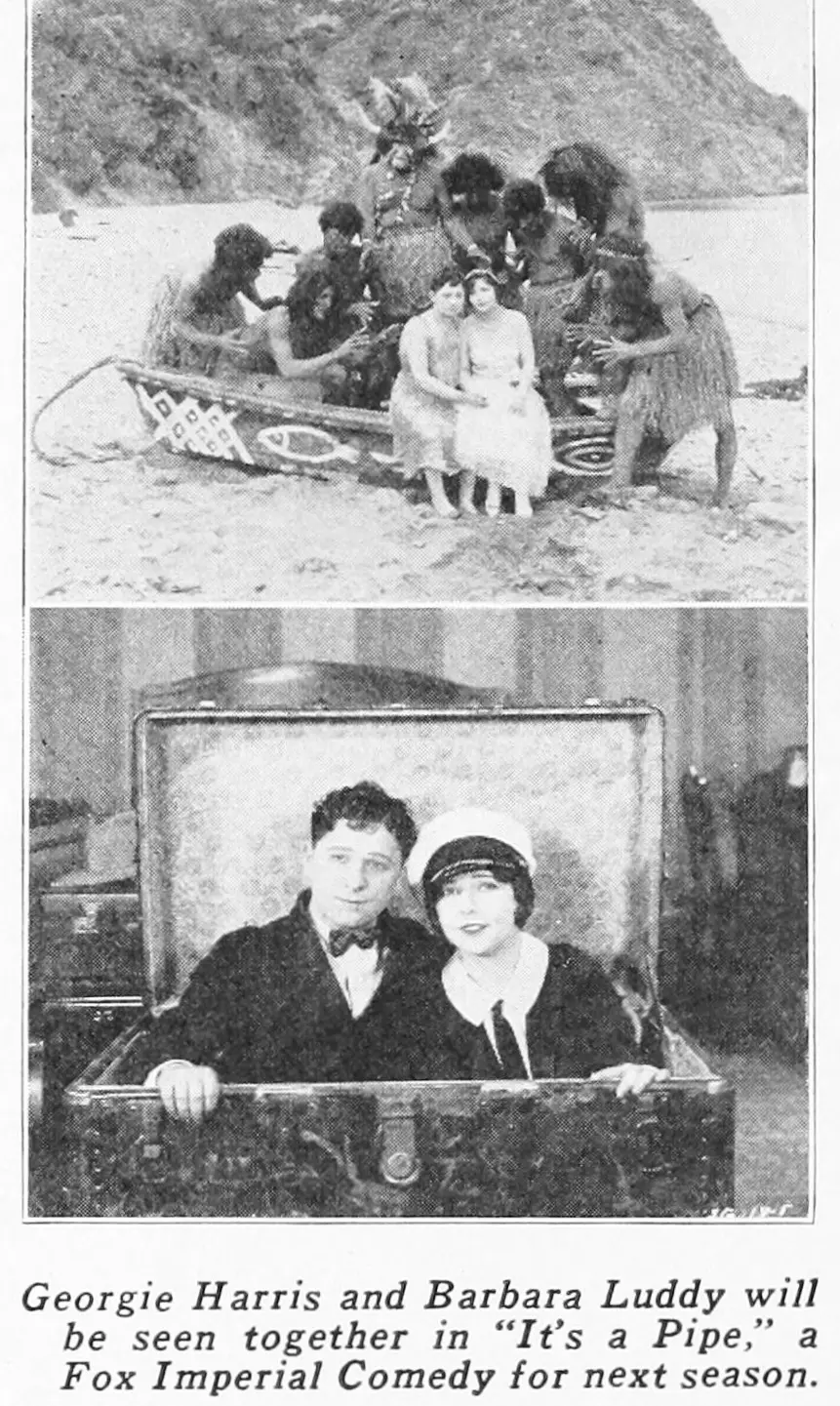
The introduction of the 'cannibal' tribe is a low point for the narrative. It leans into the 'Darkest Africa' tropes that were unfortunately common in films like The Virgin of Stamboul. However, the film takes an unconventional turn when Abie doesn't just survive, but negotiates. The idea of a shipwrecked stowaway talking his way into becoming the 'Mayor' of a desert island is so absurd it almost feels like a critique of American expansionism. Almost.
I would argue that the ending is the most debatable part of the entire film. Is it a happy ending? Abie gets the girl, yes, but he does so by essentially colonizing a group of people and establishing a mock-government. The film treats this as a triumphant joke, but seen through a modern lens, it’s a deeply cynical conclusion to what started as a light comedy about a pipe.
Tony Merlo’s direction is functional but uninspired. He lacks the visual flair found in the works of his contemporaries, often relying on flat medium shots that fail to capture the scale of the Atlantic setting. The pacing is particularly problematic; the film rushes through the shipwreck—the most visually interesting part—to get to the island gags, which are the least interesting.
Barbara Luddy, who would later find immortality as the voice of Lady in Disney's Lady and the Tramp, is largely wasted here. She is the 'prize' to be won, with little agency of her own. Her performance is mostly composed of reaction shots. In contrast, Ben Bard is a whirlwind of energy. His performance is divisive; some will find his constant mugging for the camera charming, while others will find it exhausting. I fall into the latter camp.
The cinematography by the uncredited cameraman manages to capture some decent texture on the clay pipe and the fabrics of the drag costume, but the 'desert island' looks suspiciously like a California beach. It lacks the atmospheric depth seen in Enemies of Women. The lighting is harsh and consistent, which works for comedy but fails to evoke any sense of danger during the sinking of the ship.
Pros:
Cons:
It is worth noting that the name 'Abie' was often used in this era to denote a specific type of Jewish comedic character, popularized by the play 'Abie's Irish Rose'. This film plays with those expectations, placing the character in an Irish-bound vessel. The humor is derived from his 'otherness' in this space, which is then amplified by his transition into drag. This layer of social commentary is likely lost on modern audiences, but it adds a level of complexity to what otherwise seems like a simple farce.
When compared to other films of the period like Daring Love, It's a Pipe feels much more desperate to please. It throws every possible trope at the wall—romance, drag, shipwreck, survival, politics—hoping something will stick. Very little of it does, but the attempt itself is a testament to the experimental, 'anything goes' nature of silent short production.
It's a Pipe is a fascinating failure. It is a film that doesn't know if it wants to be a romantic comedy, a maritime disaster movie, or a political satire. While the physical comedy of the father and his pipe provides some minor chuckles, the film is ultimately weighed down by the baggage of its era. It is a chaotic, messy reel that serves better as a historical footnote than as an evening's entertainment. Watch it for the curiosity, but don't expect to be charmed. It’s a pipe dream that never quite catches fire.

IMDb 6.1
1936
Community
Log in to comment.